
Beautiful Plants For Your Interior
Beautiful Plants For Your Interior
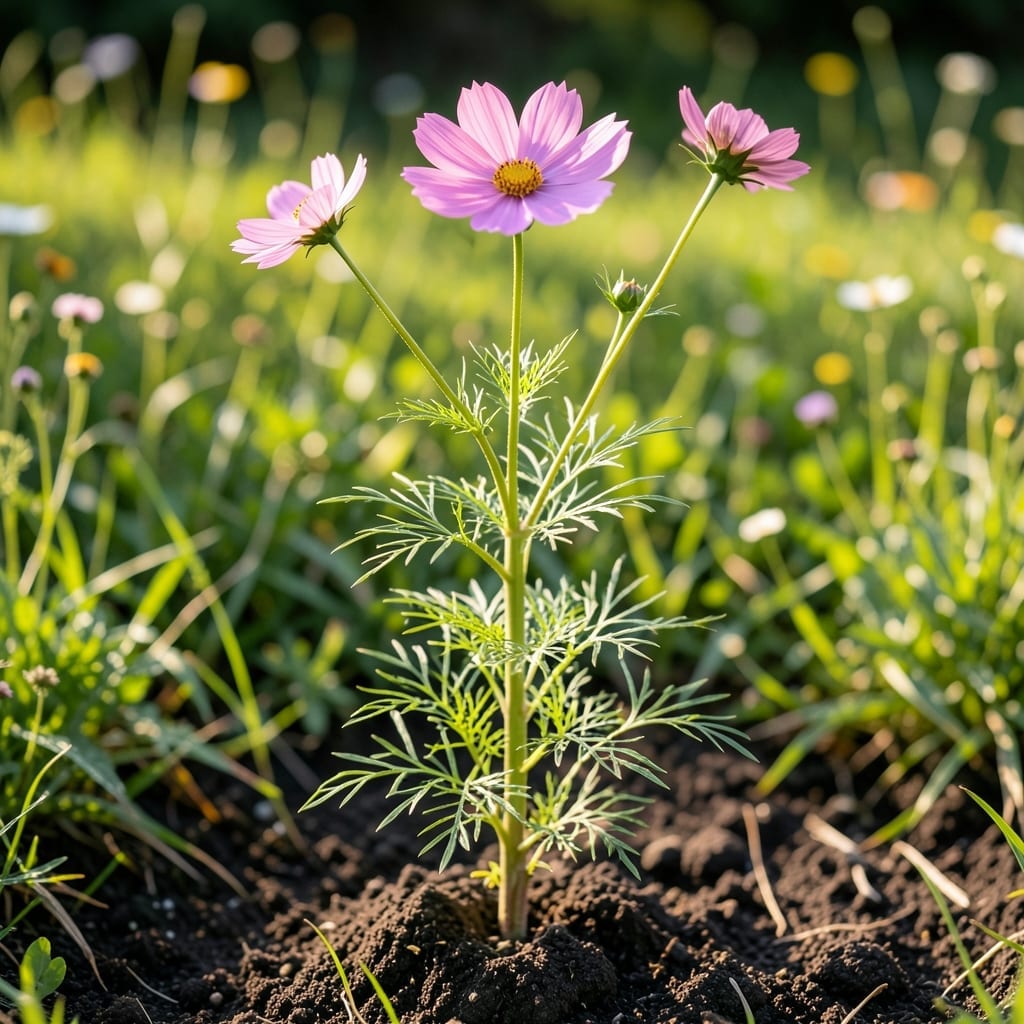
There’s nothing quite like watching your garden burst into color, and Cosmos🌼 are the effortless stars of the show. These cheerful blooms transform any space with their vibrant, daisy-like petals swaying in the breeze.
But here’s the key to their magic: timing. Knowing when they’ll flower lets you plan for months of stunning displays. And the best part? They ask for so little in return.
From seed to spectacular bloom, I’ll show you how to make the most of their easiest growing season. Whether you’re a new gardener or a seasoned pro, these insights will help you keep them thriving.
Discover how to extend their beauty and enjoy a garden that stays vibrant longer. It’s simpler than you might think.
I love how cosmos flowers bring effortless color to gardens. Their flowering season typically spans from early summer through fall frost, offering months of vibrant blooms with minimal care.
In most regions, you can expect first flowers about 60-90 days after sowing seeds. This makes them perfect for gardeners who want long-lasting color without constant maintenance.
| Stage | Timeframe | Key Notes |
|---|---|---|
| Seed Germination | 7-14 days | Keep soil moist |
| Seedling Stage | 3-4 weeks | Thin to 12-18 inches |
| Early Blooming | 60-75 days | First flowers appear |
| Peak Flowering | 75-90 days | Full color display |
In warm climates, cosmos may start blooming as early as late spring. The longer days and warm temperatures trigger their flowering response, giving you an extended season of color.
For cooler regions, the flowering season might begin in mid-summer and continue until the first frost. I’ve found that starting seeds indoors can give these areas a head start.
One of the joys of cosmos is their adaptability. Whether you’re in USDA zone 2 or zone 11, these resilient plants will find a way to bloom. In milder zones, they might even self-seed and return next year.
The growth stages are fascinating to watch. From the first true leaves to the formation of buds, each phase brings anticipation. I recommend marking your calendar when you sow seeds to track progress.
To maximize your cosmos flowering season, choose a sunny location with well-draining soil. These plants thrive on neglect, but they’ll reward you with more blooms if given ideal conditions.
Remember that deadheading spent blooms can encourage more flowers. While not strictly necessary, this simple task can extend your color display by several weeks.
I’ve noticed that cosmos planted in successive batches can provide continuous blooms. Try sowing new seeds every 2-3 weeks for a non-stop show of color from summer to frost.
🌼
I love how cosmos flowers can keep blooming for months with the right care. These daisy-like annuals thrive in warm weather, but a few simple tricks can push their season even longer. Let me share my top strategies for maximizing their vibrant display.
First, deadheading spent blooms encourages new flowers to form. I check my plants weekly and snip off faded blooms just above a leaf node. This prevents seed formation and redirects energy to more blooms.
I’ve found that watering deeply once a week works better than frequent shallow watering. Cosmos are drought-tolerant once established, so overwatering can actually reduce blooming. Always water at the base to keep foliage dry and prevent disease.
A light application of balanced fertilizer every 4-6 weeks during the growing season gives cosmos the boost they need. I avoid heavy feeding, as too much nitrogen can lead to lush foliage but fewer flowers.
For bushier plants with more blooms, pinch back the tips of young cosmos when they’re about 12 inches tall. This encourages branching and results in a fuller plant with more flowering stems.
Finally, ensure your cosmos get at least 6 hours of direct sunlight daily. In hotter climates, they can handle even more. The more sun they receive, the more vibrant and prolonged their flowering season will be. ☀️