
Beautiful Plants For Your Interior
Beautiful Plants For Your Interior
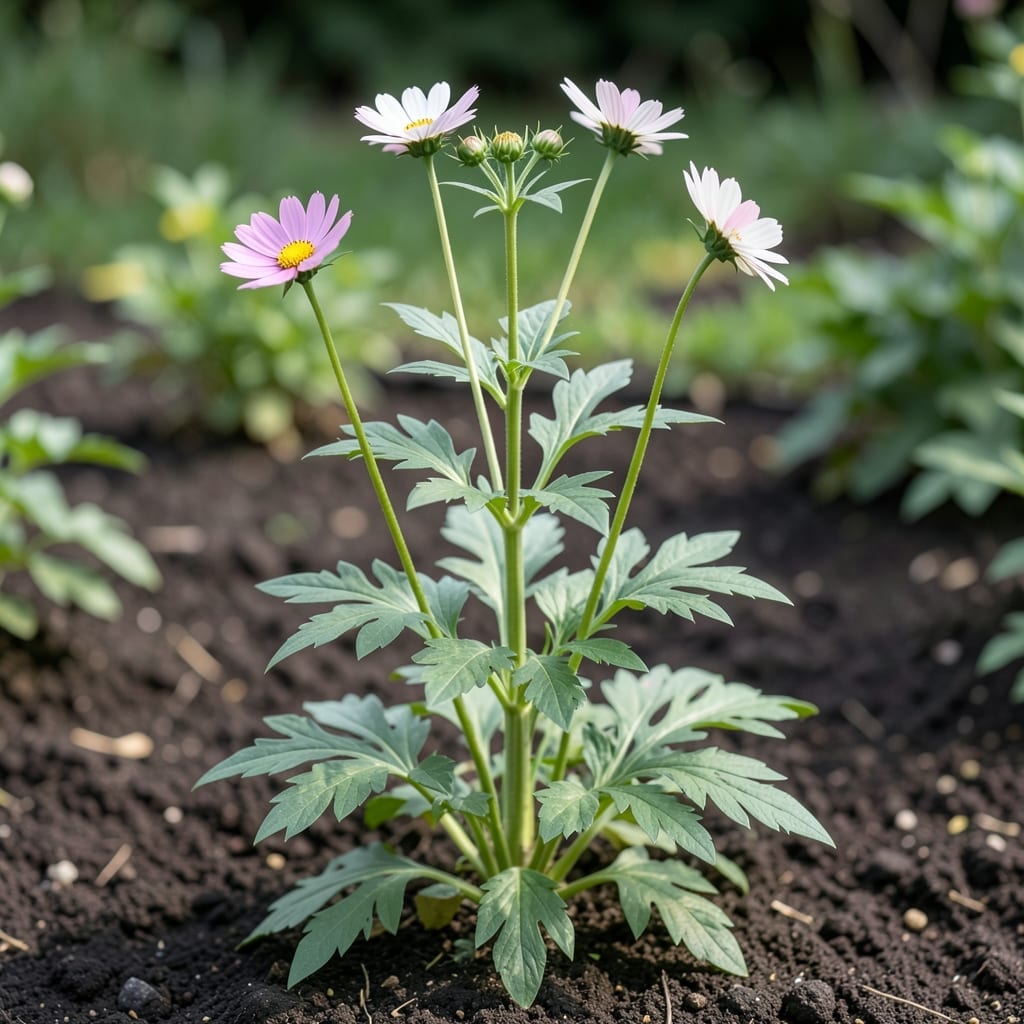
Growing Cosmos from seed is a rewarding experience, but knowing the exact timeline for your chosen variety ensures successful blooms. Whether you’re planting Sensation, Bright Lights, or Seashells, timing is everything.
I’ve learned that understanding these growth periods can make or break your gardening success. With 60 to 120 days to maturity depending on the type, planning becomes easier when you know what to expect.
The 🌼 Cosmos plant thrives in Zone 6, and getting the timing right means you’ll enjoy vibrant flowers from July through September. This knowledge helps you schedule planting and care with precision.
Let me walk you through the specifics of each variety and how to optimize their growth. You’ll discover how to make the most of your garden’s potential with these simple yet effective insights.
If you’re eager to see your garden burst with colorful cosmos blooms, understanding days to maturity is key. I find that most cosmos varieties reach maturity in 60 to 120 days, depending on the type and growing conditions. Sensation cosmos are among the fastest, often blooming in just 60-70 days from seed.
For gardeners who prefer unique flowers, Seashells cosmos take slightly longer, typically 90-100 days. Meanwhile, Bright Lights cosmos fall in the middle, maturing in about 70-80 days. These timelines help me plan my planting schedule for continuous blooms.
| Variety | Days to Maturity | Height | Growth Habit |
|---|---|---|---|
| Sensation | 60-70 days | 2-4 ft | Bushy, upright |
| Bright Lights | 70-80 days | 1-2 ft | Compact |
| Seashells | 90-100 days | 4-6 ft | Tall, airy |
| Double Click | 80-90 days | 2-3 ft | Bushy |
I always recommend checking the seed packet for exact maturity ranges, as some newer hybrids may vary. For example, Cosmos bipinnatus varieties often mature faster than Cosmos sulphureus types, which can take up to 120 days in cooler climates.
In my experience, starting seeds indoors can shave off 10-15 days from the total timeline. This is especially helpful in regions with short growing seasons. Just be sure to harden off seedlings before transplanting them outdoors.
Soil temperature plays a big role too. Cosmos seeds germinate best in soil temps of 70-85°F. If your soil is cooler, germination may be slower, which can delay maturity. I use a soil thermometer to monitor conditions.
Another factor to consider is sunlight exposure. Cosmos thrive in full sun, meaning at least 6-8 hours of direct light daily. Shadier spots can extend the days to maturity by 20-30% or more.
Watering practices also impact growth speed. While cosmos are drought-tolerant once established, consistent moisture during the early stages helps them reach maturity faster. I water my seedlings deeply once a week unless rain provides enough moisture.
Don’t forget about spacing. Crowded plants compete for resources, which can slow growth. I space my cosmos 12-18 inches apart for dwarf varieties and 24-36 inches apart for taller types to ensure optimal air circulation and growth.
By understanding these variety-specific timelines and growing conditions, you can plan your cosmos garden for non-stop color from early summer through fall. I love how these easy-care flowers keep blooming with minimal effort!
🌼
I love how cosmos plants can adapt to different growing conditions. If you want earlier blooms, start seeds indoors 4-6 weeks before the last frost. This gives them a head start in cooler climates.
Row covers can also speed up maturity by protecting young plants from cold snaps. Just remove them once temperatures rise to avoid overheating.
To delay maturity, plant later in spring or choose slower-growing varieties like Seashells cosmos. These take up to 120 days to bloom but offer unique flower forms.
Environmental factors like temperature and daylight also play a role. Cosmos thrive in warm soil (above 60°F) and full sun for fastest growth.
I’ve found that well-draining soil prevents root rot, which can stunt growth. Amend heavy clay with compost for better results.
Finally, proper spacing (12-18 inches apart) ensures good air circulation. Crowded plants compete for resources, slowing maturity.
🌼