
Beautiful Plants For Your Interior
Beautiful Plants For Your Interior
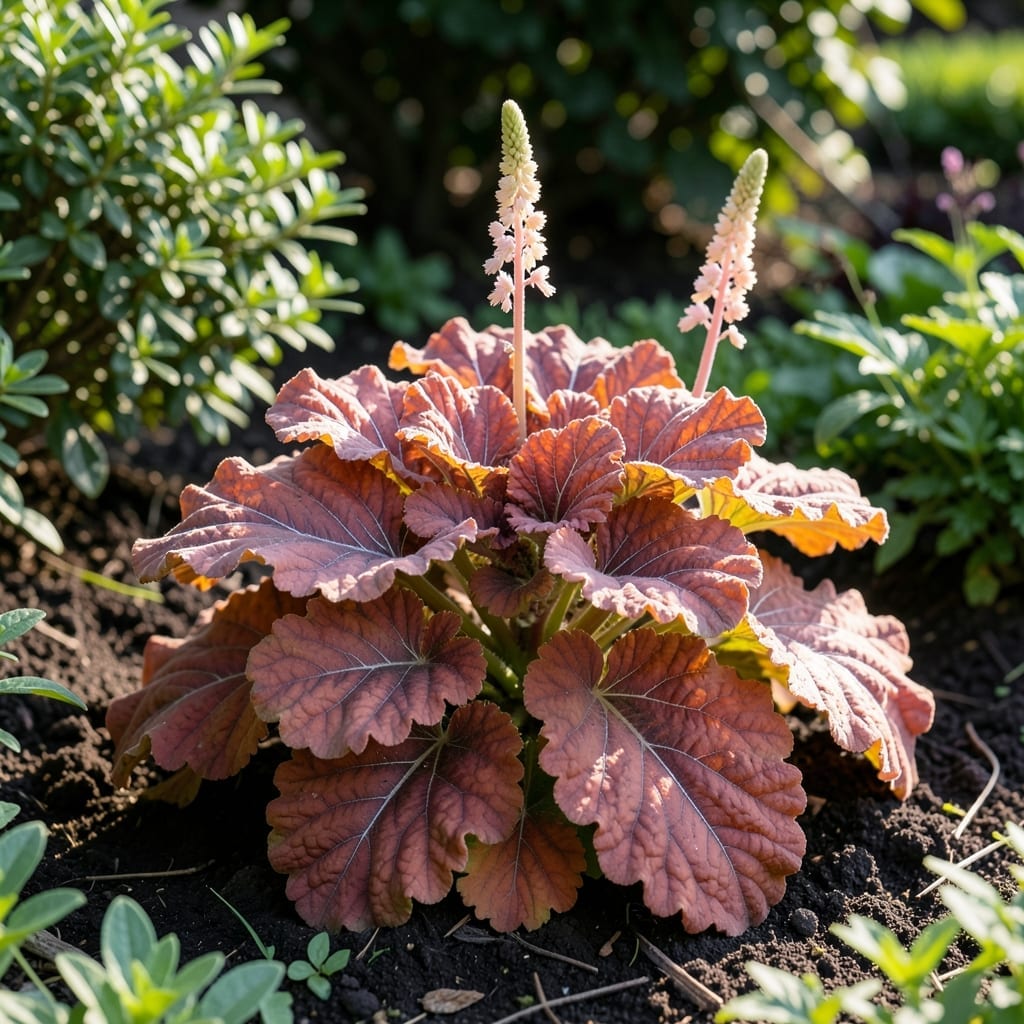
Coral bells 🌸 can transform your garden with their vibrant foliage, but only when given the right amount of sunlight. Too much can scorch their delicate leaves, while too little leaves them looking dull.
As a gardener in zones 4-9, you’ll want to strike that perfect balance for thriving Coral Bells. Their ideal light conditions often surprise even experienced plant lovers.
I’ve learned through trial and error that these beauties prefer partial shade, especially in hotter climates. The good news? You can easily adjust their exposure for healthier growth.
Discover how to give your Coral Bells the light they need to maintain those stunning colors and robust foliage all season long.

If you want your coral bells to display their most vibrant foliage colors, getting the sun exposure right is essential. These Heuchera plants thrive in partial shade, which means they need a balance of light and shade throughout the day.
I’ve found that 4-6 hours of sunlight daily works best, especially if it’s morning sun paired with afternoon shade. This combination prevents leaf scorch while keeping the colors bold and bright. In my garden, east-facing beds are perfect for this setup. ☀️
| Requirement | Specification |
|---|---|
| Ideal Sunlight | 4-6 hours daily |
| Best Sun Type | Morning sun, afternoon shade |
| USDA Zones | 4-9 |
| Light Tolerance | Filtered to partial shade |
| Leaf Color Impact | Brighter with ideal light |
Different coral bells varieties can have slightly different needs. For example, dark-leafed types like ‘Palace Purple’ often handle more sun, while lime-green varieties may prefer a bit more shade to prevent bleaching. I always check the tag when I buy a new plant.
In hotter climates, like USDA zones 8-9, I adjust by providing dappled shade during peak afternoon hours. A shade cloth with 30-40% coverage can be a lifesaver in summer. In cooler areas, like zones 4-5, coral bells can tolerate a bit more direct light.
If you’re growing coral bells in containers, you have more control. I move my potted Heuchera to follow the ideal light conditions. East-facing patios or balconies are perfect spots. Just remember, pots dry out faster, so consistent moisture is key.
One thing I’ve learned is that too much full sun can cause leaf scorching, especially in the hottest part of the day. If you notice brown edges or crispy patches, it’s a sign to provide more shade. On the flip side, too little light can make the foliage lose its intensity.
For best results, pair your coral bells with companion plants that have similar light needs. I love planting them with hostas or astilbes, which also thrive in partial shade. This creates a lush, layered garden with minimal fuss.
Remember, soil quality also plays a role in how well your coral bells handle sunlight. I always amend my soil with organic matter to improve drainage and moisture retention. Well-draining soil helps prevent root rot, which can be a problem in shadier, damp spots.
Finally, don’t forget to mulch around your coral bells. A 2-3 inch layer of organic mulch helps retain soil moisture and keeps roots cool. I use shredded bark or compost, which also adds nutrients as it breaks down. 🌿
Getting coral bells sun requirements right means adapting to your local climate. In hotter USDA zones 7-9, I protect them from harsh afternoon sun with dappled shade or a shade cloth. Cooler climates allow for more direct light.
For northern gardens, I find morning sun works best, while southern gardeners should prioritize filtered light. Container-grown Heuchera can be moved to follow ideal conditions throughout the day.
In desert regions, I’ve seen coral bells thrive under partial shade structures. The key is monitoring leaf color – vibrant hues indicate proper light, while bleached leaves signal too much sun.
For humid areas, ensure good air circulation around plants to prevent fungal issues. I position mine where they get gentle morning light but stay dry in the afternoon.
Remember that microclimates in your garden can create perfect pockets for Heuchera. A north-facing wall or the shadow of a tall shrub might provide just the right amount of protection.
Seasonal changes matter too. I adjust my shade strategies as the sun’s angle shifts, giving plants more light in winter and more protection in summer☀️