
Beautiful Plants For Your Interior
Beautiful Plants For Your Interior
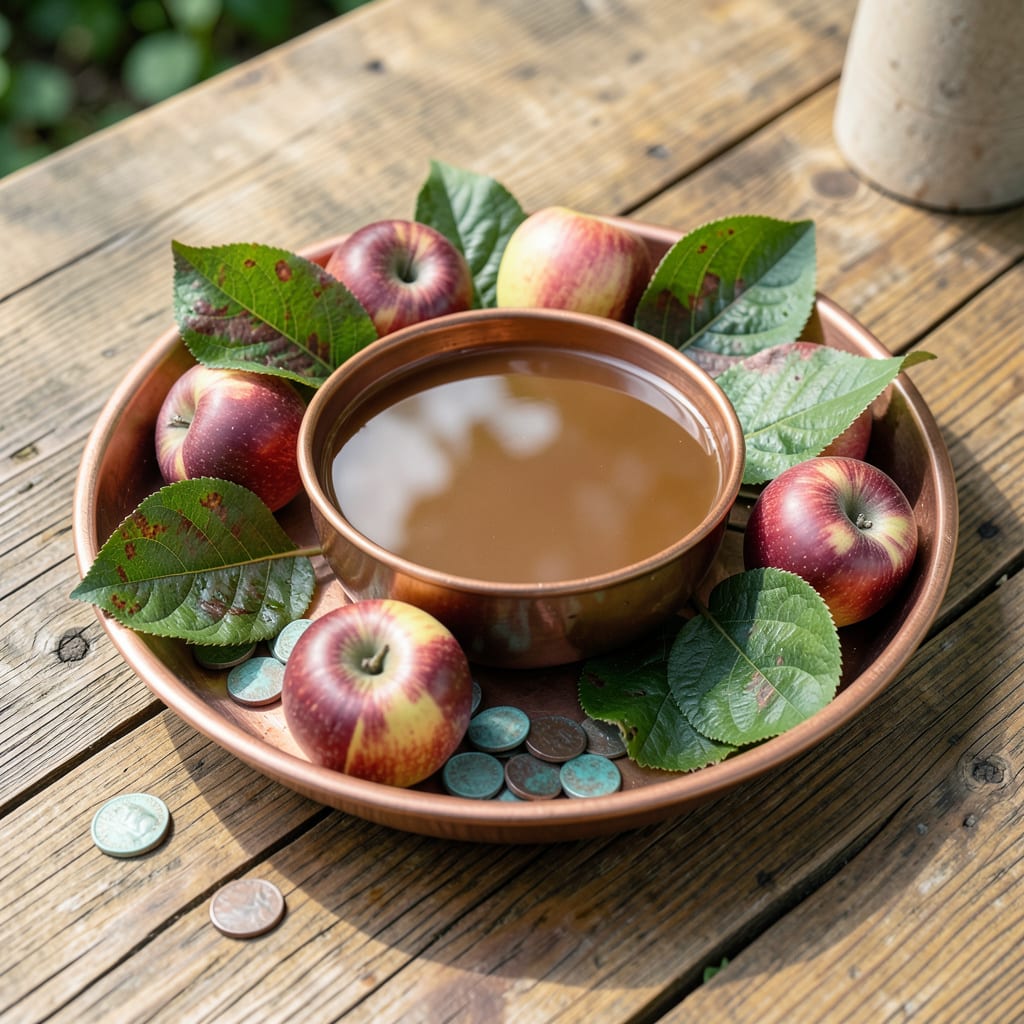
Fire blight hits like a freight train in spring. One day your apple tree looks fine, the next its branches are blackened like they’ve been scorched. I’ve lost entire pear crops to this bacteria before learning how copper can stop it in its tracks.
This isn’t about heavy chemicals—it’s a mineral treatment that creates a protective barrier. Applied at the right time, copper sprays prevent the bacteria from taking hold during vulnerable bloom periods. The key is timing: dormant season and pink bud stage applications.
You’ll see the difference in healthy blossoms that don’t wither overnight. The treatment works on apples, pears, and related ornamentals. Just remember that copper builds up in soil, so follow label rates precisely.
Works for organic gardens too, with proper certification. Here’s how to use it safely and effectively for your orchard.
Fire blight, caused by the bacterium Erwinia amylovora, thrives under specific conditions that weaken orchard trees. Understanding these triggers helps explain why copper sprays are a go-to preventive measure. Below are the primary causes behind this destructive disease.
Fire blight spreads rapidly in temperatures between 65–85°F (18–29°C) with high humidity or rain. These conditions allow bacteria to multiply and enter trees through open blossoms, fresh wounds, or natural openings like stomata. Prolonged moisture keeps surfaces wet, giving the pathogen more time to infect.
Some fruit trees are more vulnerable due to genetics. Apple and pear cultivars like Bartlett, Anjou, or Jonathan are highly susceptible, while others (e.g., Liberty or Moonglow) show resistance. Even resistant varieties can succumb if other stressors—like drought or poor nutrition—weaken their defenses.
Injuries from hail, wind, pruning cuts, or insect feeding create entry points for E. amylovora. Bacteria cling to tools, hands, or contaminated pruning equipment, spreading the disease between trees. Timing matters: Pruning during dormant seasons (late winter) reduces infection risk compared to active growth periods.
Bees, flies, and other pollinators inadvertently transport bacteria from infected blossoms to healthy ones. The more blooms present, the faster the disease spreads. Orchards with dense plantings or overlapping bloom times face higher transmission rates.
Excess nitrogen promotes lush, soft growth—tissue that’s more susceptible to bacterial invasion. Balanced fertilization (prioritizing potassium and phosphorus) strengthens cell walls, making trees less vulnerable. Copper sprays act as a protective barrier, especially during critical growth stages.
Fire blight spreads fast, but copper-based solutions can help control and prevent it. Here’s how to tackle the problem based on its root causes.
Use copper fungicides or bactericides (like Bordeaux mixture or copper sulfate) at the first sign of infection. Spray thoroughly on blossoms, leaves, and stems, especially during damp, warm weather when bacteria thrive. Reapply every 5–7 days during high-risk periods (e.g., blooming season). Prevention tip: Sanitize pruning tools with rubbing alcohol between cuts to avoid spreading bacteria.
Remove diseased wood immediately—cut at least 8–12 inches below visible damage to ensure clean removal. Burn or dispose of infected material away from the orchard. Prevention tip: Thin branches annually to improve airflow, reducing humidity that fuels bacterial growth. Apply copper spray to pruning wounds to seal and protect.
Fire blight loves wet conditions. Avoid overhead watering; use drip irrigation to keep foliage dry. Water early in the day so leaves dry quickly. Prevention tip: Space trees properly for airflow, and mulch to prevent soil splashing onto lower branches, which can spread bacteria.
Healthy trees fight infection better. Fertilize balancedly (avoid excess nitrogen, which promotes tender, susceptible growth). Apply copper as a preventive spray in late dormancy (before buds swell) to create a protective barrier. Prevention tip: Choose fire blight-resistant varieties (e.g., ‘Liberty’ apples) for new plantings.
💡 Pro Tip: Always follow label instructions for copper products—overuse can harm trees or build up toxic levels in soil. Rotate with other bactericides (e.g., streptomycin) if infections persist.
Apply copper spray every 5–7 days during high-risk periods like bloom season. Start in late dormancy and continue through wet, warm weather when bacteria spread most easily.
Overuse can cause copper buildup in soil or leaf burn. Always follow label rates and avoid applying during extreme heat or when trees are water-stressed.
Bordeaux mixture and copper sulfate are most effective. Choose products labeled for bacterial control and rotate with other treatments if infections persist.
