
Beautiful Plants For Your Interior
Beautiful Plants For Your Interior
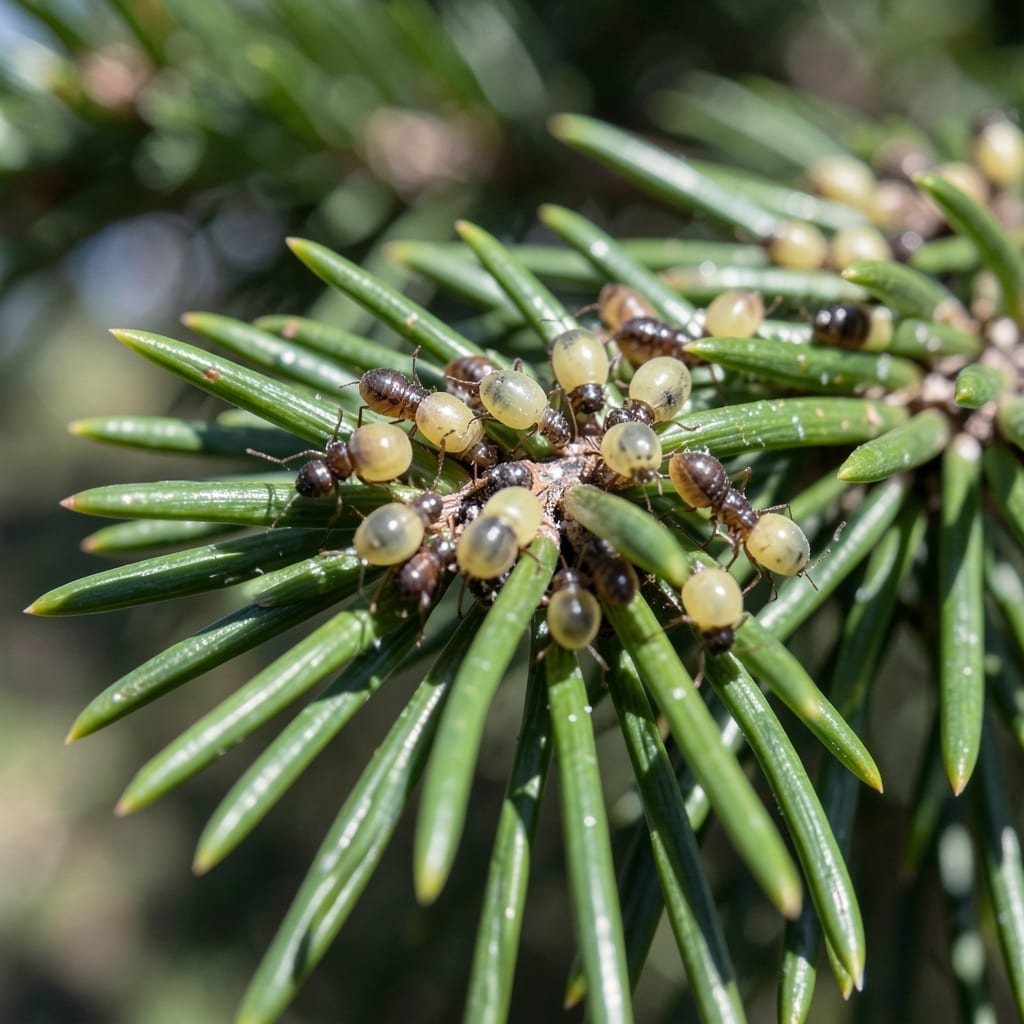
Sticky residue on your conifer needles means trouble. I’ve battled these pests for years and found the most effective solutions don’t involve harsh chemicals.
The key is catching them early before they multiply. A strong blast of water often dislodges the first wave, but for stubborn infestations, you’ll need a targeted approach that protects your trees without harming beneficial insects.
Within 48 hours of treatment, you’ll notice less webbing and fewer aphids. The best part? These methods work for all conifer types, from towering pines to dwarf spruces.
No special equipment required—just a spray bottle and some household ingredients most gardeners already have on hand. Here’s what to do next.
Conifer aphids thrive due to a mix of environmental, biological, and ecological factors. Understanding these root causes helps prevent and manage outbreaks effectively.
Dense conifer stands create ideal conditions for aphids. Limited airflow and high humidity between tightly packed trees reduce natural predator activity (like ladybugs or lacewings) while providing aphids with abundant food and shelter. Thin out plantings to improve ventilation and sunlight penetration.
Excess nitrogen fertilization promotes soft, succulent new growth—aphids’ favorite food. Over-fertilized conifers become aphid magnets. Balance soil nutrients with slow-release, low-nitrogen fertilizers and avoid heavy spring feeding.
Aphids emerge in early spring when conifer buds break and sap flow increases. Warm winters or unseasonably mild temperatures can cause early hatching, leading to larger populations before natural predators arrive. Monitor trees in late winter for signs of activity.
Monoculture landscapes (e.g., only pine or spruce) eliminate natural aphid predators. Introduce companion plants like yarrow, marigolds, or native shrubs to attract beneficial insects that keep aphid numbers in check.
Tackling conifer aphids doesn’t have to be complicated. Start with manual removal—blast them off with a strong jet of water from your garden hose early in the morning. This dislodges the pests without harming your evergreens. For a more targeted approach, use insecticidal soap or neem oil sprays, which are non-toxic and effective against soft-bodied insects like aphids. Mix 1-2 tablespoons of soap or oil per gallon of water and apply directly to the affected areas, ensuring full coverage.
If the aphids persist, introduce natural predators like ladybugs or lacewings. These beneficial insects feed on aphids and can significantly reduce their numbers. For severe cases, consider horticultural oil—apply it during the dormant season to smother overwintering aphid eggs. Always follow the product instructions to avoid damaging your conifers.
Prevent future outbreaks by keeping your evergreens healthy. Prune infected branches to remove aphid hiding spots, and avoid over-fertilizing, which can attract more pests. Regularly inspect your trees, especially the undersides of needles, for early signs of aphids. A little vigilance goes a long way!
💡 Pro Tip: Apply treatments in the early morning or late evening to avoid harming beneficial pollinators like bees.
Apply insecticidal soap or neem oil every 5-7 days until the infestation clears. Reapply after rain or heavy watering. Consistency is key to breaking the aphid life cycle.
Yes, but dilute 1 teaspoon of mild dish soap per 1 quart of water. Avoid soaps with degreasers or additives, as they may harm plant tissues. Test on a small area first.
Neem oil and insecticidal soap are safe for most plants, but avoid spraying in direct sunlight or on delicate blooms. Always rinse off any overspray on nearby flowers or vegetables.
Start treatments in early spring when aphids first appear. Continue through late fall if needed, but avoid applications during extreme heat or freezing temperatures.