
Beautiful Plants For Your Interior
Beautiful Plants For Your Interior
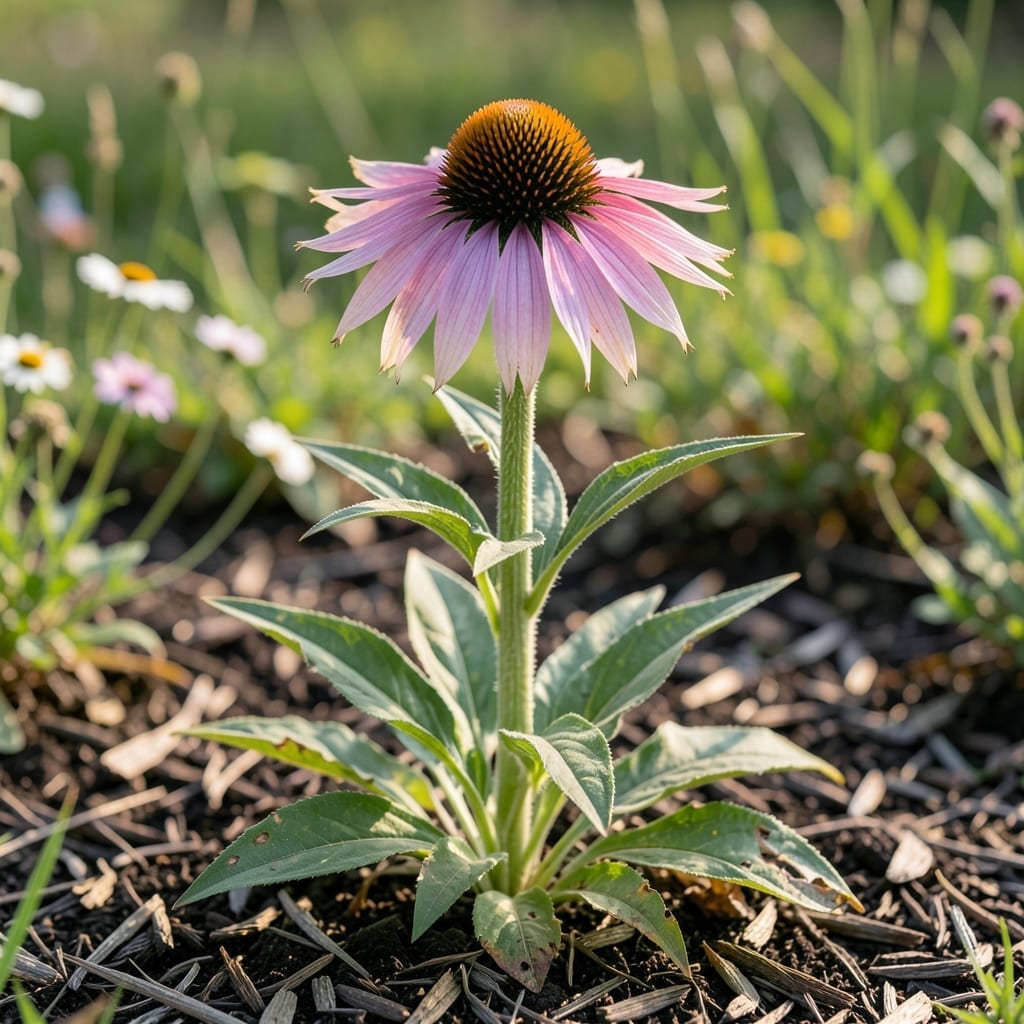
Coneflowers are beloved for their vibrant, daisy-like blooms and hardy nature, but getting their light requirements right is the key to a thriving garden.
Too little sun can lead to weak stems and sparse flowers, while the right exposure ensures robust growth. The 🌼 Coneflower thrives in USDA zones 3-9, making it versatile for many gardeners.
I’ve seen firsthand how proper sunlight transforms these plants. With the right conditions, you’ll enjoy abundant blossoms from summer to fall.
Discover how to optimize light for your coneflowers and watch your garden flourish like never before.

If you want your coneflowers to thrive, 6-8 hours of direct sunlight daily is the sweet spot. These hardy perennials are sun-worshippers, and full sun exposure brings out their vibrant blooms and sturdy stems. I’ve seen firsthand how morning sun paired with afternoon light works wonders for their growth.
In my garden, south-facing beds produce the most robust coneflowers, but east or west exposure can also work if they still get those critical hours. The key is consistency—dappled shade won’t cut it for maximum flowering. Coneflowers in USDA zones 3-9 especially love basking in sunlight.
| Requirement | Specification |
|---|---|
| Ideal Sunlight | 6-8 hours daily |
| Light Type | Direct sunlight |
| Best Window | South-facing |
| Minimum Sun | 4-6 hours (reduced blooms) |
| Shade Tolerance | Low (partial shade OK) |
I’ve noticed that coneflowers in partial shade tend to grow taller and leggier as they stretch for light. While they’ll survive with 4-6 hours of sun, you’ll sacrifice some of those iconic purple, pink, or white blooms. If your garden has shade, prioritize the sunniest spots for these plants.
For gardeners in hotter climates, a bit of afternoon shade can prevent scorching, but don’t overdo it. In cooler regions, maximize sun exposure to ensure strong stems and abundant flowers. I always recommend observing your garden’s light patterns before planting.
If you’re growing coneflowers in containers, place them where they’ll get the most light. Balconies or patios with southern exposure are ideal. Rotate pots occasionally to ensure even light distribution and prevent leaning.
Seasonal adjustments matter too. In early spring or late fall, when days are shorter, your coneflowers might need every bit of sunlight they can get. I make it a point to trim back nearby plants that could cast unwanted shade as the seasons change.
For the best results, plant coneflowers in well-draining soil where they’ll get unobstructed sunlight for most of the day. If you’re unsure about your garden’s light conditions, use a sunlight calculator app to track hours of direct light.
Remember, more sun equals more blooms. While coneflowers are forgiving, they reward gardeners who meet their light needs with longer bloom times and healthier plants. It’s one of the easiest ways to ensure your garden stays vibrant all season long.
☀️In my experience, coneflowers paired with other sun-loving perennials like black-eyed Susans or bee balm create a stunning, low-maintenance display. Just ensure they all share the same light requirements for a harmonious garden bed.
🌼Finally, if you’re dealing with limited sun, consider dwarf coneflower varieties like ‘Kim’s Knee High’ or ‘Little Giant’. They’re more tolerant of partial shade and still pack a punch with their colorful blooms.
🌿If your coneflowers look weak or sparse, they might be begging for more sunlight. The most common sign is leggy stems that stretch toward the light, creating a sparse, floppy appearance. In my garden, this is always the first red flag.
Another telltale sign is fewer blooms or smaller flowers than usual. Coneflowers thrive on sunlight, and without enough, they’ll focus on survival rather than flowering. I’ve seen this happen when plants are tucked in too much shade or crowded by taller neighbors.
⚠️ Watch For These Light Deficiency Signs:
You might also notice pale or yellowing leaves, especially on the lower parts of the plant. This happens because the plant isn’t photosynthesizing enough to maintain healthy foliage. I check my coneflowers weekly for these early warning signs.
Weak growth is another indicator. If your coneflowers seem stunted or slow to establish, they likely need more light. In my experience, moving them to a sunnier spot often revives them within a few weeks.
To fix light issues, start by observing your garden’s sun patterns. Use a sunlight tracker app or simply note where and when sunlight hits. Then, relocate your coneflowers to a spot with 6-8 hours of direct sun daily.
If relocating isn’t an option, prune nearby plants or trees that might be casting shade. In containers, move pots to a sunnier balcony or patio. Remember, even a few extra hours of light can make a big difference in bloom quality.