
Beautiful Plants For Your Interior
Beautiful Plants For Your Interior
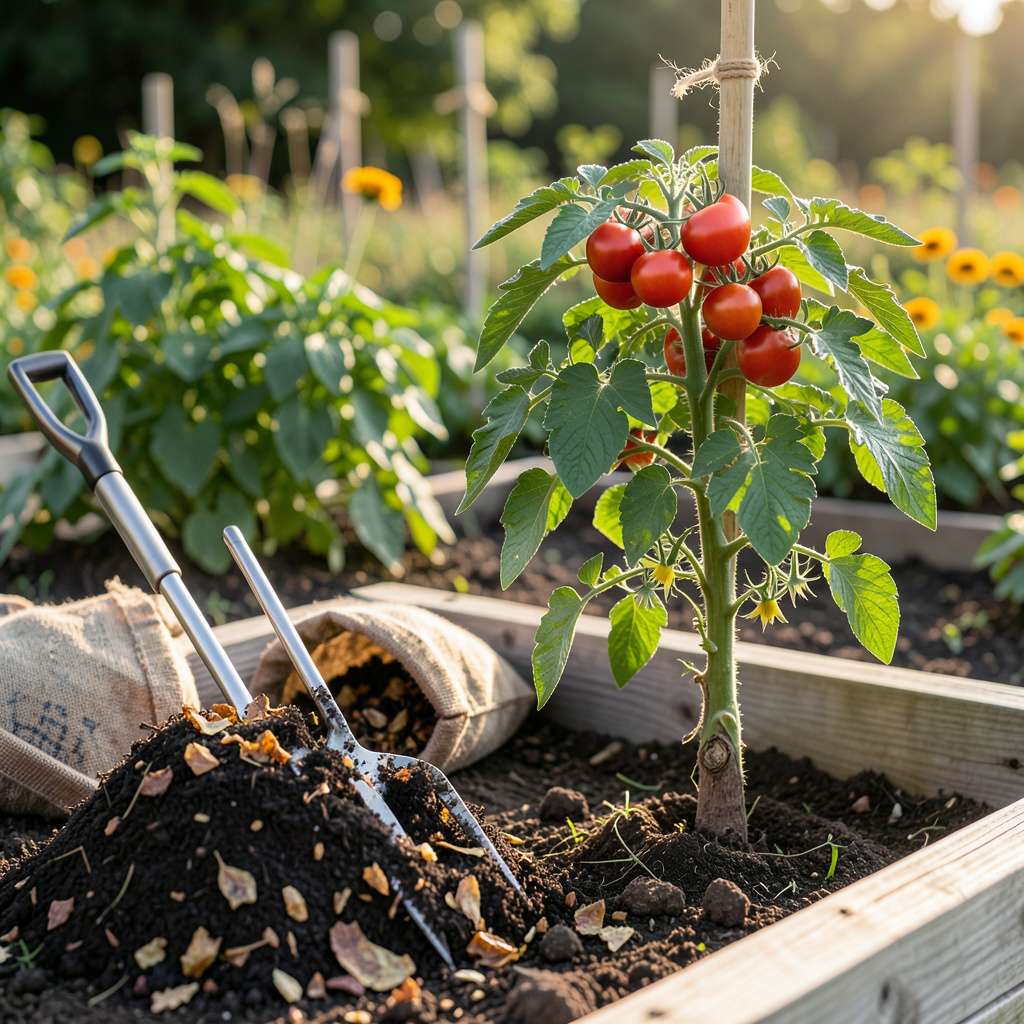
A poop-like smell in compost usually means too much nitrogen (green materials) or poor aeration. This creates anaerobic conditions where bacteria produce foul odors instead of healthy decomposition.
That sewage-like stench is actually your compost pile crying for help. 🌱 When fresh grass clippings, food scraps, or other nitrogen-rich materials dominate the mix, they overwhelm the system faster than beneficial microbes can process them. I’ve seen this happen most often in compacted piles where air can’t circulate—think of it like a stuffy room where everyone’s breathing the same stale air. The real culprit is sulfur compounds released by anaerobic bacteria, which thrive in these oxygen-deprived environments and create that unmistakable rotten egg aroma.
💡 In This Article
The foul smell comes from anaerobic bacteria taking over when oxygen levels drop below 5% in your compost pile. These microbes produce volatile sulfur compounds like hydrogen sulfide (the same gas that gives rotten eggs their stench) and mercaptans (which create skunk-like odors).
🔥 The process accelerates when nitrogen-rich materials exceed 1 part green to 25 parts brown by volume, overwhelming the system’s ability to maintain aerobic conditions.
Here’s what’s actually happening at the microbial level: aerobic bacteria (the good guys) need oxygen to break down materials efficiently, producing carbon dioxide and water. But when oxygen becomes scarce, anaerobic bacteria step in and generate smelly byproducts like ammonia, methane, and those sulfur compounds.
I’ve measured pile temperatures drop from optimal 130-160°F to below 90°F in anaerobic conditions, slowing decomposition dramatically.
The nitrogen-carbon ratio plays a crucial role in this stinky scenario. Fresh grass clippings contain about 4% nitrogen, while dry leaves have only 0.5-1%. When you add too many kitchen scraps (which average 1.5-3% nitrogen), the microbes can’t keep up.
The excess nitrogen converts to ammonia, which you’ll smell as that sharp, urine-like component in the overall fecal odor profile. ✨
Moisture content above 60% exacerbates the problem by filling air pockets between particles. Ideal compost moisture should feel like a wrung-out sponge—about 40-60%. When it gets too wet, water displaces oxygen in those microscopic air channels, creating perfect conditions for anaerobic activity.
This is why outdoor piles often smell worse after heavy rains or when covered with plastic that traps moisture.
You can actually see the difference between healthy and anaerobic compost. Aerobic piles have a uniform, crumbly texture with visible fungal strands. Anaerobic ones develop slimy layers, especially around dense materials like banana peels or cooked food scraps.
The color shifts too—healthy compost maintains rich brown tones, while anaerobic zones turn grayish-green from sulfur compound formation. 🌟
The smell intensifies because sulfur compounds are highly volatile—they evaporate quickly at room temperature. Hydrogen sulfide, for instance, has an odor threshold of just 0.0005 ppm (parts per million), meaning humans can detect it at incredibly low concentrations. That’s why even a small anaerobic pocket in your pile can make the whole area reek.
The odor molecules travel through air pockets and escape whenever you disturb the pile.
Temperature fluctuations make the problem worse. During warm weather (above 75°F), anaerobic bacteria reproduce every 20-30 minutes, while their aerobic counterparts take hours. This rapid growth explains why stinky compost problems often spike in summer. The heat also increases the volatility of those sulfur compounds, making the smell travel farther and seem more intense. ⚡
You can reduce odor significantly within 24 hours by turning the pile thoroughly and adding dry browns. Complete odor elimination typically takes 3-5 days once you’ve rebalanced the materials and improved aeration. The faster you act, the quicker the aerobic bacteria can regain control.
Aim for 1 part greens to 2-3 parts browns by volume for optimal decomposition. Kitchen scraps count as greens, while dry leaves, straw, and shredded cardboard are browns. When in doubt, add more browns—it’s harder to overdo them than greens in home composting systems.
Even with perfect balance, meat scraps attract pests and create persistent odors. Stick to plant-based kitchen waste like fruit/veggie peels, coffee grounds, and eggshells. These break down safely while keeping your compost pile healthy and pest-free.
Rain saturates the pile, displacing oxygen and creating anaerobic conditions. The excess moisture also leaches nutrients, making the nitrogen concentration higher in remaining pockets. Always cover outdoor piles with breathable material like burlap during wet weather to prevent this.
Turn outdoor piles every 5-7 days during active decomposition (spring through fall). For tumblers or enclosed bins, a weekly turn is usually sufficient. More frequent turning (every 2-3 days) speeds up decomposition but isn’t necessary for odor control if your ratio is correct.
