
Beautiful Plants For Your Interior
Beautiful Plants For Your Interior
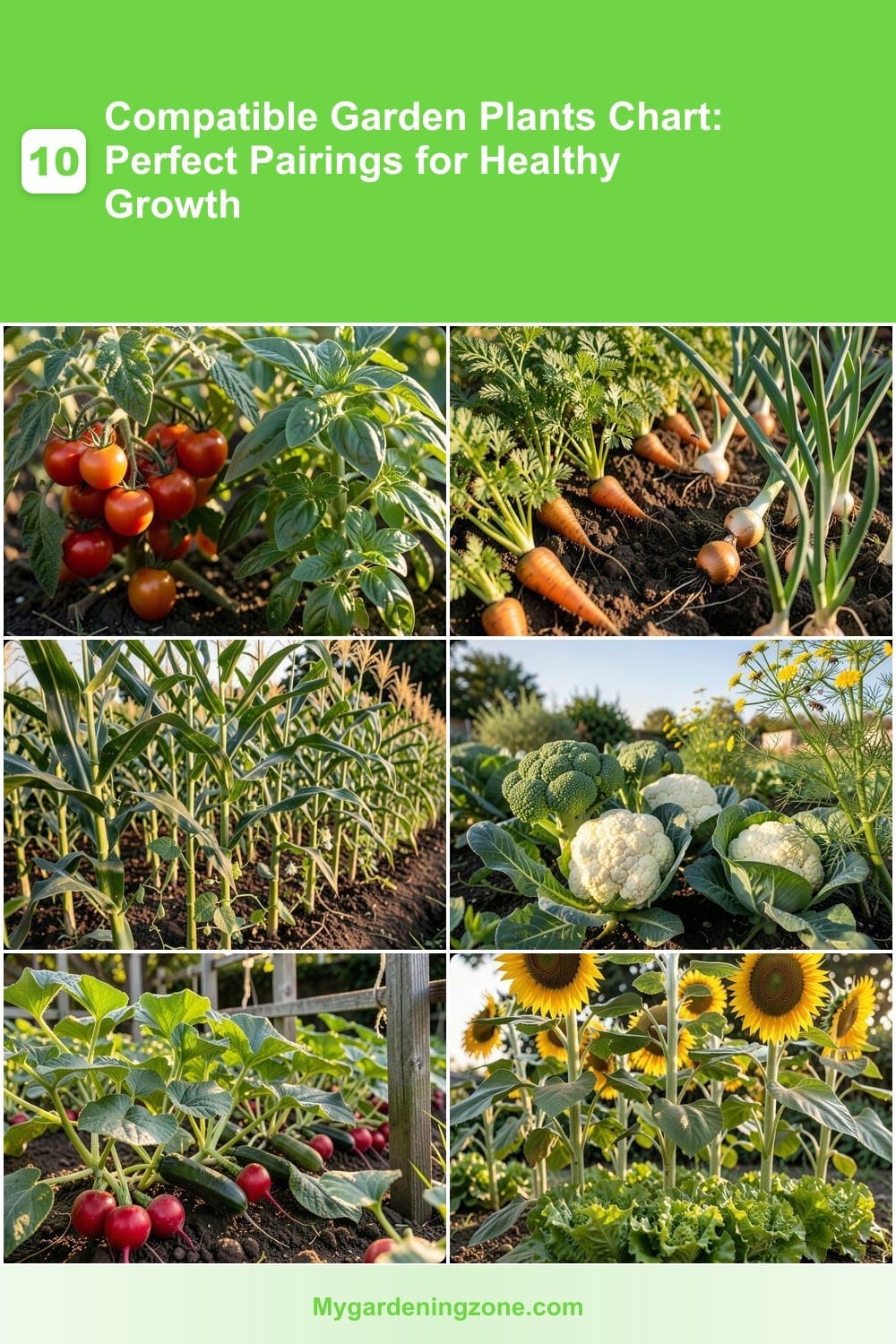
Struggling with garden layout? This compatible garden plants chart reveals 10 perfect plant pairings that boost growth, deter pests, and maximize space. Discover which plants thrive together for a healthier, more productive garden.
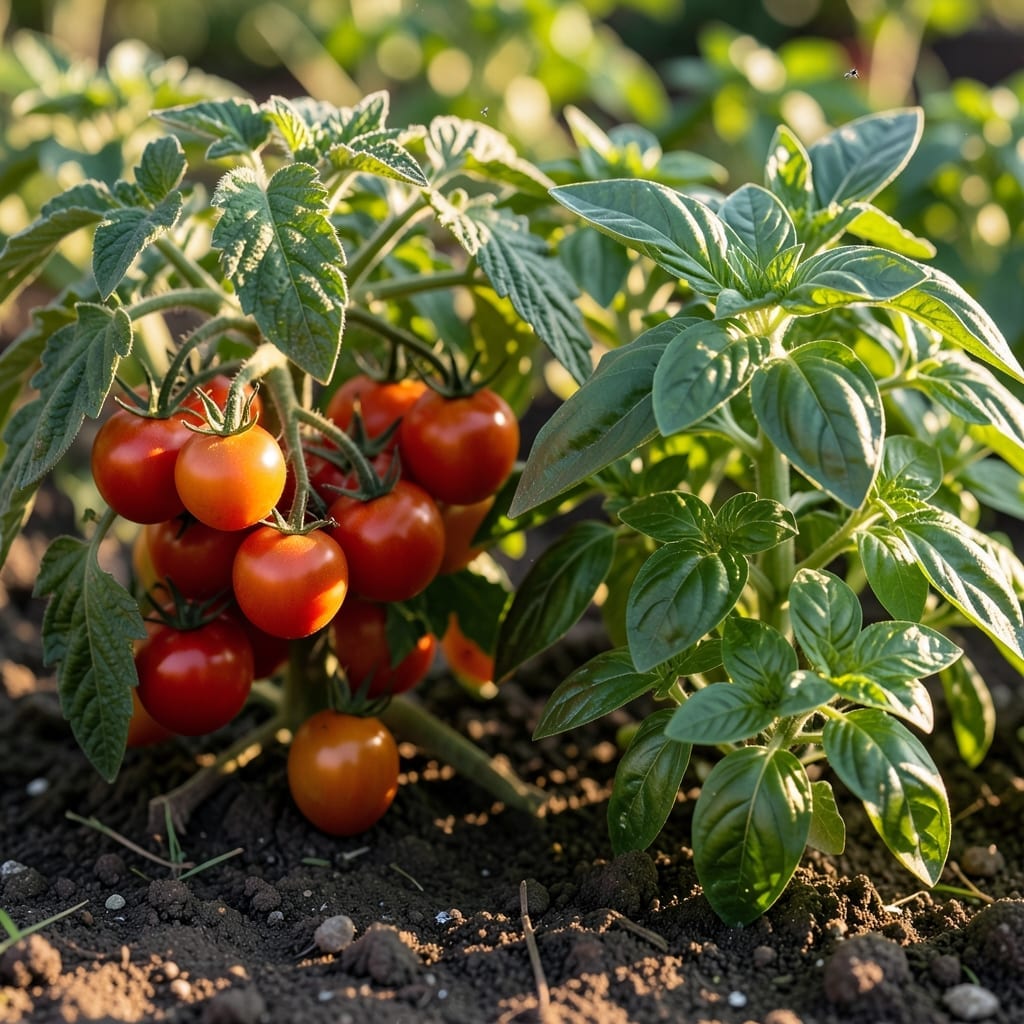
Want a garden pairing that works as hard as you do? Plant basil next to your tomatoes for a match made in the vegetable patch. This classic combo does double duty by protecting your crop while improving its taste.
Basil naturally repels troublesome pests like thrips and whiteflies that love to target tomato plants. At the same time, it enhances the flavor of your tomatoes, giving you more delicious fruit with less effort. This makes it ideal for organic gardeners looking to reduce pesticide use.
Whether you’re a beginner or seasoned gardener, this pairing requires minimal space and offers maximum benefits. Just plant basil 12-18 inches from your tomato stems. 🌱
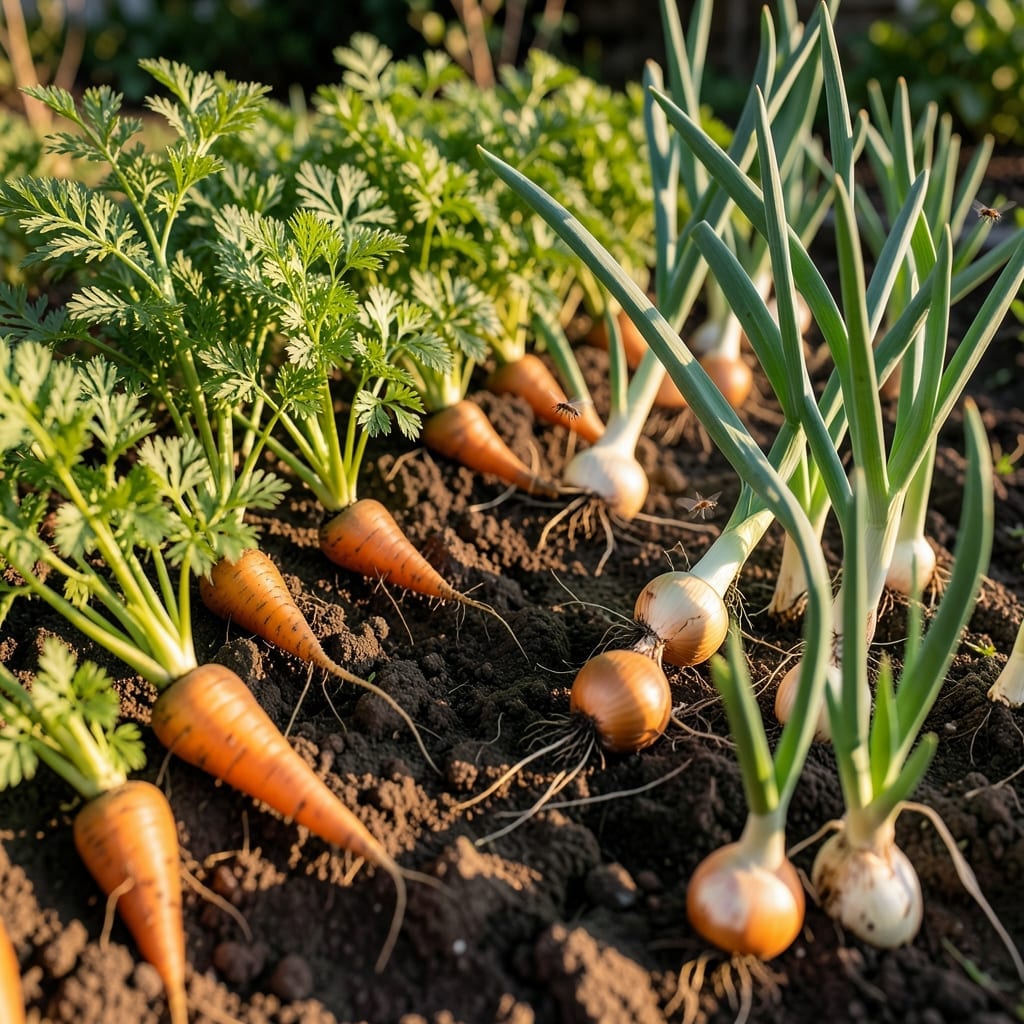
Carrot flies can ruin a root crop, but onions and leeks come to the rescue with their pungent aroma that keeps these pests away. This natural pest control means you can skip harsh chemicals while protecting your harvest.
Meanwhile, carrots act as living soil aerators, breaking up compacted earth so shallow-rooted alliums can spread easily. Plant them together in well-draining soil for a win-win: healthier roots above and below ground.
This pairing is perfect for organic gardeners who want to maximize space while keeping both crops thriving. 🌱
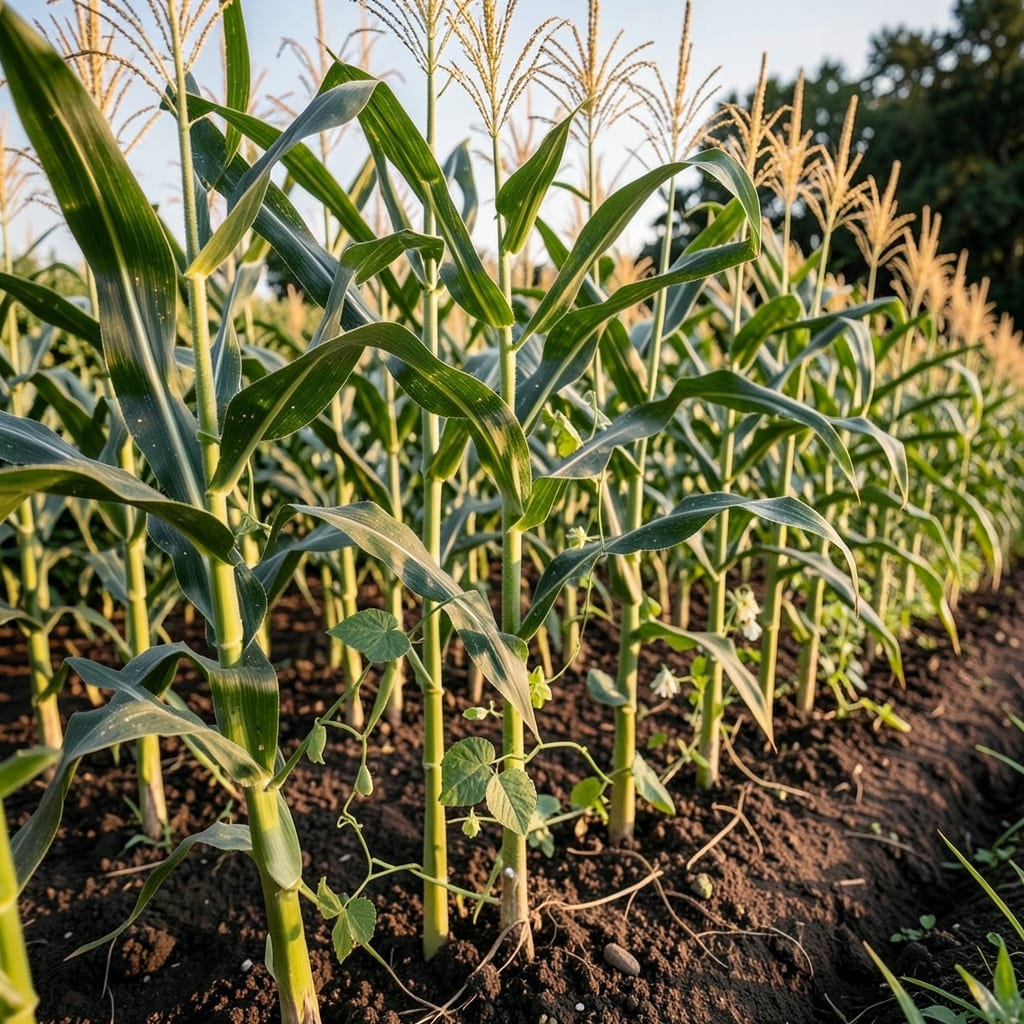
This ancient pairing proves that some of the best gardening wisdom comes from tradition. Pole beans and corn create a perfect partnership that’s been used for centuries in the Native American Three Sisters method.
The beans naturally fix nitrogen in the soil, providing essential nutrients that corn needs to grow tall and strong. Meanwhile, the corn stalks serve as natural trellises, giving the climbing beans support without any additional structures.
This symbiotic relationship is ideal for gardeners who want to maximize space while improving soil fertility naturally. Plant them together and watch your garden thrive. 🌱
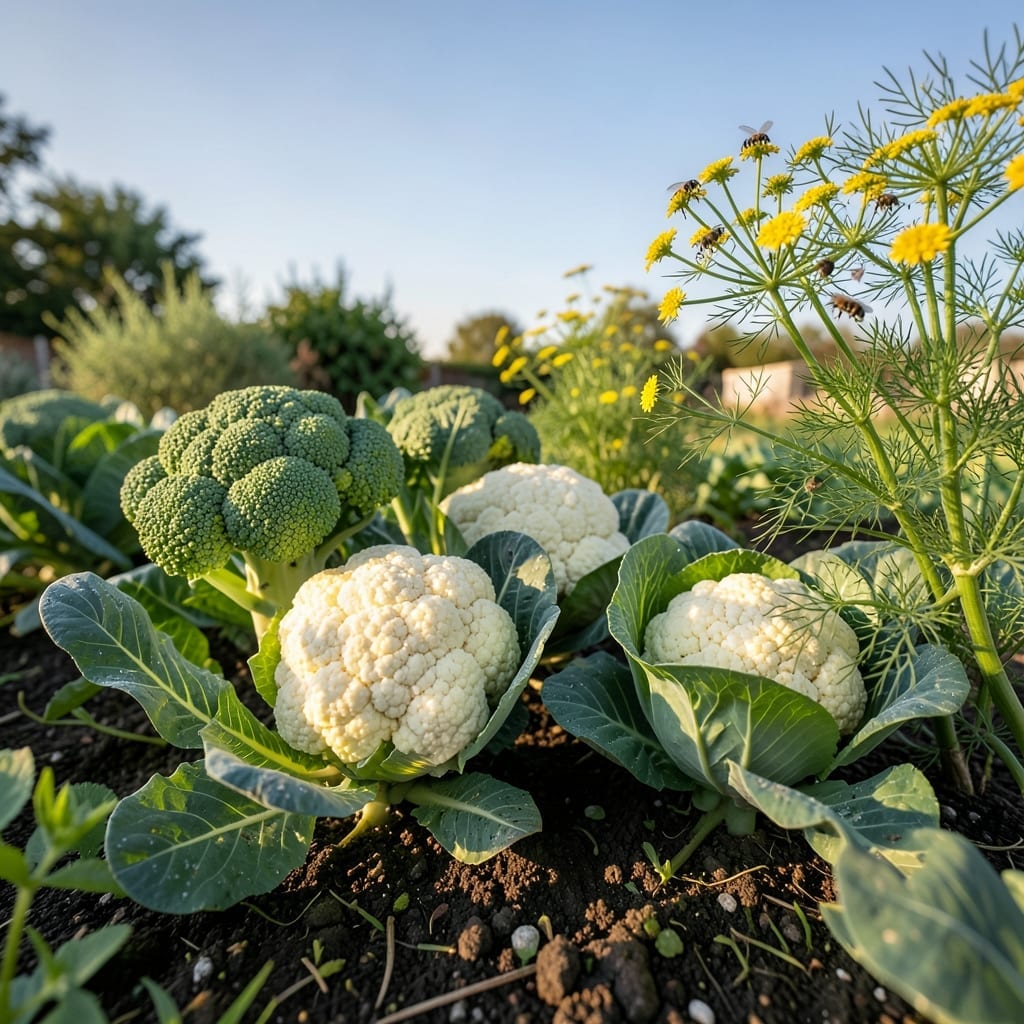
Tired of cabbage worms turning your broccoli, cauliflower, and cabbage into a buffet? Plant dill nearby to call in reinforcements.
Dill’s tiny flowers attract beneficial wasps that naturally control cabbage worm populations, protecting your brassicas without chemicals. These wasps also pollinate while they work, giving you a double benefit for your garden’s ecosystem.
This pairing is perfect for organic gardeners and those looking to reduce pest damage naturally. The dill even enhances the flavor of your cabbage family plants. 🌱
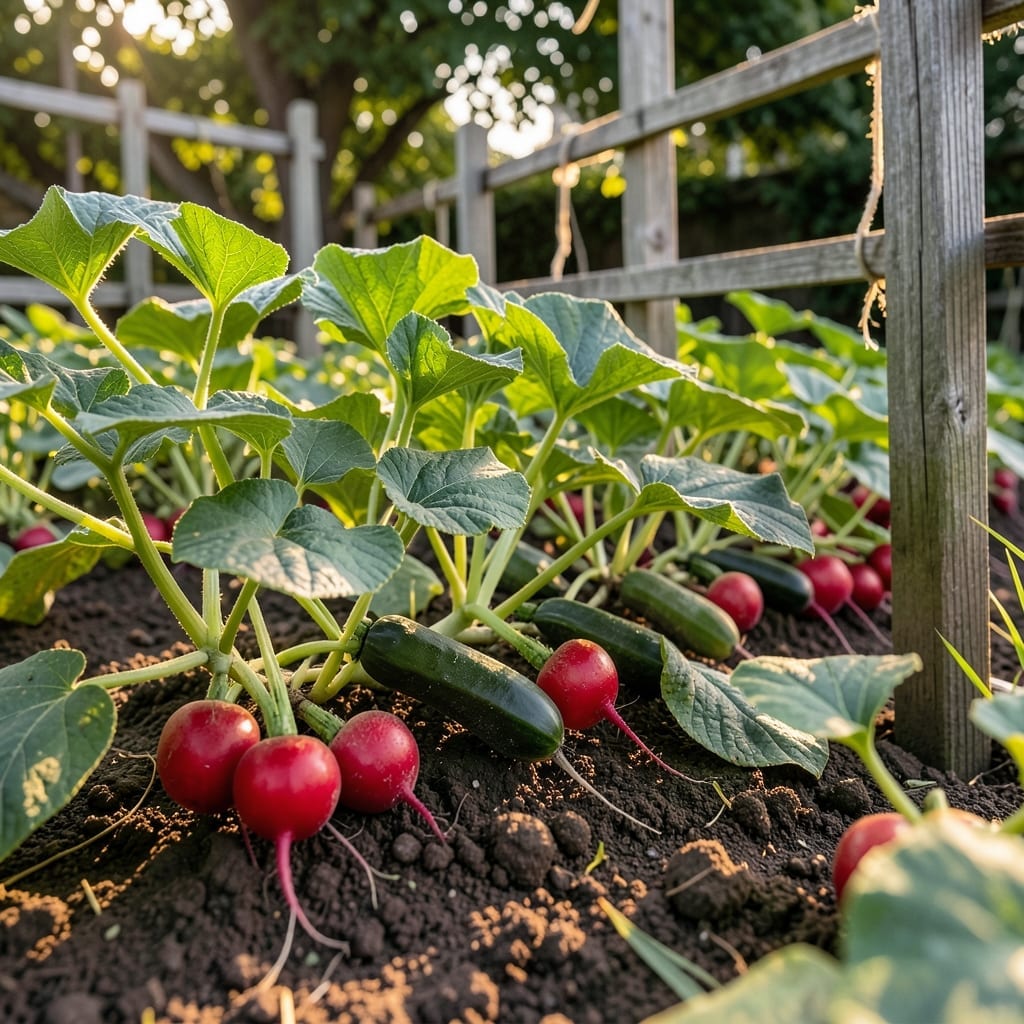
Tired of cucumber beetles ruining your harvest? Radishes are your secret weapon in the garden. These quick-growing roots act as natural pest deterrents while serving as living row markers for your slower-sprouting cucumbers.
As the radishes mature in just 3-4 weeks, they’ll mark your cucumber rows clearly. Meanwhile, their strong scent confuses cucumber beetles, protecting your vines. Later, the cucumber leaves provide cooling shade for the radishes as summer heats up.
This smart pairing works especially well for gardeners who want to maximize space while keeping pests at bay naturally. 🌱
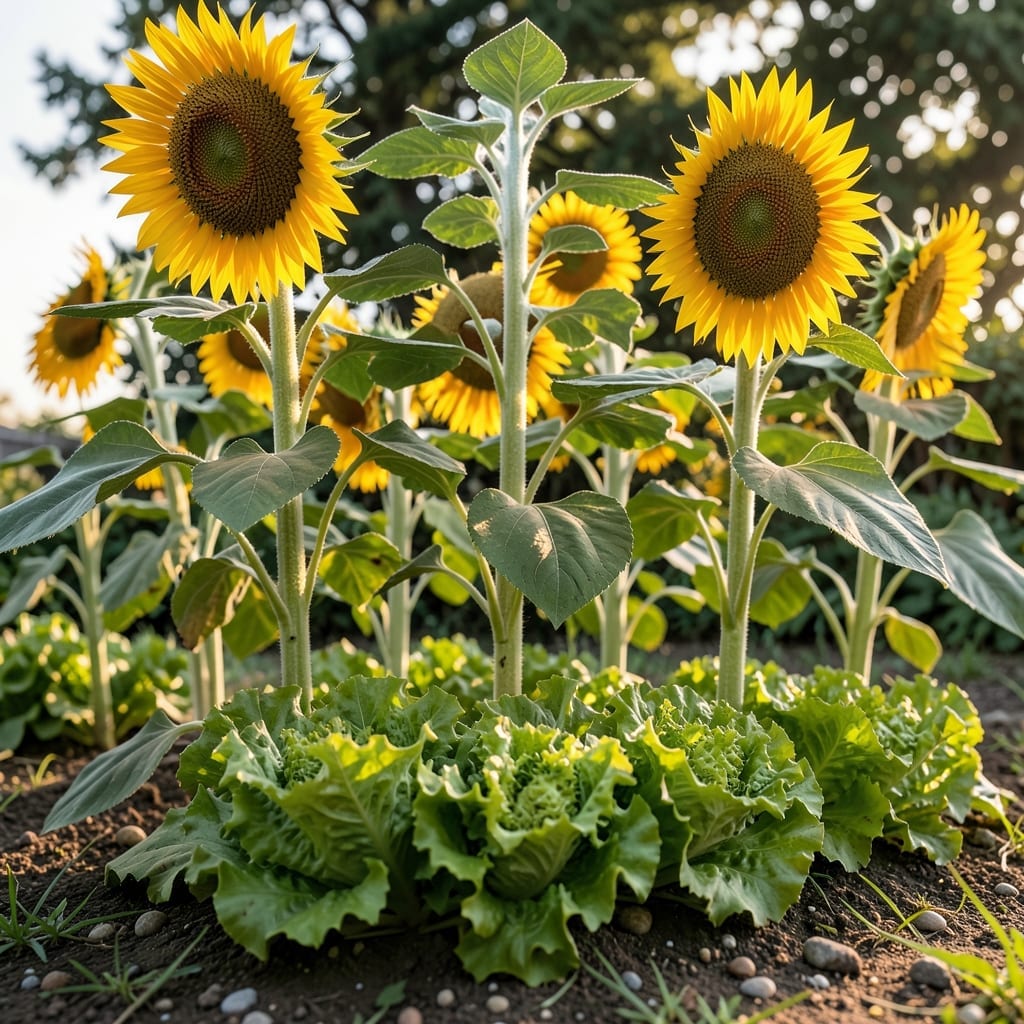
Beat the summer heat with this clever garden combo. Plant lettuce beneath towering sunflowers to create a natural shade system that keeps your greens crisp and fresh during the hottest months.
The sunflowers’ tall stems and broad leaves shield the heat-sensitive lettuce from harsh afternoon sun, preventing bolting. Meanwhile, the lettuce acts as a living mulch, retaining moisture in the soil to benefit the sunflowers’ deep roots.
This pairing is perfect for gardeners in warm climates who want to extend their lettuce harvest well into summer. 🌱
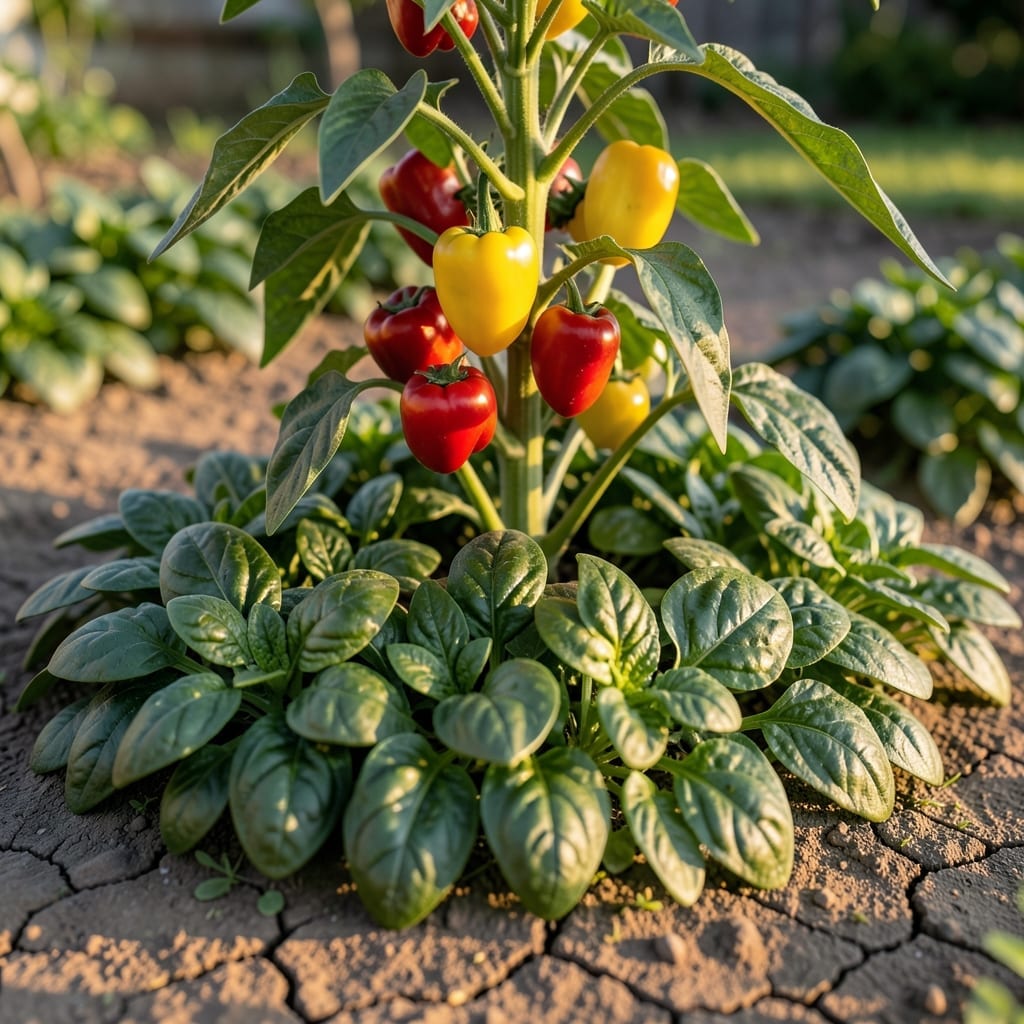
Struggling with dry soil and weeds around your peppers? Try planting spinach as a ground cover to solve both problems at once.
Spinach forms a dense, low-growing mat that retains soil moisture while blocking weeds from sprouting. Meanwhile, peppers naturally repel pests like aphids, which often target spinach, creating a protective environment for both plants.
This pairing is ideal for gardeners who want to reduce watering and weeding chores while maximizing their harvest. The spinach also matures quickly, giving you a bonus crop. 🌱
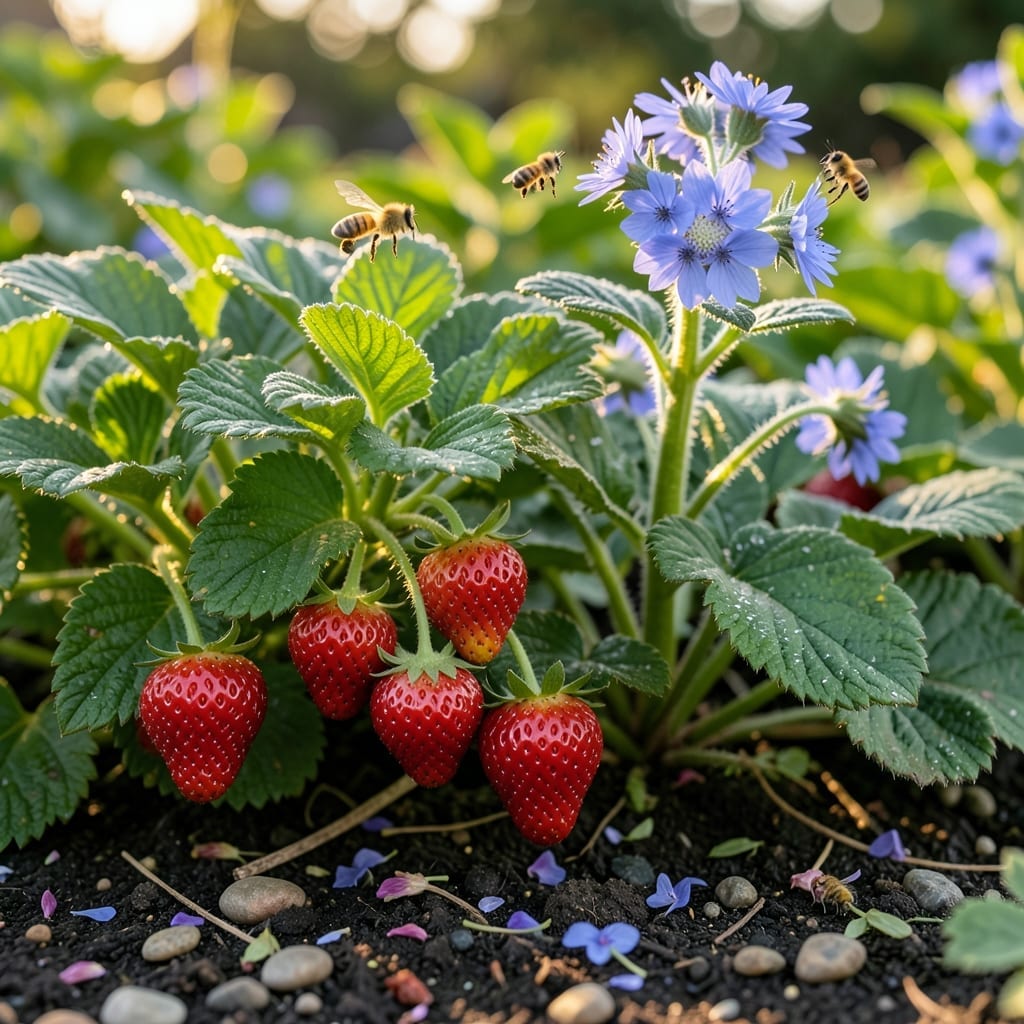
Want sweeter strawberries with less work? Plant them alongside borage for a powerhouse duo that protects and enhances your harvest.
Borage’s star-shaped blue flowers naturally deter pests like strawberry crown moths while attracting pollinators that boost fruit set. As a bonus, borage accumulates trace minerals in the soil, which strawberries absorb for improved flavor and growth.
This pairing is ideal for organic gardeners seeking a low-maintenance way to enhance their berry patch’s productivity and taste. 🌱
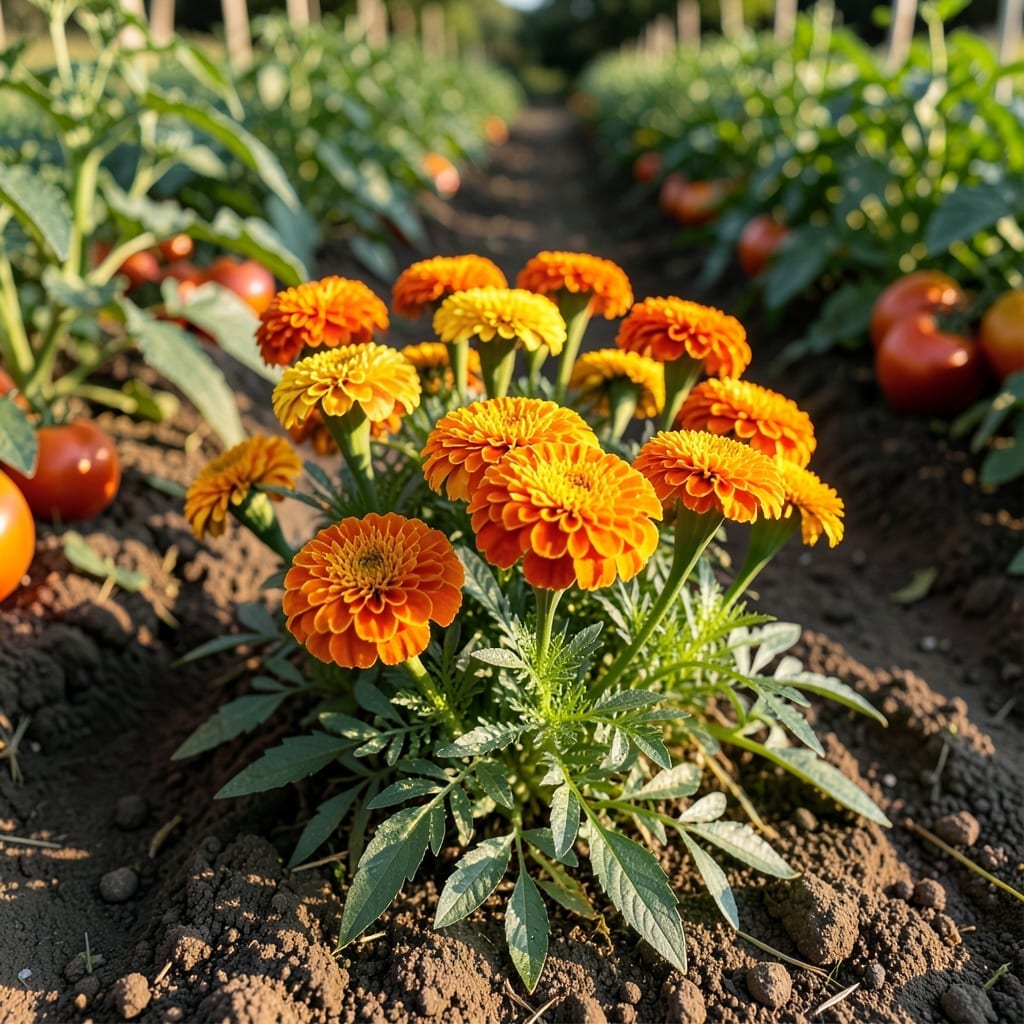
Need a single plant that benefits your entire vegetable garden? Marigolds are the ultimate team player, offering protection and pollination support to nearly every crop you grow.
These bright flowers naturally repel root-knot nematodes and many common garden pests with their strong scent. At the same time, they attract pollinators like bees and butterflies, boosting fruit set for cucumbers, squash, and more.
Perfect for organic gardeners, marigolds thrive in full sun and require minimal care. Plant them as borders or interspersed among your vegetables for garden-wide benefits. 🌻
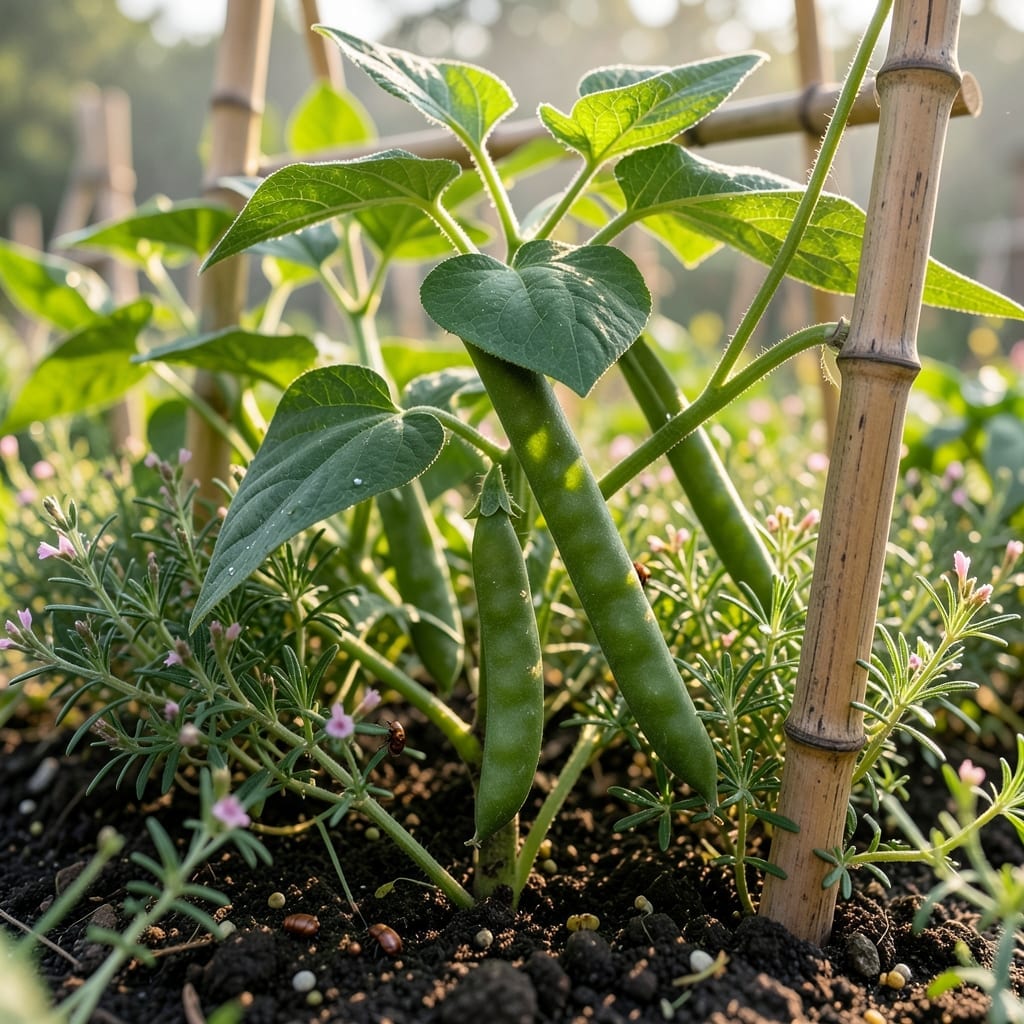
Bean beetles driving you crazy? Plant summer savory alongside your beans for a natural pest control solution that also boosts growth.
Summer savory’s strong scent repels bean beetles while improving bean plant vigor. Meanwhile, beans fix nitrogen in the soil, providing the nutrients summer savory needs to thrive. This creates a perfect symbiotic relationship where both plants benefit equally.
This pairing is ideal for organic gardeners looking to reduce pesticide use while maximizing their harvest. Plant them 6-8 inches apart for best results. 🌱