
Beautiful Plants For Your Interior
Beautiful Plants For Your Interior
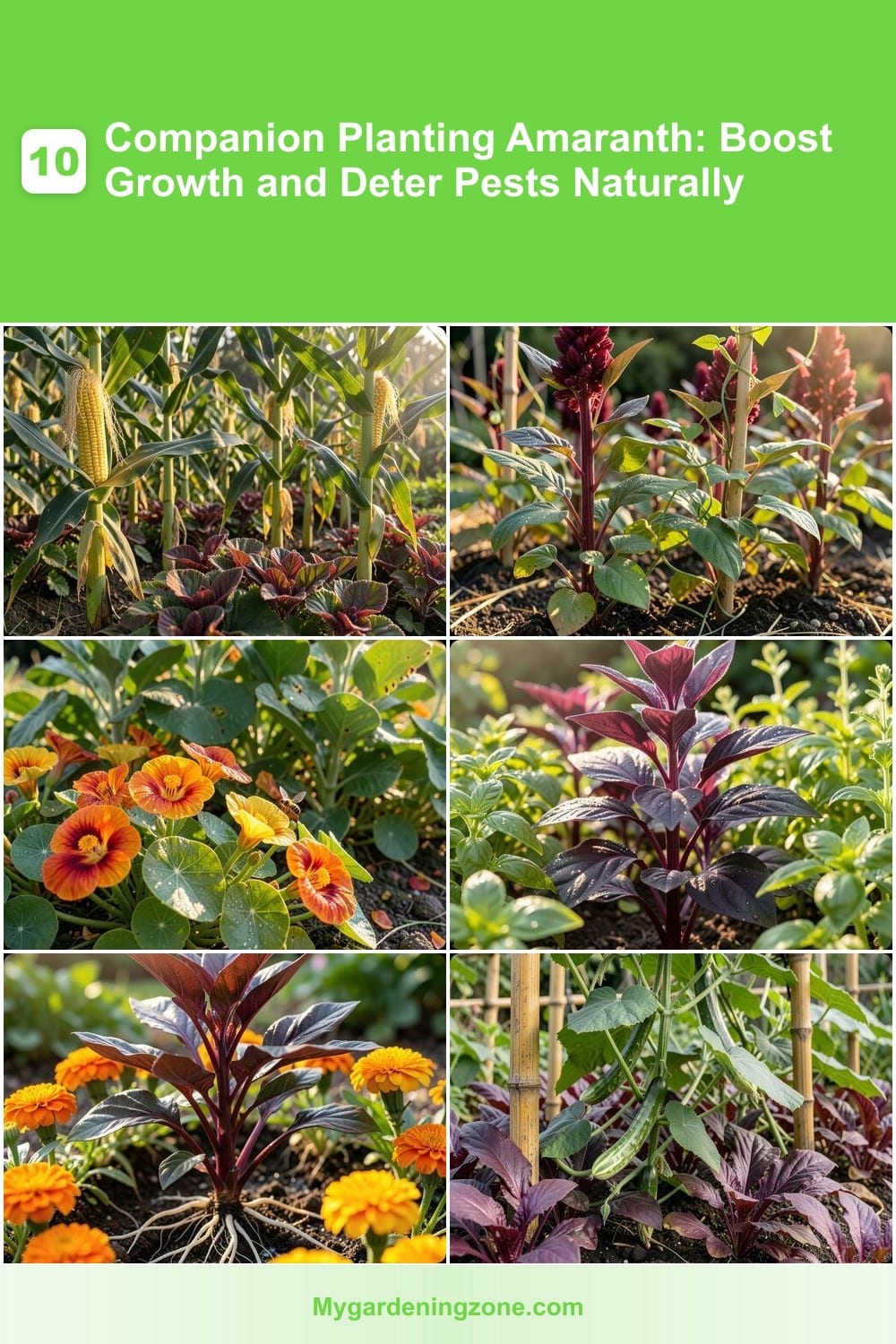
Amaranth thrives when paired with the right neighbors. These ten companion plants enhance its growth, repel pests naturally, and even improve soil health—all while creating a more productive garden ecosystem.

Struggling with wilting amaranth in the afternoon heat? Pair it with sweet corn for a natural solution that benefits both plants.
Tall corn stalks create a living canopy, shielding amaranth from harsh afternoon sun while reducing water stress. Meanwhile, amaranth’s sprawling foliage forms a dense ground cover, blocking weeds that would compete with corn’s shallow roots. This mutual support system works especially well in hot, dry climates.
Gardeners with limited space will love this duo—corn’s vertical growth and amaranth’s bushy habit maximize every square foot. 🌱
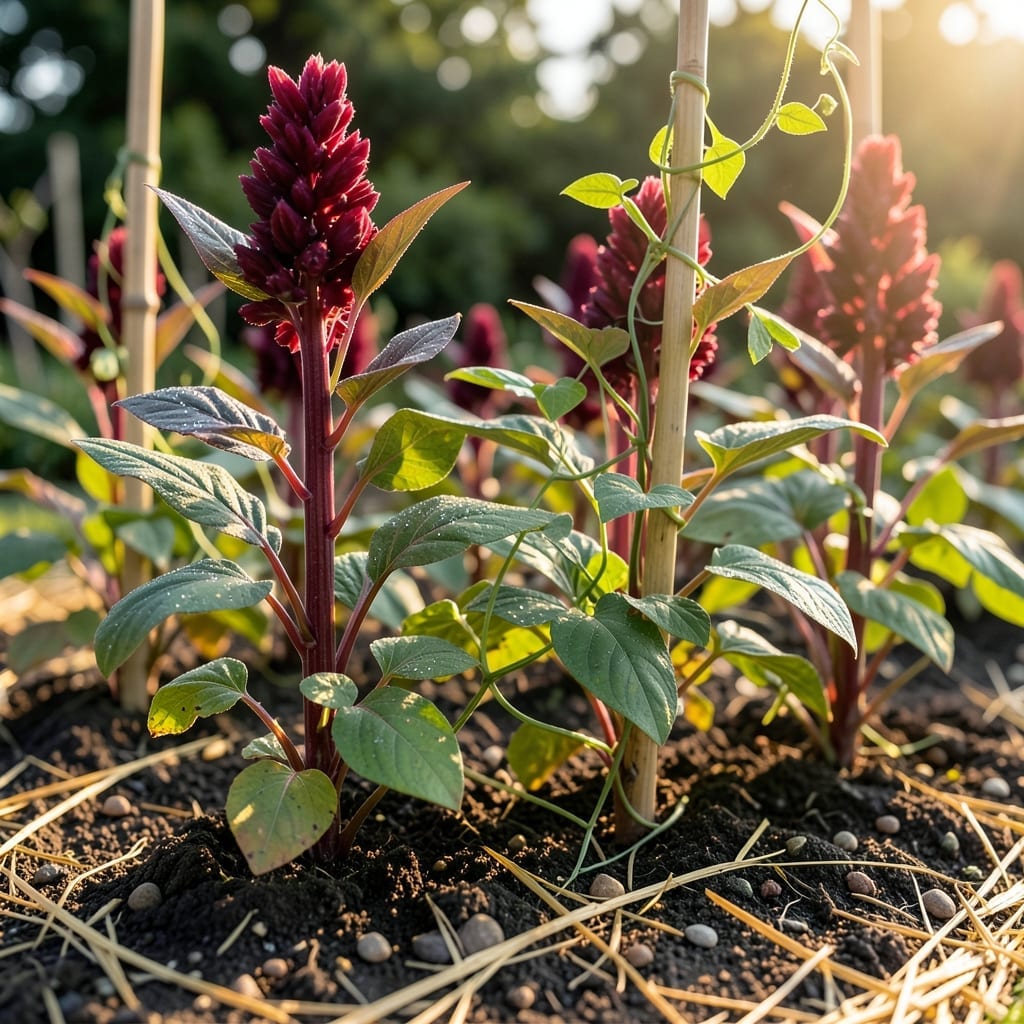
Want to give your amaranth a natural growth boost? Plant beans nearby to harness their nitrogen-fixing superpower.
Beans form a symbiotic relationship with soil bacteria, converting atmospheric nitrogen into a plant-usable form. This nutrient-rich soil feeds amaranth’s hunger for nitrogen, resulting in lusher foliage and higher yields for both plants. Bush and pole varieties both work wonders in this dynamic duo.
This pairing is perfect for gardeners aiming for organic soil enrichment without synthetic fertilizers. 🌱
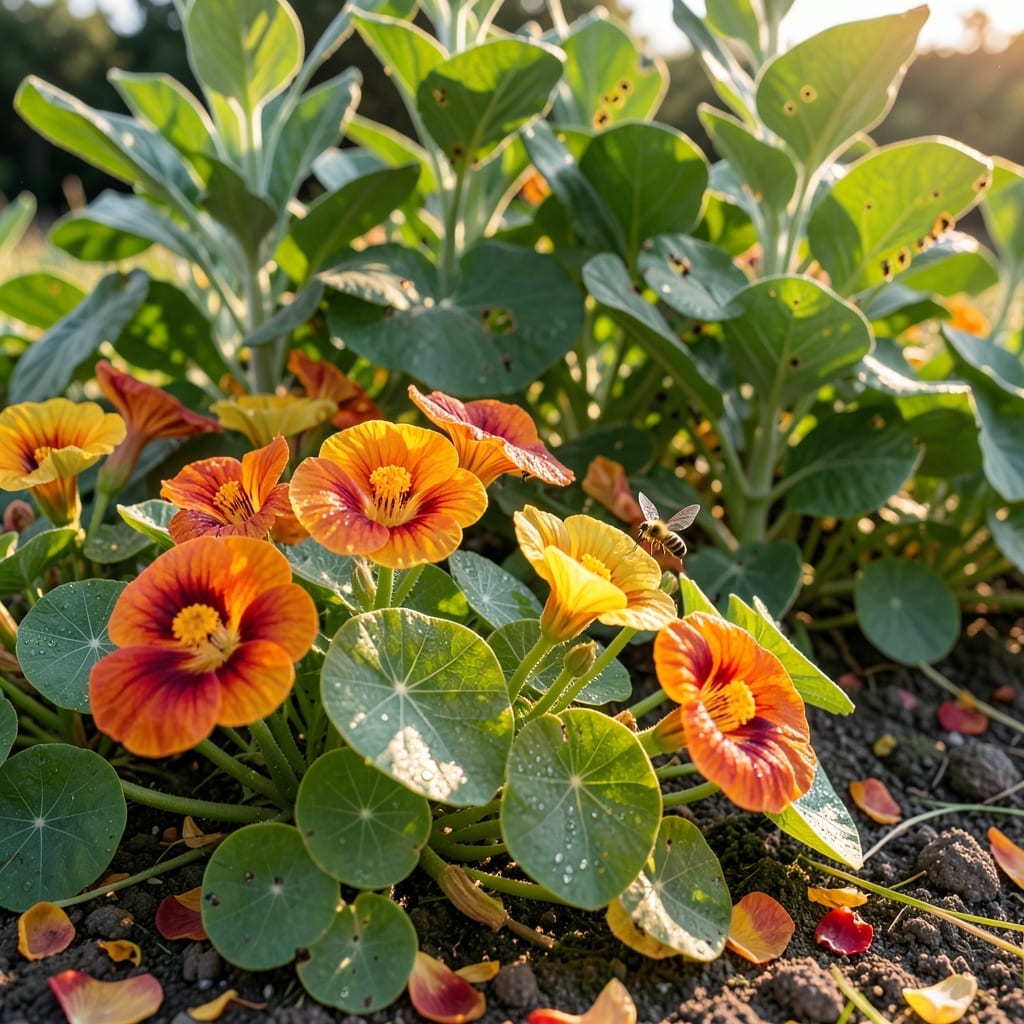
Tired of watching aphids and flea beetles feast on your amaranth leaves? Nasturtiums are your garden’s natural pest control squad.
These vibrant flowers emit a scent that repels common amaranth pests while attracting pollinators like bees. Their edible blooms add a pop of color to salads and borders, and they thrive in the same full-sun conditions as amaranth, making them effortless to grow side by side.
Perfect for organic gardeners who want to ditch chemical sprays and enjoy a dual-purpose plant. 🌿
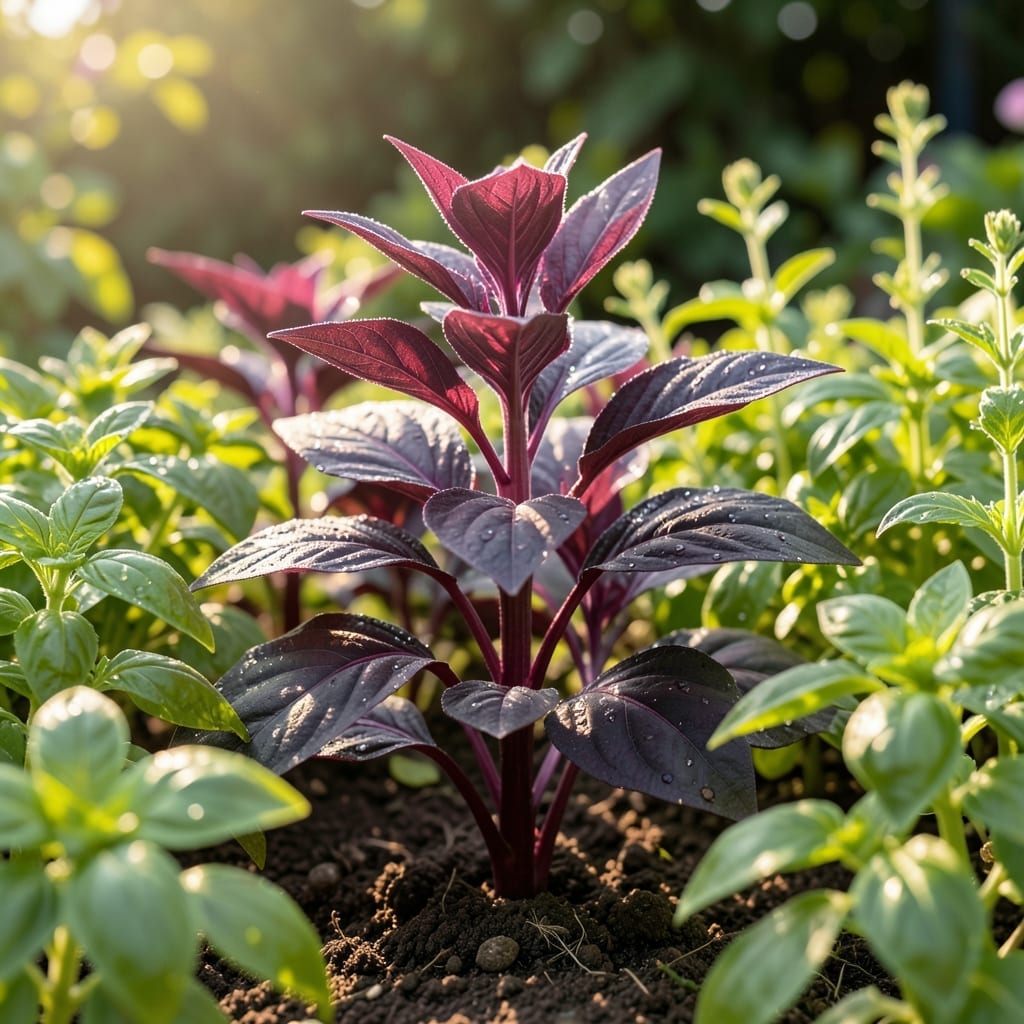
Dealing with whiteflies on your amaranth? Basil plants act as a fragrant shield, masking amaranth’s scent and leaving pests confused.
This aromatic herb thrives in similar full-sun conditions and requires minimal maintenance, making it an easy addition to any garden. As a bonus, you can harvest fresh basil leaves throughout the growing season for a steady supply of flavorful greens.
Ideal for gardeners who want to combine pest protection with a practical, harvestable crop. 🌿
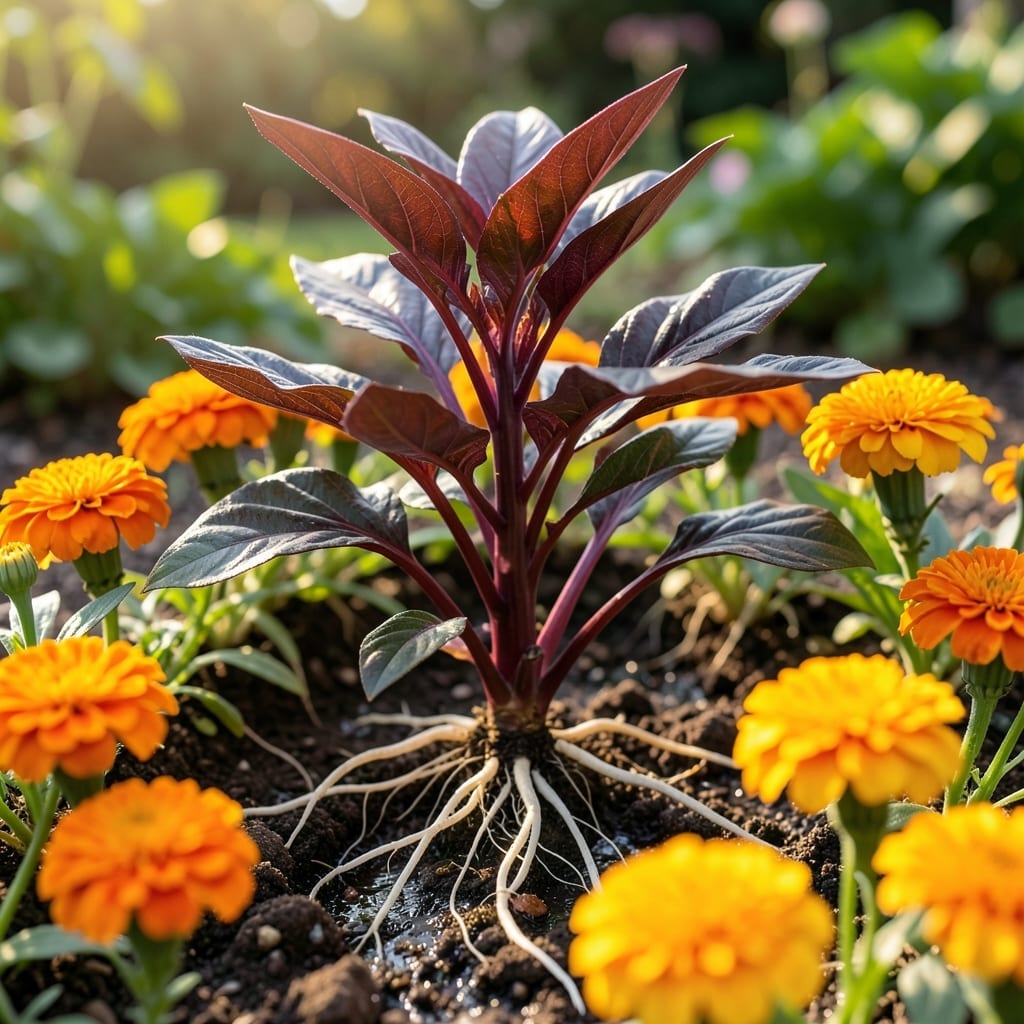
Worried about invisible pests harming your amaranth’s roots? Marigolds are the silent protectors your garden needs.
These bright flowers release natural compounds from their roots that repel harmful soil nematodes, keeping amaranth’s root system safe and healthy. Their cheerful orange and yellow blooms also attract pollinators and add vibrant color to your garden beds.
This pairing is ideal for organic gardeners looking to protect their crops naturally while enhancing their garden’s beauty. 🌻
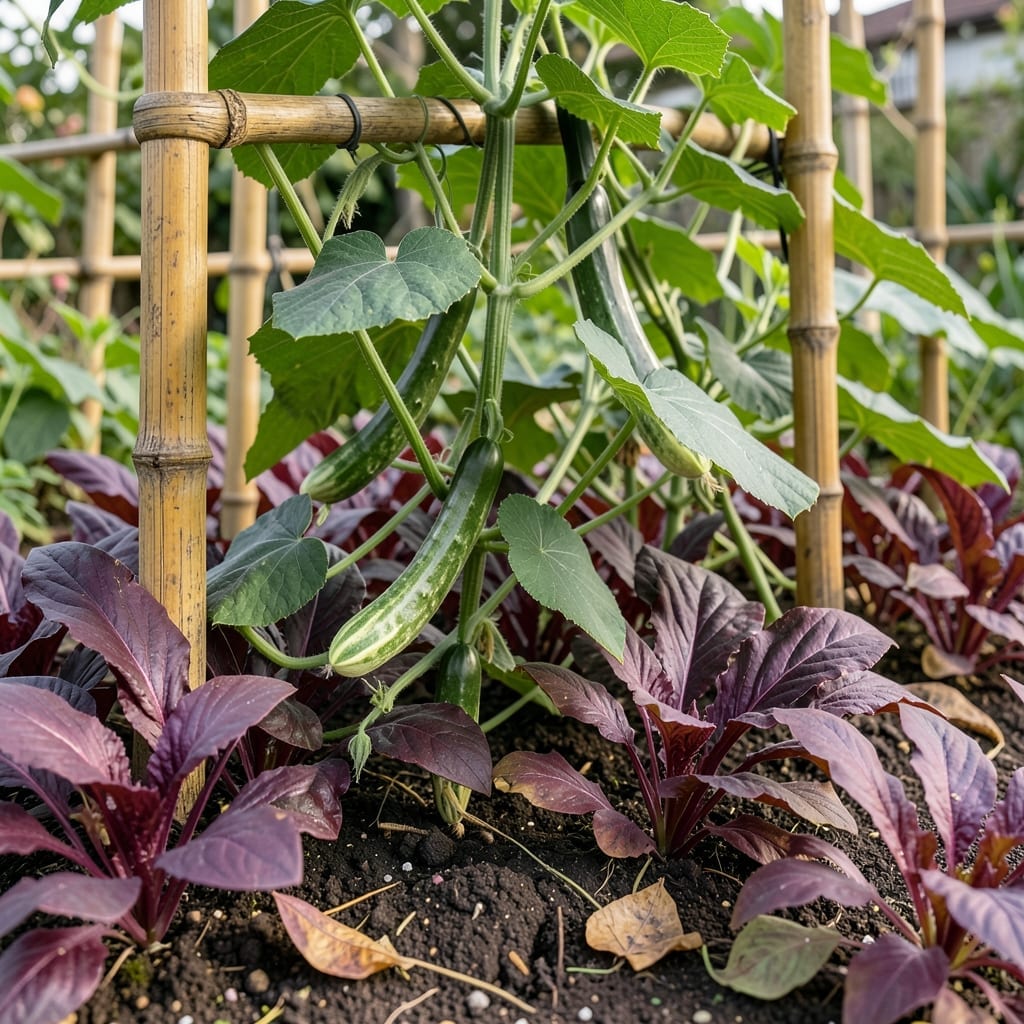
Maximize your garden’s potential by pairing cucumbers with amaranth for a space-saving powerhouse combo. Vertical growth is the key here.
Train cucumber vines up a trellis to free up ground space, while amaranth’s broad leaves create a living mulch beneath. This shade reduces soil evaporation, keeping both plants hydrated and happy during hot, dry spells. The cucumbers get the support they need, and amaranth enjoys a cooler root zone.
This duo is perfect for small gardens or urban growers looking to make the most of every inch. 🌿
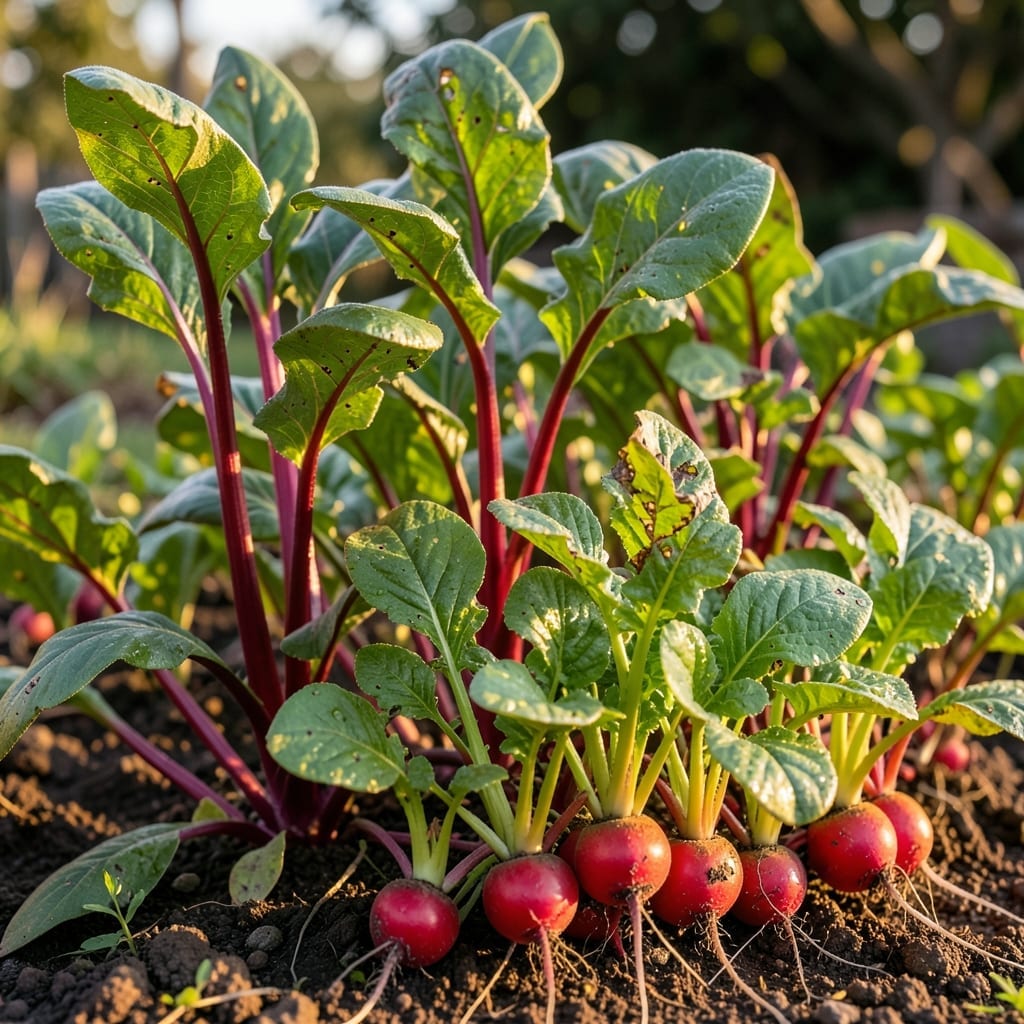
Flea beetles targeting your amaranth? Let radishes take the hit first as the ultimate sacrificial crop.
These fast-growing root vegetables mature in just 3-4 weeks, luring pests away from your amaranth while it establishes. By the time amaranth needs the space, you’ll have already harvested your radishes, leaving your main crop unscathed. Plant them in a border or interspersed between amaranth rows for maximum protection.
This strategy is perfect for organic gardeners seeking a chemical-free way to protect their harvest. ✨
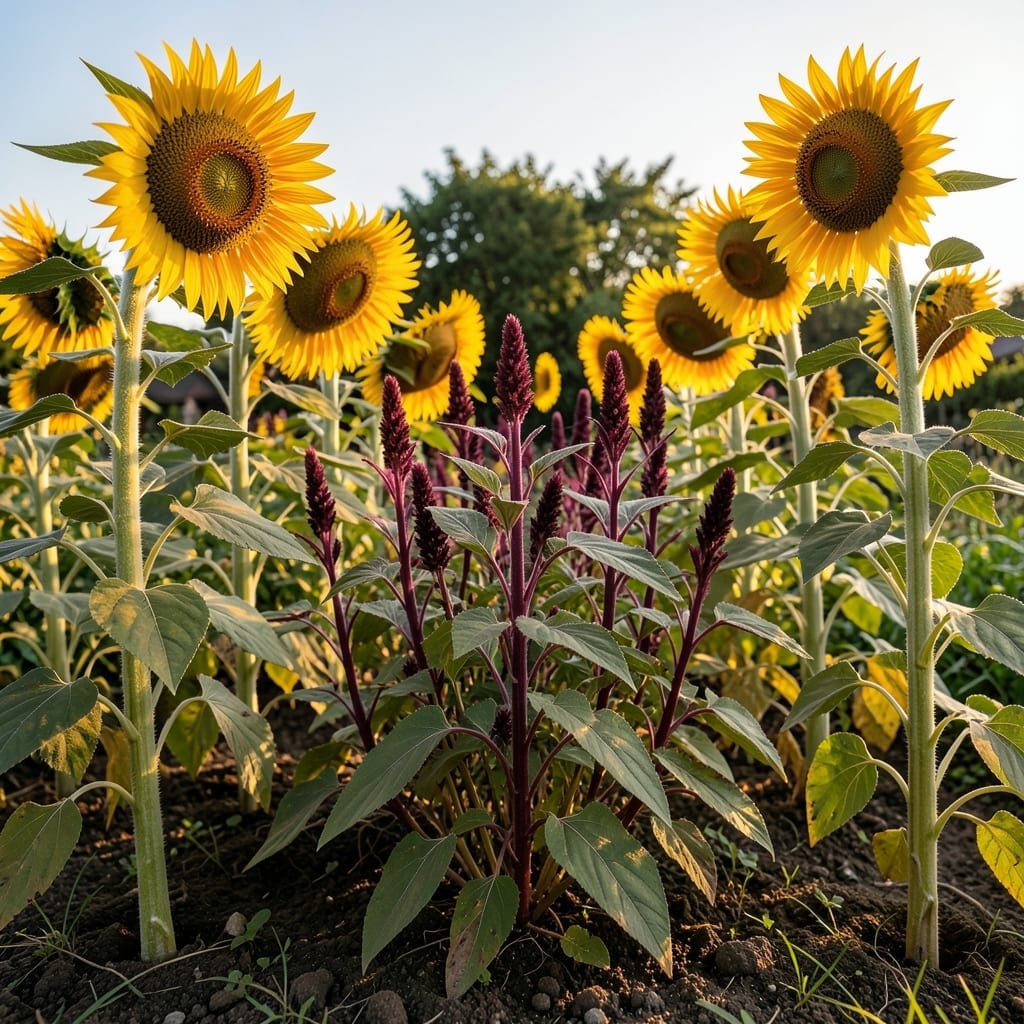
Worried about wind damage to your amaranth? Plant sunflowers as a natural barrier to protect those delicate stems.
Tall sunflower varieties create a sturdy windbreak that shields amaranth from strong gusts while allowing gentle breezes to circulate. Both plants thrive in full sun and attract pollinators, making this a productive pairing for any garden. Position sunflowers on the windward side for maximum protection.
This combo is ideal for gardeners in windy areas who want to safeguard their crops while boosting biodiversity. 🌻
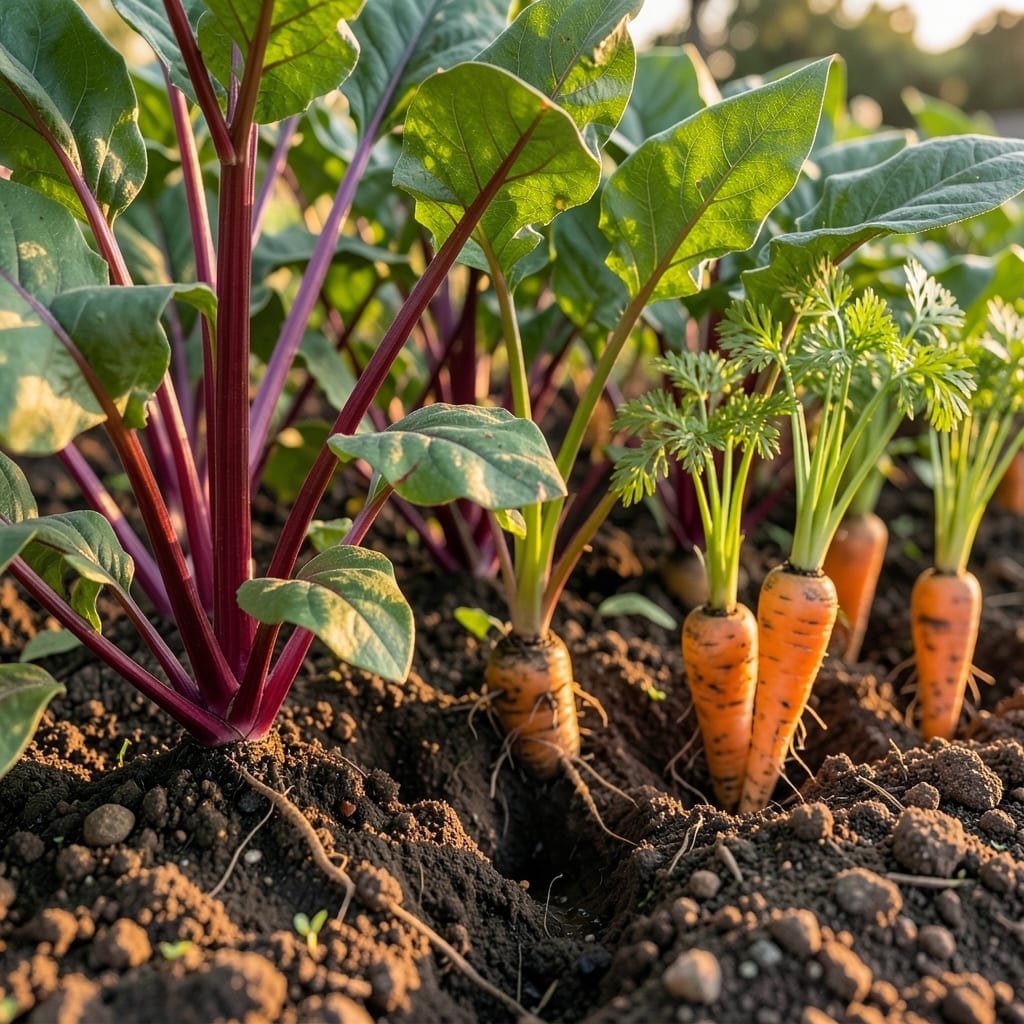
Struggling with compacted soil that stunts your amaranth’s growth? Carrots are the natural tillers your garden needs.
Their deep taproots penetrate hard soil, breaking it up and creating channels for air and water to reach shallow-rooted amaranth. This improved soil structure means better drainage and nutrient access, leading to stronger, more vigorous amaranth plants. Plant carrots in rows between amaranth for maximum soil-loosening benefits.
This pairing is perfect for gardeners with heavy clay or poorly aerated soil who want to improve their bed’s health naturally. 🌱
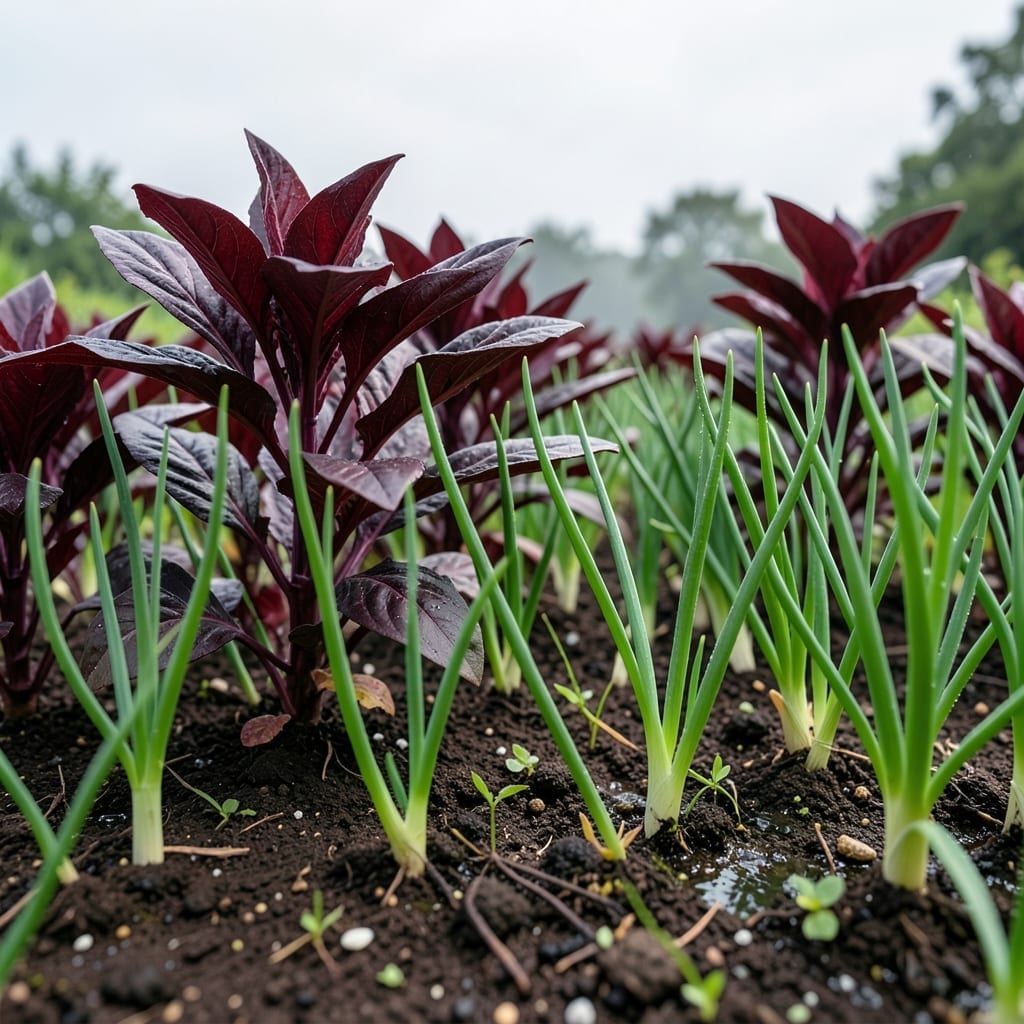
Fighting fungal issues in your humid climate garden? Onions are the unsung heroes that keep amaranth healthy and thriving.
Their natural sulfur compounds act as a fungal deterrent, creating an invisible shield against common diseases that plague amaranth. Plant onions in rows between amaranth to maximize this protective effect while maintaining good air circulation.
This pairing is especially valuable for organic gardeners seeking a chemical-free way to safeguard their crops in damp conditions. 🌿