
Beautiful Plants For Your Interior
Beautiful Plants For Your Interior
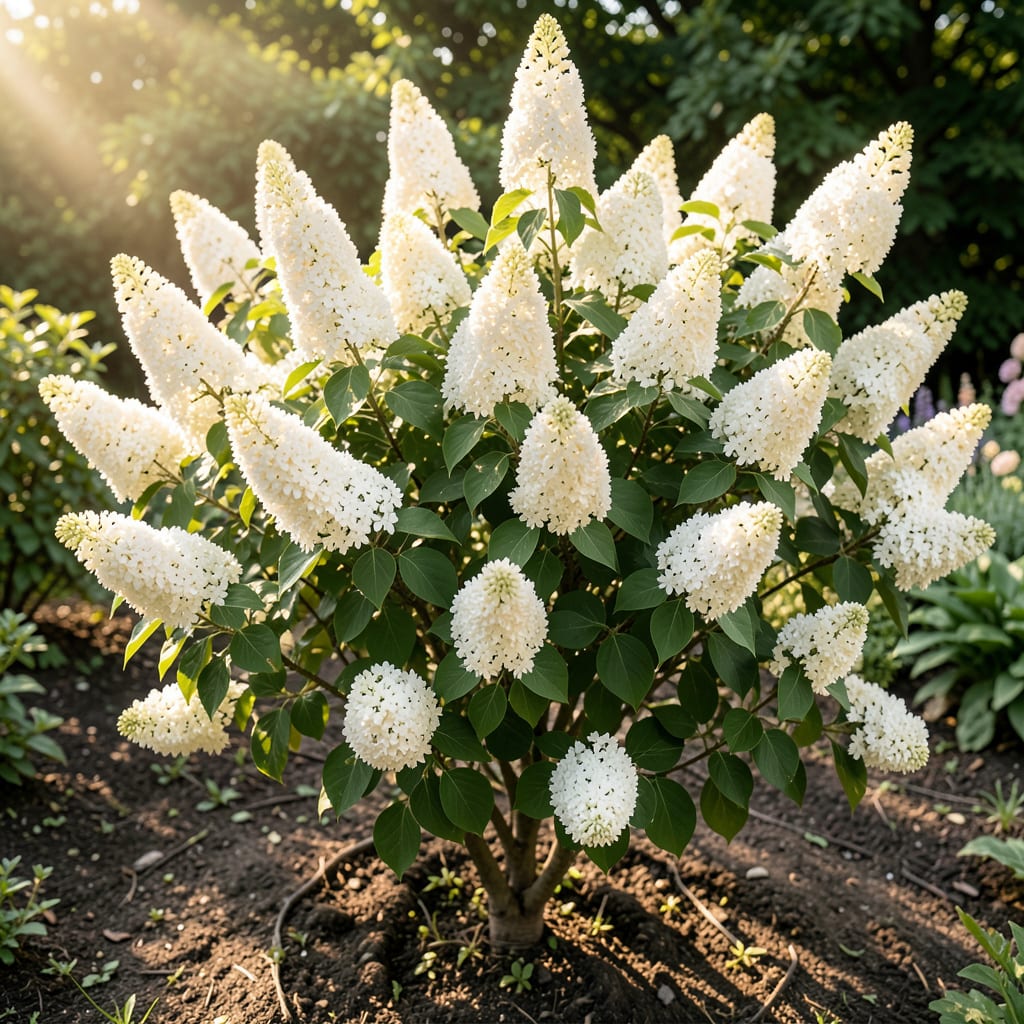
There’s nothing like the fragrant burst of white lilac blooms in spring. I planted my first bush five years ago, and it’s been the highlight of my garden every May since.
This hardy shrub thrives with minimal care—just well-draining soil, full sun, and occasional pruning. The reward is clusters of sweet-scented flowers that fill the air and attract pollinators by the dozens.
📚 In This Guide
Here’s the method I use to establish healthy, long-lived lilacs that burst with fragrance every spring.
Select a spot with full sun exposure—at least 6-8 hours of direct sunlight daily. Lilacs thrive in well-draining soil with a pH between 6.5 and 7.0. I test my soil in late summer or early fall, which is the ideal planting window.
Planting in autumn gives roots time to establish before winter dormancy. Avoid spring planting unless absolutely necessary, as it often results in weaker growth. Watch for a location sheltered from strong winds, which can damage the fragrant blooms.
Dig a hole that’s 2-3 times wider than the root ball but no deeper. The extra width loosens the surrounding soil, making it easier for roots to spread. I always mix a generous amount of compost into the excavated soil to improve fertility and drainage.
If your soil is heavy clay, consider amending with sand or peat moss to break up the density. A hole that’s too deep can cause the bush to sink over time, leading to poor drainage and potential root rot. Check that the hole’s depth allows the lilac to sit at the same level it was in its nursery container.
Gently remove the lilac from its container and loosen any circling roots with your fingers. Place the plant in the hole, ensuring the top of the root ball is level with or slightly above the surrounding soil. This prevents water from pooling around the trunk.
Backfill with the amended soil, tamping lightly as you go to eliminate air pockets. I create a 3-inch-high watering ring around the base to help contain moisture. Water deeply immediately after planting, using 10-15 gallons to thoroughly settle the soil around the roots.
Apply a 2-3 inch layer of organic mulch, such as wood chips or shredded bark, around the base. Keep mulch 3-4 inches away from the trunk to prevent rot. Mulching conserves moisture and suppresses weeds that compete with your new planting.
Prune any damaged or diseased branches immediately after planting. For the first 2-3 years, focus on removing only dead wood—this directs energy toward root establishment. You’ll see new growth emerging from the base in spring, which signals successful establishment.
Water your lilac deeply once a week during its first growing season, unless rainfall provides 1-1.5 inches weekly. After establishment, lilacs are quite drought-tolerant. I monitor soil moisture by checking 2-3 inches down—if it feels dry, it’s time to water.
Fertilize lightly in early spring with a balanced 10-10-10 fertilizer after the first year. Watch for signs of stress like yellowing leaves, which often indicate overwatering or poor drainage. Your reward will come in the second or third spring when the first fragrant white blooms appear.
The secret to vibrant, long-lasting lilacs lies in these planting and care techniques.
Sunlight Essentials: That 6-8 hours of direct sunlight daily requirement isn’t negotiable. I learned this the hard way when my first lilac struggled in partial shade. Position your bush where it gets morning sun if possible—this helps dry dew from leaves, preventing fungal issues.
Soil Preparation Insight: When digging that hole 2-3 times wider than the root ball, resist the urge to go deeper. A shallow, wide hole encourages horizontal root growth, which creates a more stable, drought-resistant plant. Mixing compost into the native soil helps prevent the “container effect” where roots circle instead of spreading.
Watering Wisdom: That initial 10-15 gallons after planting isn’t excessive—it’s critical for eliminating air pockets. For the first season, I check soil moisture 2-3 inches down rather than relying on surface appearance. A simple finger test tells you more than any moisture meter.
Mulching Technique: The 2-3 inch layer of organic mulch serves double duty: moisture retention and weed suppression. Keeping it 3-4 inches away from the trunk prevents bark rot. I use shredded bark because it breaks down slowly, feeding the soil as it decomposes.
Water young bushes weekly, giving them 1-2 inches of water. Once established, they’re drought-tolerant—water only during prolonged dry spells. Avoid overwatering to prevent root rot.
Prune immediately after flowering in late spring or early summer. This gives the plant time to set buds for next year’s blooms. Avoid fall or winter pruning, as it can remove potential flowers.
Common causes include pruning at the wrong time, insufficient sunlight (needs 6+ hours daily), or over-fertilizing with nitrogen. Ensure proper care, and blooms should return next season.
Consider mock orange, gardenia, or white weigela for similar fragrance and appearance. For low-maintenance options, try hydrangeas or viburnum.
