
Beautiful Plants For Your Interior
Beautiful Plants For Your Interior
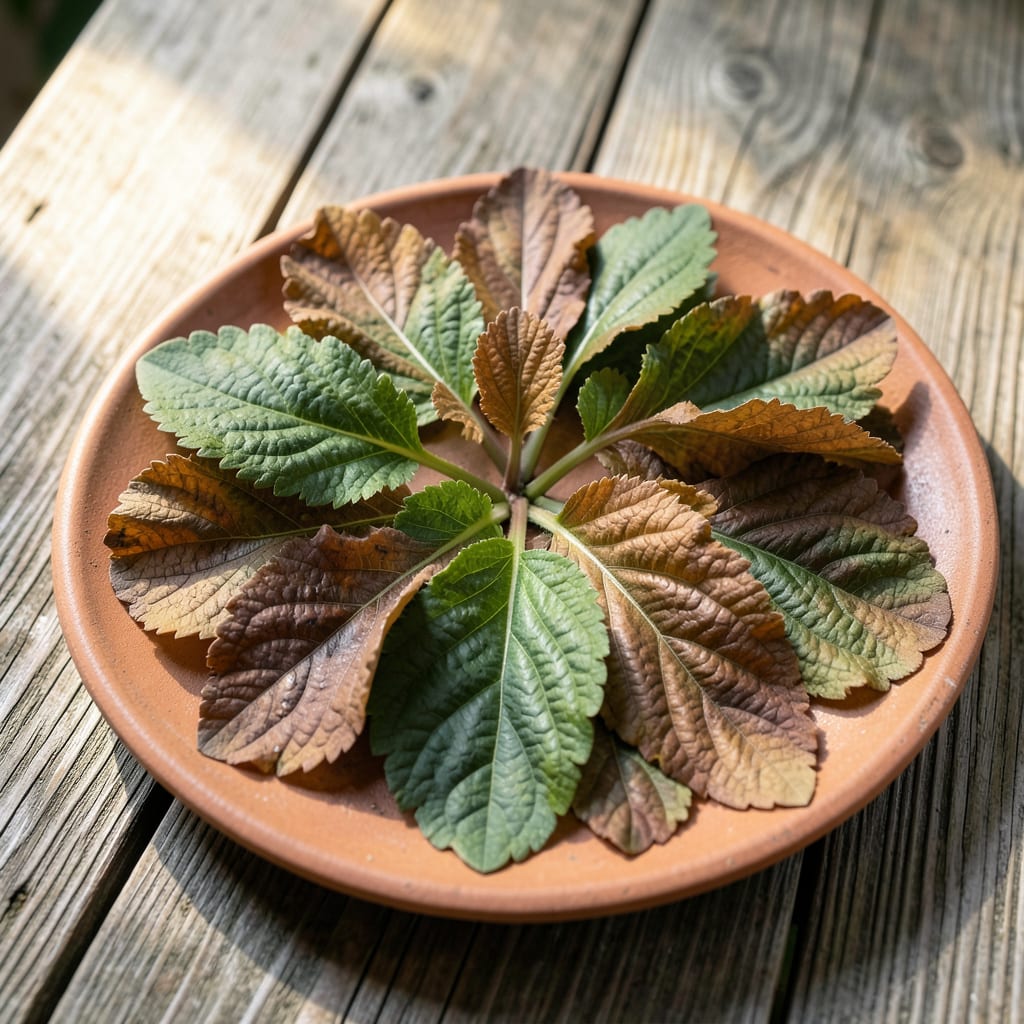
Brown edges on coleus leaves ruined my first attempt at growing these vibrant plants. I learned the hard way that this usually signals environmental stress rather than disease.
Most cases come down to water—either too much, too little, or inconsistent delivery. Coleus also hate dry air, so indoor heating or windy spots can crisp those beautiful leaves overnight.
Here’s the thing—you can often fix this in 24-48 hours with simple adjustments. Move them out of direct sun, check soil moisture daily, and mist leaves if your air feels dry.
With the right tweaks, those brown spots stop spreading and fresh growth emerges shockingly fast. The plants bounce back stronger than you’d expect.
Brown leaves on your coleus are usually a sign of stress. Here are the most common causes and the science behind them:
Coleus plants thrive in consistently moist but well-drained soil. Underwatering leads to dry, crispy brown edges as cells lose turgor pressure and die. Meanwhile, overwatering suffocates roots, reducing oxygen uptake and causing root rot, which manifests as yellowing followed by browning. Aim for soil that’s damp (not soggy) 1 inch below the surface.
Coleus are shade-loving plants. Direct sunlight increases transpiration beyond what the roots can supply, leading to leaf scorch—brown, papery patches. UV radiation also breaks down chlorophyll, accelerating discoloration. Move plants to bright, indirect light (e.g., east-facing windows or under a tree canopy).
Coleus prefer 60–75°F (15–24°C). Cold drafts (below 50°F/10°C) disrupt cellular function, causing marginal browning. Heat stress (above 90°F/32°C) increases respiratory demand, leading to dehydration and necrosis. Keep plants indoors or in stable microclimates during temperature swings.
High salt concentrations from hard water or over-fertilization cause osmotic stress, where roots can’t absorb water despite its presence. This results in brown, brittle leaf tips. Use distilled water and flush the soil monthly to leach excess salts. Test soil pH—coleus prefer slightly acidic (6.0–7.0).
Pathogens like Alternaria or Pseudomonas thrive in wet foliage, causing brown spots with yellow halos. Overhead watering spreads spores, while poor airflow encourages growth. Treat with copper-based fungicides and improve ventilation. Remove infected leaves immediately to prevent spread.
When your coleus leaves start turning brown, quick and targeted action can revive your plant. Below are practical solutions mapped to the most common causes, along with prevention tips to keep your coleus thriving.
Fix: Check the soil moisture by inserting your finger about an inch deep. If it feels dry, water thoroughly until it drains from the bottom. If the soil is soggy, stop watering and let it dry out. For severe overwatering, repot the plant in fresh, well-draining soil.
Prevention: Water when the top inch of soil is dry. Use pots with drainage holes and a well-draining potting mix. 💡Pro tip: A moisture meter can help you monitor soil conditions accurately.
Fix: Move your coleus to a spot with bright, indirect light. If growing outdoors, provide shade during the hottest part of the day. For indoor plants, keep them near an east- or north-facing window.
Prevention: Gradually acclimate coleus to brighter light to avoid shock. Use sheer curtains to diffuse harsh sunlight.
Fix: Relocate the plant to an area with stable temperatures between 60–75°F (15–24°C). Avoid drafty windows, heaters, or air conditioning vents.
Prevention: Monitor indoor temperatures and keep coleus away from cold drafts or extreme heat sources. 🌡️Pro tip: Use a small space heater or fan to maintain consistent temperatures in fluctuating climates.
Fix: Inspect leaves for pests like spider mites or aphids. Spray with neem oil or insecticidal soap, focusing on the undersides of leaves. Repeat every 5–7 days until pests are gone.
Prevention: Regularly check plants for early signs of pests. Keep the area clean and avoid overcrowding plants to improve airflow.
Fix: Feed your coleus with a balanced, water-soluble fertilizer (10-10-10 or 20-20-20) every 2–4 weeks during the growing season. Yellowing leaves may indicate a lack of nitrogen, while brown edges can signal potassium deficiency.
Prevention: Use a slow-release fertilizer at the start of the growing season. Refresh the soil annually to replenish nutrients.
Water when the top 1 inch of soil feels dry. These plants prefer consistently moist soil but hate soggy conditions. In hot weather, this might mean watering every 2-3 days.
Unfortunately no—once leaves brown, that damage is permanent. Remove affected leaves to redirect energy to healthy growth. With proper care, new green leaves will replace them in 1-2 weeks.
Bright, indirect light is ideal. East-facing windows work perfectly indoors. Outdoors, morning sun with afternoon shade prevents leaf scorch. Avoid harsh midday sun which can bleach or brown leaves quickly.
Edge browning typically signals underwatering or low humidity. The farthest parts of the leaf dry out first when water isn’t reaching them. Increase watering frequency or add a humidity tray nearby.
