
Beautiful Plants For Your Interior
Beautiful Plants For Your Interior
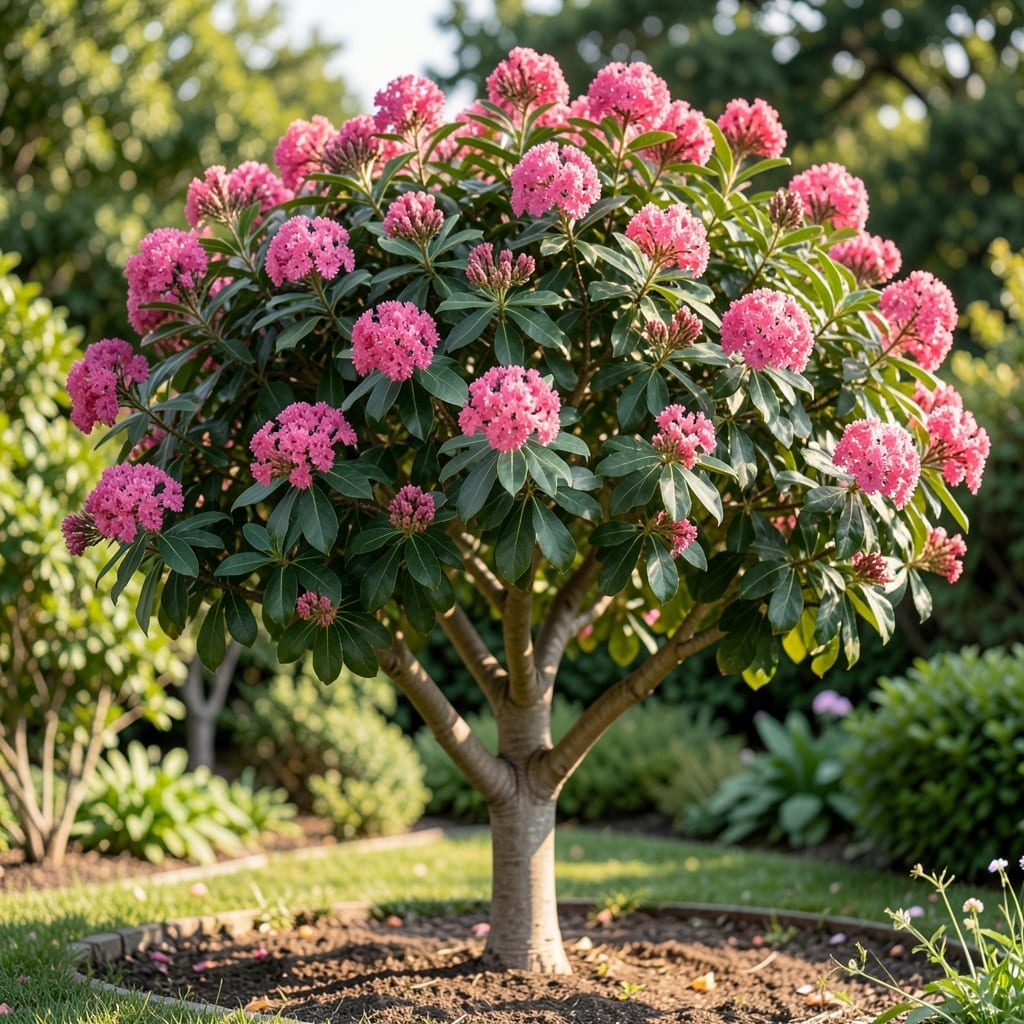
Tired of watching your garden lose its vibrancy at the first frost? The 🌳 Crepe Myrtle might just be your new favorite for cold climates.
These resilient shrubs bring stunning summer blooms and fall colors, thriving where others wilt. With the right varieties, you can enjoy beauty even in zone 6.
I’ll show you how to select and care for these hardy plants so your landscape stays lively, no matter how low the temperatures drop. Let’s get started.
Northern gardeners often struggle to find crepe myrtles that survive harsh winters. I’ve tested several varieties and found that cold hardy types can thrive in USDA zones 6-7 with proper care.
These resilient shrubs offer vibrant summer blooms and stunning fall foliage, even after frost. Selecting the right cultivar is key to success in colder climates.
| Variety | Hardiness Zone | Mature Size | Bloom Color | Unique Feature |
|---|---|---|---|---|
| Chicago Pearl | 6-9 | 12-15 ft | White | Long bloom season |
| Hope | 6-9 | 10-15 ft | Pink | Disease resistant |
| Arapaho | 7-9 | 8-12 ft | Red | Dwarf variety |
| Natchez | 7-9 | 15-20 ft | White | Fast grower |
| Muskogee | 6-9 | 15-20 ft | Lavender | Cold tolerant |
I recommend Chicago Pearl for its exceptional cold tolerance and long-lasting white blooms. It thrives in zone 6 and handles sub-zero temperatures better than most.
The Hope variety is another excellent choice, offering pink flowers and strong disease resistance. Its 10-15 ft height makes it perfect for small gardens.
For smaller spaces, Arapaho is a dwarf crepe myrtle with striking red blooms. It’s ideal for zone 7 and requires minimal pruning.
If you need a fast grower, Natchez can reach 15-20 ft and produces beautiful white flowers. It’s a great option for creating privacy screens.
Muskogee stands out with its lavender blooms and impressive cold hardiness. It’s a favorite among gardeners in zone 6 for its reliability.
When planting, I always choose a sunny location with well-draining soil. These varieties perform best with 6+ hours of sunlight daily.
With the right variety and care, you can enjoy year-round beauty from these amazing shrubs, even in the coldest climates 🌳
Growing cold hardy crepe myrtles in chilly climates requires some special attention. I’ve found that proper planting and winter protection make all the difference for survival and bloom potential.
These shrubs thrive with full sun exposure and well-draining soil. In colder zones, a sheltered location can help them withstand harsh winter winds and freezing temperatures.
I always mulch my crepe myrtles with 3-4 inches of organic material like wood chips or straw. This protects the root system from freezing temperatures.
For young plants, I recommend wrapping the trunk with burlap or using a tree guard to prevent sunscald and rodent damage during winter.
Pruning should be done in late winter while the plant is still dormant. Remove any dead or damaged branches and thin out crowded areas to improve air circulation.
These low-maintenance shrubs reward you with months of colorful blooms and beautiful fall foliage. With proper care, they’ll thrive for years, even in challenging climates 🌳