
Beautiful Plants For Your Interior
Beautiful Plants For Your Interior
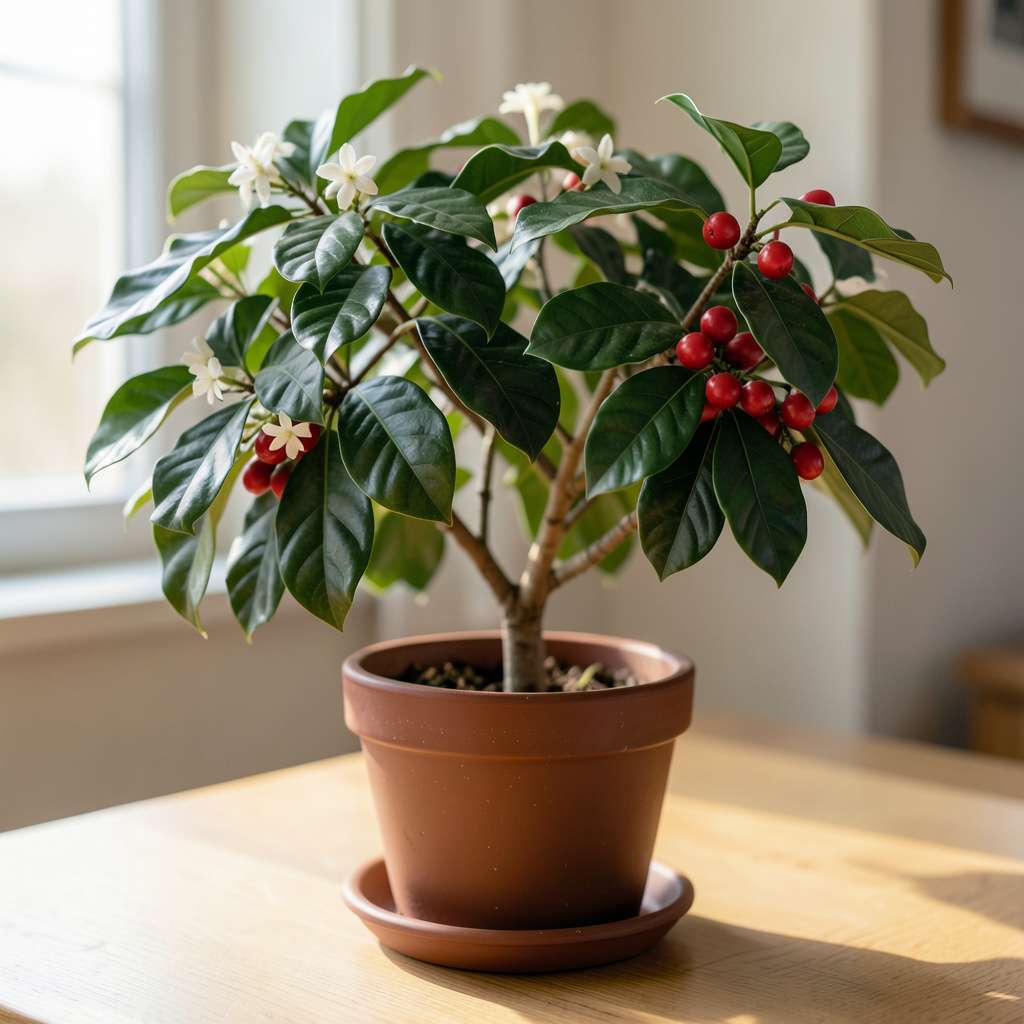
Yes, coffee plants are highly toxic to cats due to caffeine and methylxanthines, which can cause vomiting, tremors, seizures, or even death if ingested. Keep plants and beans away from pets at all times.
I’ve seen firsthand how curious cats are drawn to leafy plants, but this is one greenery that demands extra caution. 🐱 The compounds in coffee plants don’t just cause mild discomfort—they directly attack a cat’s nervous system and heart, with effects appearing within 1-2 hours of ingestion. Even small amounts can trigger rapid breathing or hyperactivity, while larger doses may lead to life-threatening complications. What makes this especially tricky is that all parts of the plant contain these toxins, from the leaves to the beans, so there’s no “safe” piece to leave within paw’s reach.
💡 In This Article
The toxicity comes from three key compounds: caffeine, theobromine, and other methylxanthines found throughout the plant. These chemicals belong to a class of stimulants that directly interfere with a cat’s nervous system by blocking adenosine receptors.
Normally, adenosine helps regulate heart rate and calm neural activity—but when methylxanthines bind to these receptors instead, they trigger uncontrolled neuron firing. This explains why symptoms like hyperactivity and tremors appear so rapidly, often within 30-60 minutes of ingestion. 🔥
A cat’s liver lacks the enzymes to efficiently metabolize these compounds, making them 10 times more sensitive than humans. Even 20-30mg of caffeine per kilogram of body weight can cause severe poisoning—that’s roughly 1-2 coffee beans for an average 10-pound cat.
The cardiovascular effects are particularly dangerous: these chemicals increase calcium release in heart muscle cells, leading to abnormal rhythms. I’ve seen cases where ingestion caused heart rates to spike to 240+ beats per minute (normal is 140-220).
The progression follows a predictable pattern. Initial signs like vomiting or diarrhea appear as the stomach irritates, then neurological symptoms emerge as the compounds cross the blood-brain barrier. Without treatment, respiratory failure can occur as the diaphragm muscles become overstimulated.
What’s especially concerning is that symptoms may persist for 12-36 hours due to the slow elimination rate in felines. Even used coffee grounds contain enough residual compounds to be dangerous. ✨
All parts of the plant contain these toxins, but concentration varies:
This means even chewing a single leaf can deliver a toxic dose to a small cat.
The risk extends to compost piles containing coffee plant debris, as the compounds remain active even after the plant dies. 💫
Veterinary treatment typically involves inducing vomiting within 2 hours of ingestion, followed by activated charcoal to absorb remaining toxins. IV fluids help flush the system while medications like beta-blockers may be needed to control heart rate.
The prognosis depends on how quickly treatment begins—cats treated within 4 hours have significantly better outcomes than those who receive delayed care. This is why immediate vet contact is critical, even if symptoms seem mild initially. ⚡
Symptoms typically develop within 30-60 minutes of ingestion, starting with vomiting or hyperactivity. Neurological signs like tremors usually follow within 1-2 hours as the toxins affect the nervous system. The rapid onset makes immediate action critical.
Yes, used grounds still contain enough caffeine and methylxanthines to be toxic. Even compost containing coffee plant debris remains hazardous. Always dispose of grounds in sealed containers inaccessible to pets, and avoid using them in garden areas cats can access.
As little as 1-2 coffee beans or a single leaf can cause poisoning in a 10-pound cat. The toxic dose is 20-30mg of caffeine per kilogram of body weight—far less than what’s in a human cup of coffee.
No plant is truly safe if grown where cats roam. Wind or animals can dislodge leaves/berries, and curious cats may find ways to access them. For outdoor spaces, opt for non-toxic alternatives like Kentia palms or catmint instead.
The rustling leaves and dangling berries trigger cats’ natural hunting instincts. Some are also attracted to the plant’s earthy scent. To redirect this behavior, provide safe alternatives like cat grass or interactive toys near windows.
