
Beautiful Plants For Your Interior
Beautiful Plants For Your Interior
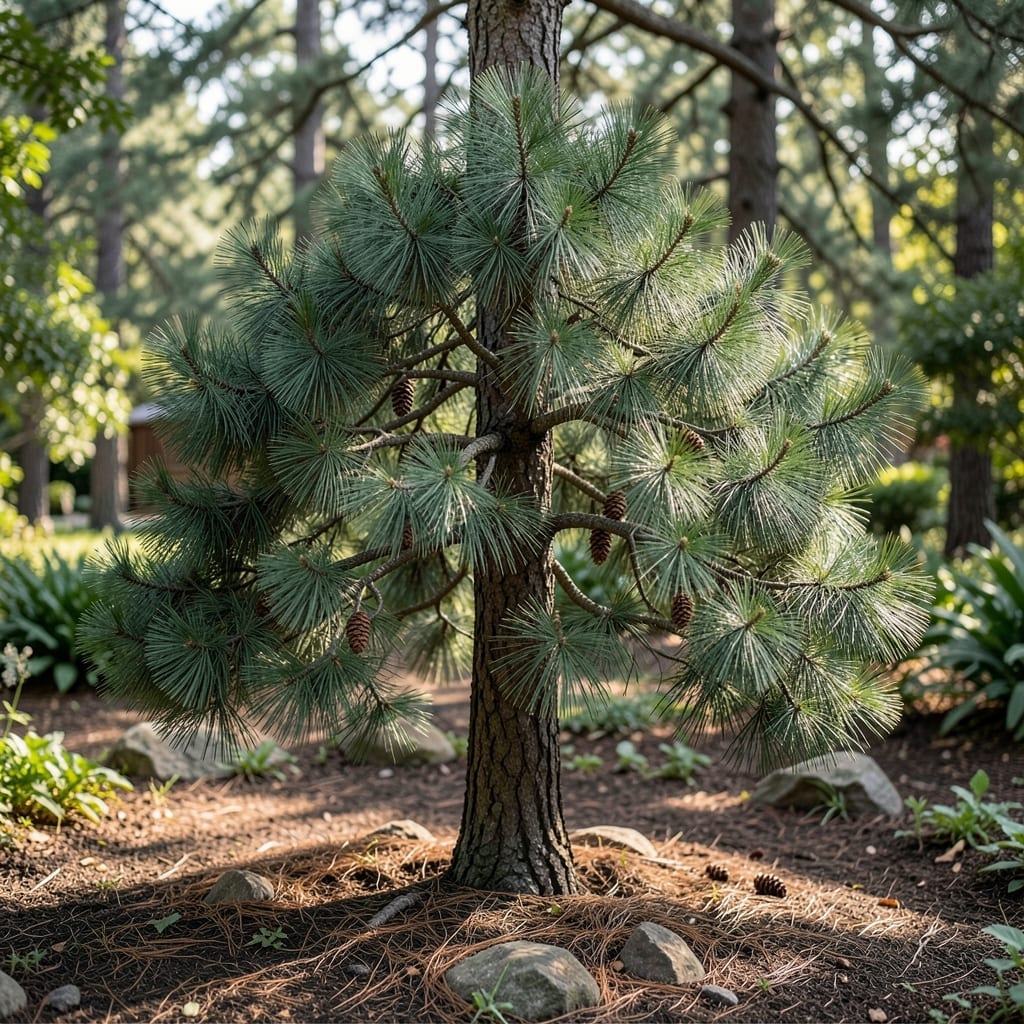
Nature’s original seed vault sits right on the branch. Closed pine cones lock in fresh seeds for months until conditions are perfect for new life.
Collecting and storing them properly keeps those seeds viable for planting next season. I’ve learned the hard way that timing matters—harvest too early or too late and germination drops.
With a little patience, you can coax those seeds to sprout into sturdy seedlings. The process feels slow until you see those first green needles pushing through.
Works for most pine species and scales from a windowsill experiment to a full reforestation project. Here’s how to get started.
Pine cones remain closed as a natural survival mechanism, protecting their seeds until conditions are just right for germination. Here’s why it happens:
High humidity or moisture causes the cone’s scales to tighten, sealing the seeds inside. This prevents water damage and ensures seeds stay dry and viable until drier conditions arrive.
Cold temperatures can keep pine cones closed, as the scales contract to shield seeds from freezing. Warmer weather triggers them to open, releasing seeds when the environment is more favorable.
Immature pine cones stay closed due to natural plant hormones like abscisic acid, which inhibit opening. As the cone matures, these hormones decrease, allowing the scales to relax and open.
Some pine species, like the lodgepole pine, have serotinous cones that only open after exposure to fire. The heat melts the resin holding the scales shut, ensuring seeds are released into a nutrient-rich, competition-free landscape.
A closed pine cone can be a sign of nature’s protection or a response to environmental conditions. Here’s how to encourage it to open and release its seeds, along with tips to prevent future issues.
Pine cones close tightly in cold or dry conditions to protect their seeds. To open them, place the cone in a warm, humid environment. Try setting it near a sunny window or on a radiator for a few hours. For faster results, bake it in the oven at 200°F (93°C) for 10–15 minutes—this mimics natural warmth and triggers opening. Prevention tip: 💡 Store pine cones in a temperature-controlled space if you’re saving them for later use.
If the cone is swollen or moldy from too much moisture, it may stay shut. Gently dry it out by placing it in a well-ventilated area or using a fan on low. Avoid direct heat, which can damage the scales. Prevention tip: ✨ Keep pine cones in a dry container, like a paper bag, to prevent excess humidity.
Young pine cones often remain closed until fully mature. If you’ve collected one that’s still green or soft, let it air-dry for a few weeks in a cool, shaded spot. Once it turns brown and firm, it should open naturally. Prevention tip: 🎯 Harvest cones only when they’re fully brown and starting to crack slightly.
Insects or fungi can cause cones to stay closed as they damage the scales. Inspect the cone carefully and remove any visible pests. For fungi, a light dusting of baking soda can help. Prevention tip: 🔥 Store cones in a sealed container with a sachet of silica gel to deter pests.
In ideal conditions, mature cones open within 1-3 days of exposure to warmth. Immature ones may need 2-4 weeks of drying time before they’re ready to release seeds.
Yes! Place it near a heat source or bake at 200°F for 10-15 minutes. Avoid microwaving, as it can damage the seeds inside.
Check for excess moisture or pests. If it’s moldy, dry it in a ventilated area. If pests are present, inspect and clean it thoroughly.