
Beautiful Plants For Your Interior
Beautiful Plants For Your Interior
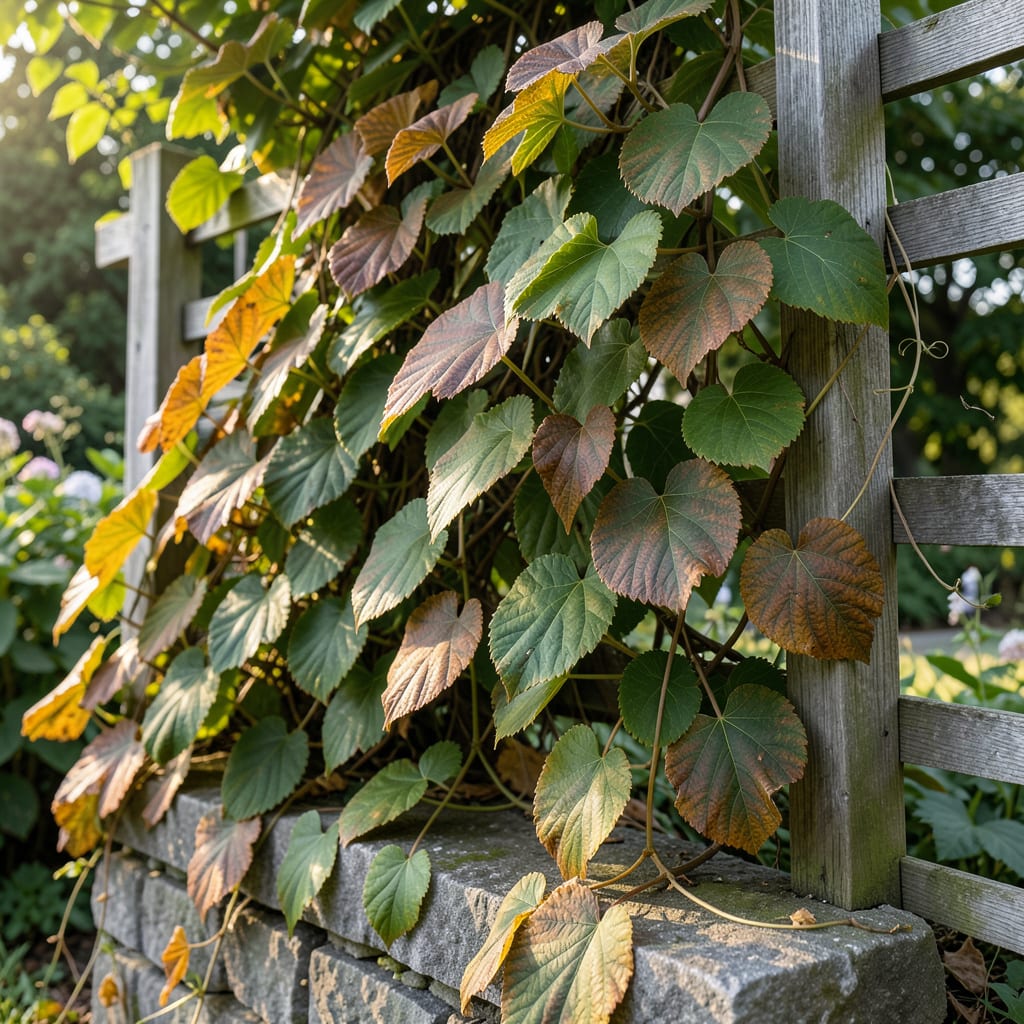
Brown leaves on your climbing hydrangea don’t mean it’s dying—just that it’s trying to tell you something. I’ve seen this happen with mine after a brutal summer heatwave, and the fix was simpler than I expected.
Usually it’s sunburn, fungal issues, or water stress. The leaves crisp up at the edges first, or develop dark spots. My vine bounced back within 2 weeks once I adjusted its care.
You’ll learn to spot the difference between drought damage and disease. The solution might be as easy as moving your plant or changing how you water it.
Works for vines in sun or shade, new plantings or established climbers. Let’s figure out what your hydrangea needs.
Climbing hydrangea leaves turn brown for several specific reasons, often tied to environmental stress or disease. Understanding these causes helps you address the issue effectively.
Too much direct sunlight can scorch the leaves, leading to brown, crispy edges. Climbing hydrangeas prefer partial shade, especially in hot climates. Prolonged exposure to intense sunlight disrupts photosynthesis, causing leaf tissue to die.
Both underwatering and overwatering can trigger browning. Drought stress leads to dry, brittle leaves, while waterlogged roots suffocate the plant, preventing nutrient uptake. Aim for consistent moisture without soggy soil.
Pathogens like Anthracnose or Leaf Spot thrive in damp conditions, causing brown or black patches. These fungi spread quickly, especially in poor air circulation. Copper-based fungicides or improved airflow can help control outbreaks.
Sudden frosts or heatwaves shock the plant, leading to leaf discoloration. Climbing hydrangeas are hardy but may struggle in extreme fluctuations. Mulching and strategic planting can mitigate temperature stress.
Nutrient deficiencies (e.g., magnesium or iron) or excessive soil salinity can cause browning. A pH test (ideal range: 5.5–6.5) and balanced fertilizer ensure healthy foliage.
Addressing climbing hydrangea leaves turning brown starts with identifying the root cause. Here’s how to treat each issue and prevent future browning:
If excessive sunlight is the culprit, relocate potted plants to a shadier spot or install shade cloth (30–50% density) for in-ground hydrangeas. For immediate relief, draping a light fabric over the plant during peak sun hours (11 AM–3 PM) can help. Water deeply in the early morning to hydrate stressed foliage.
Prevention tip 💡: Plant climbing hydrangeas on north- or east-facing walls where direct afternoon sun is limited.
Check soil moisture by sticking your finger 1–2 inches deep—if it’s dry, water thoroughly until the top 6 inches are damp. Mulch with 2–3 inches of organic matter (e.g., bark or compost) to retain moisture. Avoid wetting the leaves to prevent fungal issues.
Prevention tip 🌡️: Use a soil moisture meter to track hydration levels, especially in hot climates.
For leaf spot or powdery mildew, prune infected leaves and dispose of them in the trash (not compost). Apply a copper-based fungicide or neem oil spray every 7–10 days until the issue resolves. Space plants to ensure good airflow, and avoid overhead watering.
Prevention tip ✨: Water at the base of the plant early in the day so foliage dries quickly.
If low humidity or wind is drying out leaves, group plants together to create a microclimate or use a humidifier for potted hydrangeas. For wind damage, erect a windbreak or move the plant to a sheltered location.
Prevention tip 🎯: Regularly mist leaves in dry conditions, but do this in the morning to avoid overnight dampness.
Sunburn causes crispy edges on leaves facing direct light, while underwatering makes leaves dry and papery all over. Check soil moisture 2 inches deep to confirm.
No, damaged leaves won’t recover, but new growth will be healthy once you fix the issue. Remove severely browned leaves to help the plant focus energy elsewhere.
Yes, but if your tap water is hard, consider using rainwater occasionally. Salt buildup from tap water can contribute to leaf browning over time.
Apply copper-based fungicide every 7-10 days until spots disappear. Always treat in the morning and avoid applying during rain.
