
Beautiful Plants For Your Interior
Beautiful Plants For Your Interior
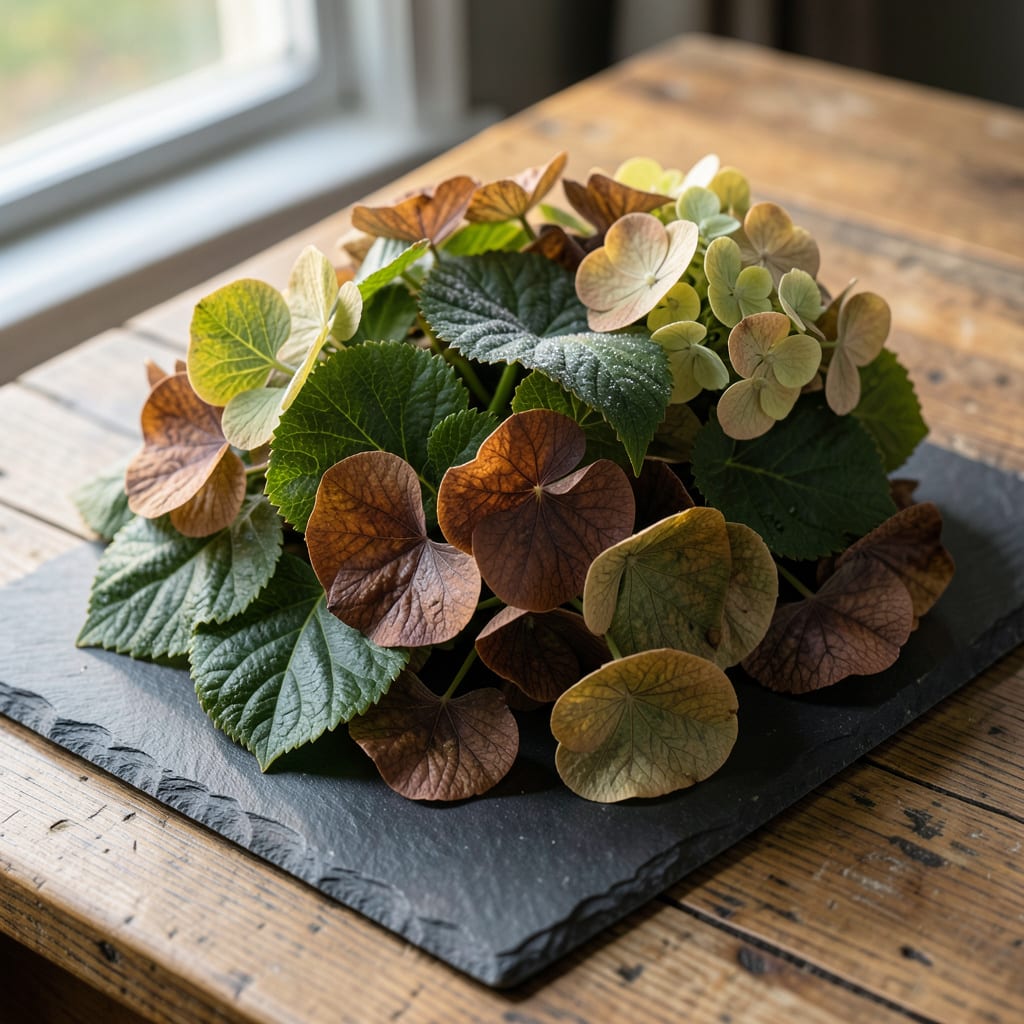
Brown leaves on your climbing hydrangea are a distress signal, not a death sentence. I’ve nursed plenty back to health with the right adjustments.
Usually, it’s water stress, fungus, or nutrients throwing the plant off. The fix starts with checking soil moisture—too dry or soggy both cause browning.
Once you pinpoint the issue, a little pruning and targeted care bring those leaves back to vibrant green faster than you’d expect.
Prevention is simpler than cure: consistent watering, good airflow, and a seasonal fertilizer keep problems from returning.
Climbing hydrangeas (Hydrangea petiolaris) develop brown leaves due to several environmental, cultural, or pathological stressors. Below are the most common causes, explained with actionable insights.
Inconsistent watering disrupts the plant’s ability to transport nutrients. Overwatering suffocates roots, leading to oxygen deprivation and root rot, which manifests as brown, wilting leaves. Conversely, underwatering causes dehydration, turning leaf edges crispy and brown. Hydrangeas prefer moist but well-drained soil—check the top 1–2 inches of soil before watering.
Climbing hydrangeas thrive in partial shade. Prolonged exposure to intense sunlight (especially afternoon rays) can scorch foliage, producing brown patches or margins. Heat stress also accelerates water loss. If leaves brown during summer, provide dappled shade or relocate potted plants.
Frost or sudden cold snaps damage tender new growth, resulting in blackened or brown leaves. Similarly, heatwaves above 90°F (32°C) can stress the plant. Mulch around the base to insulate roots, and use burlap wraps in winter for young vines.
Pathogens like Phyllosticta leaf spot or bacterial leaf blight cause irregular brown spots with yellow halos. Overhead watering and poor air circulation exacerbate these issues. Action: Remove infected leaves, improve airflow, and apply copper-based fungicides preventatively.
A lack of magnesium or iron can trigger interveinal browning (leaves brown between veins). Test soil pH—hydrangeas prefer slightly acidic (5.5–6.5) for optimal nutrient uptake. Amend with chelated iron or Epsom salts if deficiencies are confirmed.
Brown leaves on your climbing hydrangea can be frustrating, but with the right approach, you can restore its lush green foliage. Below are targeted solutions for each common cause, along with prevention tips to keep your plant thriving.
If your hydrangea is exposed to harsh afternoon sun, move it to a spot with partial shade, especially during peak heat hours. For established plants, use shade cloth to filter intense light.
Prevention tip: 💡 Plant climbing hydrangeas in east-facing locations where they get gentle morning sun and afternoon shade.
Check soil moisture by sticking your finger 1-2 inches deep. If dry, water deeply at the base; if soggy, improve drainage by amending the soil with compost or creating small trenches to redirect water.
Prevention tip: 🌡️ Water consistently—about 1-2 inches per week—and use mulch to retain moisture without waterlogging.
For leaf spot or powdery mildew, remove affected leaves and apply a fungicide (copper-based or neem oil). Ensure good air circulation by pruning dense growth.
Prevention tip: ✨ Space plants properly and avoid overhead watering to keep foliage dry.
Test your soil’s pH (hydrangeas prefer 5.2–6.2). If too alkaline, add sulfur or peat moss; if too acidic, use lime. Feed with a balanced fertilizer (10-10-10) in spring, but avoid over-fertilizing.
Prevention tip: 🎯 Apply compost annually to maintain nutrient-rich soil naturally.
Inspect leaves for aphids, spider mites, or scale. Blast them off with water or treat with insecticidal soap. For severe cases, use horticultural oil.
Prevention tip: 🔥 Encourage beneficial insects like ladybugs by planting companion flowers nearby.
Yes, if the stems remain green and flexible. Trim off brown leaves to redirect energy to healthy growth. Focus on fixing the root cause, like adjusting water or shade.
Water consistently, ensuring soil stays moist but not soggy. Provide partial shade and improve airflow. Mulch helps retain moisture and regulate temperature.
No, once leaves turn brown, they won’t recover. However, new healthy growth will emerge once the underlying issue is resolved. Prune damaged leaves to encourage fresh foliage.
Only if a soil test confirms a deficiency. Over-fertilizing can worsen stress. Use a balanced fertilizer sparingly in spring, and avoid high-nitrogen products in summer.
