
Beautiful Plants For Your Interior
Beautiful Plants For Your Interior
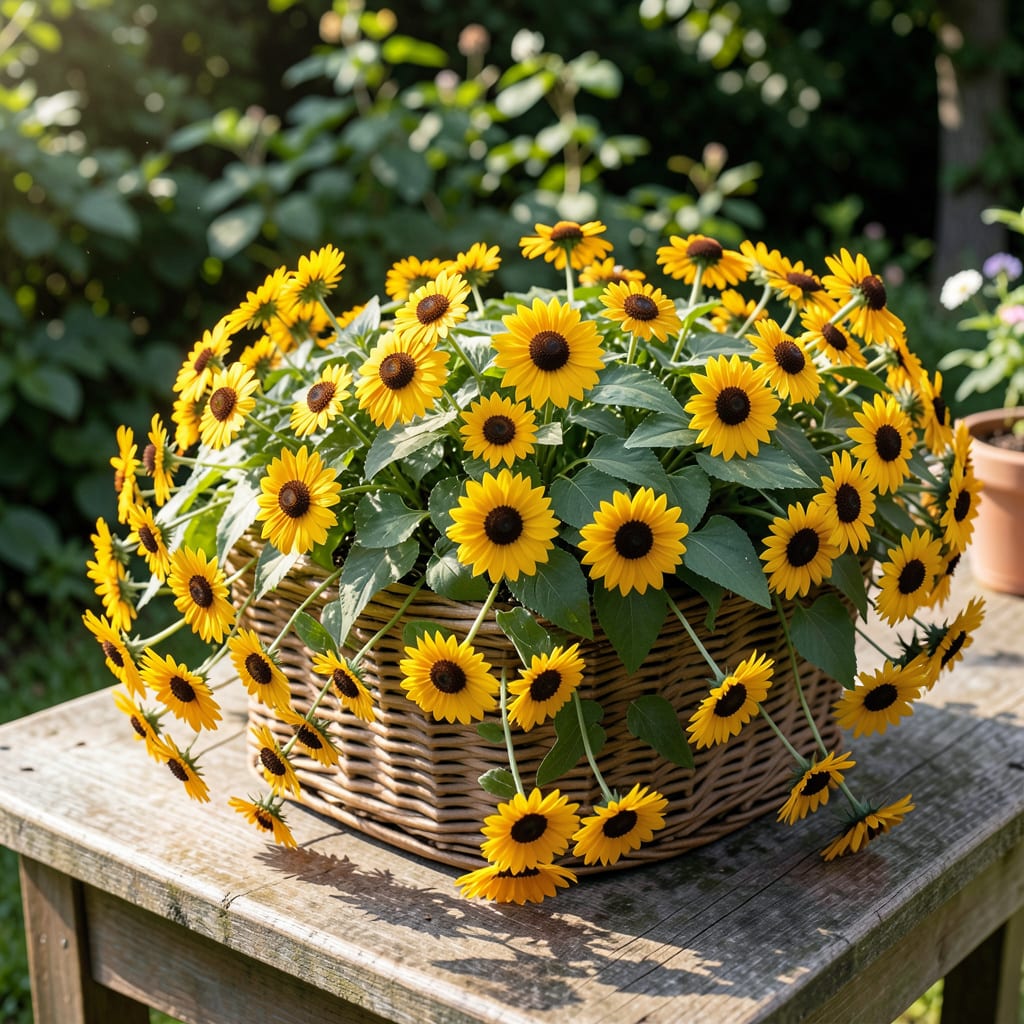
This vine transformed my boring fence into a summer-long wildflower show. Climbing black-eyed Susan twines upward with cheerful golden blooms that keep coming from June through frost.
It thrives in full sun with minimal care, tolerating poor soil and drought once established. The key is giving it something tall to climb—6-8 feet of trellis, fence, or arbor—and watching it take off.
📚 In This Guide
This vigorous vine thrives with proper support and consistent care throughout the growing season.
Choose a location with full sun to partial shade, as climbing black eyed Susan performs best with at least 6 hours of direct sunlight daily. The soil should be well-draining with a pH between 6.0 and 7.0—test it with a kit if you’re unsure.
Amend the area with compost to improve fertility and drainage. I always loosen the soil to a depth of 12-18 inches to encourage deep root establishment. This vine tolerates a range of soil types but struggles in heavy, waterlogged clay.
Erect a trellis, fence, or arbor that can support the vine’s rapid growth and weight. Climbing black eyed Susan reaches 10-20 feet in a single season, so the structure must be at least 6-8 feet tall and securely anchored.
I use a bamboo or metal trellis with horizontal crossbars spaced 12-18 inches apart to give the tendrils plenty to grab. Without proper support, the vine will sprawl uncontrollably and may break under its own weight during heavy rain or wind.
Dig a hole twice as wide and just as deep as the root ball. Place the plant in the hole, ensuring the top of the root ball is level with the surrounding soil. Backfill with native soil and press gently to remove air pockets.
Water deeply after planting, soaking the soil until it’s moist to a depth of 6-8 inches. I apply a 2-3 inch layer of mulch around the base to retain moisture and suppress weeds, but keep it 2 inches away from the stem to prevent rot.
As the vine grows, gently weave its tendrils through the support structure. Do this early—once stems harden, they become brittle and snap easily. I check the vine every 3-4 days during active growth to redirect new shoots.
Watch for the first signs of flowering, which typically appear 8-12 weeks after planting. The blooms start as tight buds and open into the classic daisy-like flowers with dark centers. This is when the vine’s vertical impact becomes most dramatic.
Water consistently, aiming for 1-1.5 inches per week, more during extreme heat. Let the top 1-2 inches of soil dry between waterings to prevent root rot. I water at the base to keep foliage dry and reduce disease risk.
Prune lightly after the first flush of blooms to encourage a second wave. Remove spent flowers and any dead or diseased stems. Avoid heavy pruning late in the season, as this can reduce the vine’s winter hardiness in colder zones.
Here’s what I’ve learned from years of growing this vigorous vine to help you avoid the most common pitfalls.
Sunlight Strategy: The 6 hours of direct sunlight daily requirement isn’t just a suggestion—it’s critical for vibrant blooms. If your space only gets partial shade, position the vine where it catches morning sun, which is less intense than afternoon rays. This prevents leaf scorch while still meeting its energy needs.
Soil Preparation Insight: Loosening the soil to 12-18 inches deep makes a noticeable difference in root development. I’ve seen vines in shallow, compacted soil struggle to anchor properly, especially in windy conditions. If your soil is heavy clay, consider planting in raised beds instead.
Support Structure Tip: That 6-8 feet tall trellis minimum isn’t arbitrary—this vine grows fast. I once used a 5-foot structure and spent the summer constantly retraining vines that had outgrown their support. Also, space those horizontal crossbars 12-18 inches apart as specified; wider spacing makes it harder for tendrils to grip.
Watering Wisdom: The 1-1.5 inches per week guideline works perfectly, but here’s the key: water deeply and less frequently rather than daily light sprinkles. This encourages those deep roots we prepped for in Step 1. And always keep that 2-inch gap between mulch and stem—rot starts where moisture collects against the base.
While it tolerates partial shade, this vine thrives in full sun (6+ hours daily). Shade may reduce blooms and vigor.
This vigorous vine can grow 10–20 feet per season with proper support and ideal conditions. Expect rapid growth in warm climates.
Use sturdy trellises, fences, or arbors. Its twining stems need vertical structures to climb effectively. Avoid flimsy supports.
Plant in spring after the last frost or in early fall. Warm soil and mild weather help establish roots before extreme temperatures.
Lack of sunlight, poor soil, or over-fertilization (especially high nitrogen) can delay blooms. Ensure full sun and balanced care.
