
Beautiful Plants For Your Interior
Beautiful Plants For Your Interior
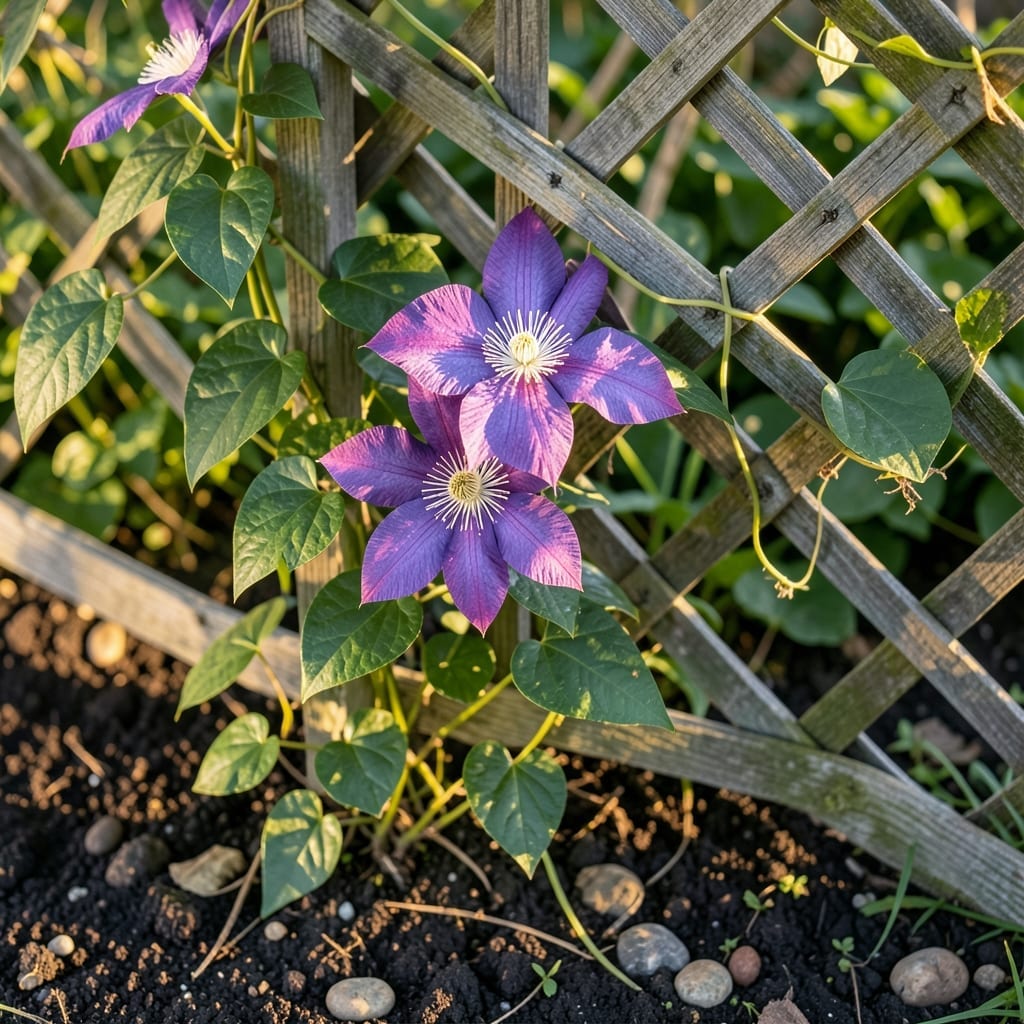
Clematis vines can transform any garden with their stunning blooms, but getting their sun requirements right is the key to vibrant, healthy growth.
Too much or too little light can mean the difference between a thriving 🌸 Clematis and a struggling one. These beautiful climbers have specific needs that many gardeners overlook.
I’ve seen firsthand how the right sunlight exposure brings out the most spectacular flowers. Whether you’re planting in zones 4-9 or adjusting for your local climate, understanding these needs is crucial.
Discover how to give your Clematis the perfect balance of sun and shade for those show-stopping blooms you’ve been dreaming about.

If you’ve ever admired a clematis vine covered in blooms, you know its sun requirements are the secret to success. Different clematis varieties have unique needs based on their native habitats and blooming cycles. Some thrive in full sun, while others prefer partial shade to protect their delicate petals.
Early bloomers like Clematis montana often do well with morning sun and afternoon shade. Late bloomers, such as Clematis viticella, can handle more direct sunlight, especially in cooler climates. Evergreen types, like Clematis armandii, benefit from dappled shade to prevent leaf scorch.
| Variety | Sun Requirement | Notes |
|---|---|---|
| Early Bloomers | Morning sun + afternoon shade | Protects delicate early flowers |
| Late Bloomers | Full sun to partial shade | Handles 6+ hours of direct light |
| Evergreen Types | Dappled shade | Prevents leaf scorch in hot climates |
| Large-Flowered Hybrids | Full sun on tops, shade on roots | Classic “head in sun, feet in shade” rule |
I’ve found that large-flowered hybrids follow the classic rule: “head in the sun, feet in the shade.” This means the vine’s upper growth and blooms need full sun, while the root zone stays cool and shaded. This balance encourages vibrant flowers and healthy foliage.
In hotter regions, even sun-loving clematis may need protection during the hottest part of the day. A light shade cloth or strategic planting near taller plants can help. In cooler climates, more sun exposure is generally better for abundant blooms.
For evergreen clematis, like Clematis armandii, consistent moisture and filtered light are key. These varieties often struggle in intense afternoon sun, which can bleach their leaves and reduce vigor. A north or east-facing wall is ideal.
If you’re unsure about your clematis variety, observe its natural growth pattern. Vines that climb aggressively often need more sun, while delicate or slow-growing types may prefer shadier conditions. Always check the plant tag for specific guidance.
Remember, microclimates in your garden can affect sun exposure. A west-facing wall might provide too much heat, while a shaded patio could be too dim. Adjust your planting spot accordingly.
Finally, don’t forget that young clematis plants are more sensitive to sun stress. Give them extra shade during their first growing season to establish strong roots before exposing them to fuller sun. ☀️
Getting the sun exposure right for your clematis starts with understanding its natural preferences. Most varieties thrive with 6+ hours of sunlight on their tops while keeping their root zone shaded and cool.
A simple trick I use is planting low-growing perennials or mulch at the base to protect the roots from overheating while allowing the vines to climb into brighter areas.
In hotter USDA zones 7-9, afternoon shade becomes crucial to prevent leaf scorch. I’ve found that climbing roses or honeysuckle can provide just the right amount of filtered light.
For containers, position them where they get morning sun and afternoon shade.
If your garden has limited sun, choose Group 1 clematis like Clematis montana which tolerates more shade than other varieties. Even these prefer some direct light for best flowering.
Monitor your plants closely. If you notice pale leaves or fewer blooms, it might need more light. Conversely, brown leaf edges often indicate too much sun exposure.
With the right balance, your clematis will reward you with vibrant blooms and healthy growth season after season ☀️🌿