
Beautiful Plants For Your Interior
Beautiful Plants For Your Interior
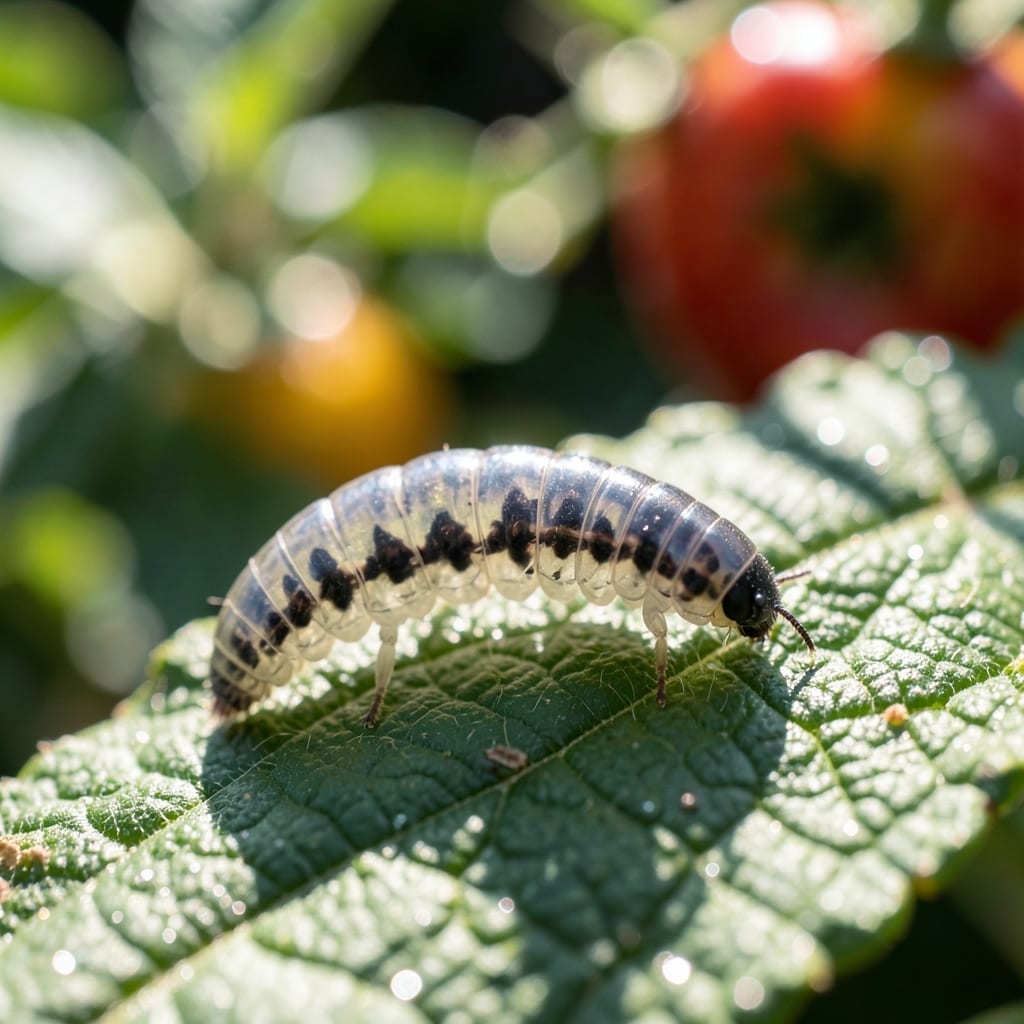
I found my first clear larvae with black insides in my squash patch last July. These pests aren’t just creepy—they’re destructive, burrowing into stems and leaves while you’re not looking.
The damage shows up fast: wilting vines, yellowing leaves, and stunted growth. They target cucumbers, tomatoes, and peppers most often, but I’ve seen them attack beans too. Catching them early is key to saving your plants.
Hand-picking works for small infestations, but the real solution is preventing them from laying eggs in the first place. Row covers and crop rotation saved my garden after that first bad year.
This guide shows you exactly how to spot, treat, and stop these pests before they take over. Your plants will thank you.
Understanding why larvae appear clear with dark interiors is key to addressing the issue in your garden. Here are the most common causes:
Bacteria like Bacillus thuringiensis or Serratia marcescens can infect larvae, leading to internal necrosis. As the bacteria multiply, they break down the larvae’s organs, causing a blackened appearance while the outer cuticle remains transparent. This often happens in warm, moist conditions where bacteria thrive.
Fungi such as Beauveria bassiana or Metarhizium anisopliae invade larvae, germinating inside their bodies. The fungal hyphae consume internal tissues, turning them dark as they decompose. The larval exoskeleton may stay clear, creating the stark contrast. Overwatered soil or dense plant foliage can encourage fungal outbreaks.
Some wasp species lay eggs inside larvae. As the wasp larvae develop, they feed on the host from within, liquefying its organs. The host’s outer layer remains intact and translucent, while the consumed insides darken. This is a natural form of biological control but can be alarming to observe.
Extreme heat or chemical exposure (e.g., pesticides) can cause internal damage without affecting the outer skin. The larvae’s digestive tract or other organs may darken due to oxidative stress or toxicity, while the exoskeleton stays clear. Poor ventilation or direct sunlight can exacerbate this.
Dealing with clear larvae with black insides in your garden requires quick action to prevent further damage. Below are targeted solutions based on common causes, along with prevention tips to keep your plants safe.
If soggy soil is attracting larvae, start by reducing watering frequency and ensuring pots or garden beds have proper drainage. Add organic matter like compost to improve soil structure. For potted plants, elevate them or use containers with drainage holes to prevent waterlogging.
Prevention tip: 💡 Water only when the top inch of soil feels dry, and avoid letting plants sit in saucers filled with excess water.
Decaying leaves and plant matter create the perfect breeding ground for larvae. Remove fallen leaves, dead plants, and weeds from your garden weekly. Use a mulch layer (like straw or wood chips) to discourage pests while retaining moisture.
Prevention tip: 🌡️ Keep your garden tidy, especially after pruning or harvesting, to eliminate hiding spots for larvae.
Introduce beneficial insects like ladybugs, lacewings, or parasitic wasps, which feed on larvae. For a hands-on approach, set up yellow sticky traps or use neem oil sprays (mix 1 tsp neem oil + 1 tsp dish soap per liter of water) to disrupt their life cycle.
Prevention tip: ✨ Rotate crops annually to prevent pests from establishing a permanent home in your garden.
Test your soil’s pH with a kit (available at garden centers). If it’s too acidic or alkaline, amend it with lime (to raise pH) or sulfur (to lower pH). Larvae thrive in extreme conditions, so aim for a neutral pH (6.0–7.0) for most plants.
Prevention tip: 🎯 Retest soil every 6 months and adjust as needed to maintain a balanced environment.
They commonly attack squash, cucumbers, tomatoes, and peppers. Beans and other soft-stemmed vegetables are also vulnerable.
Use row covers early in the season and rotate crops yearly. Introduce beneficial insects like ladybugs to control populations.
Yes, they burrow into stems and leaves, causing wilting, yellowing, and stunted growth. Early detection is crucial to minimize damage.
This often results from bacterial infections, fungal growth, or parasitoid wasps consuming them internally. Environmental stress can also cause this appearance.