
Beautiful Plants For Your Interior
Beautiful Plants For Your Interior
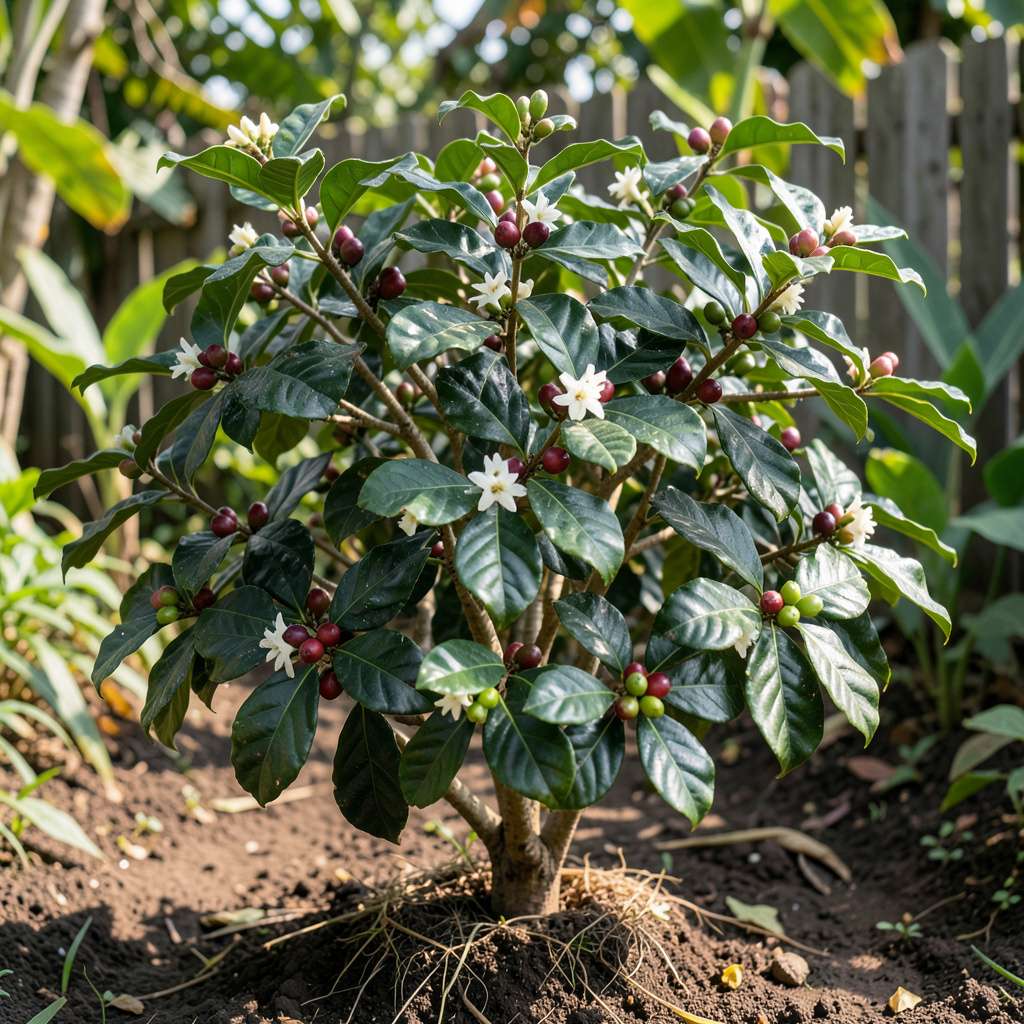
Citrus mealybugs on coffee plants feed on sap, weakening plants and spreading disease. They thrive in warm, humid conditions and can be controlled with insecticidal soaps, neem oil, or predatory insects like ladybugs.
The presence of these pests can significantly impact the vitality of coffee plants. 🌱 They not only extract vital nutrients but can also transmit pathogens, leading to further health issues. I recommend regularly inspecting plants for signs of infestation and employing integrated pest management strategies to minimize damage while promoting a healthy environment for beneficial insects.
Utilizing a combination of organic treatments and natural predators ensures a more balanced approach. This not only helps protect my plants but also supports the ecosystem around them. By creating a diverse garden, I can effectively manage pest populations while enjoying the beauty and bounty of my coffee plants. 🌟
💡 In This Article
The life cycle of citrus mealybugs consists of several stages: egg, nymph, and adult. These pests reproduce rapidly, with females laying up to 600 eggs in a single batch. The nymphs emerge and begin feeding on the sap of coffee plants, extracting essential nutrients and leaving behind a sticky residue known as honeydew.
This substance attracts other pests and can lead to sooty mold growth, further harming the plant. 🐞
Mealybugs prefer warm and humid environments, thriving in conditions between 75°F and 90°F. Their feeding habits weaken coffee plants by stunting growth and diminishing yield. Over time, infested plants may exhibit yellowing leaves, wilting, and reduced fruit production. Affected plants often struggle to recover, leading to long-term health issues that can affect entire crops. 🌱
Effective management of mealybug infestations begins with early detection. Regularly inspecting plants for signs of these pests is crucial. If you notice mealybugs, consider using organic solutions like insecticidal soaps or neem oil, which disrupt their life cycle and deter feeding.
Applying these treatments during the early morning or late afternoon can enhance effectiveness while minimizing harm to beneficial insects. 🔍
In addition to organic options, introducing natural predators like ladybugs or parasitic wasps can help control mealybug populations. These beneficial insects feed on mealybugs, providing a sustainable method of pest control. Creating a balanced ecosystem in your garden supports these natural allies, allowing them to thrive and protect your coffee plants from infestations. 🌼
Temperature and humidity play significant roles in the success of your pest control methods. Keeping your coffee plants in areas with good air circulation can deter mealybug infestations by creating less favorable conditions for their development. Regular pruning to improve airflow also benefits overall plant health and productivity.
In conclusion, managing citrus mealybugs requires a multifaceted approach involving regular monitoring, organic treatments, and fostering beneficial insect populations. By understanding their life cycle and environmental preferences, you can protect your coffee plants effectively while promoting a vibrant garden ecosystem. 🌟
