
Beautiful Plants For Your Interior
Beautiful Plants For Your Interior
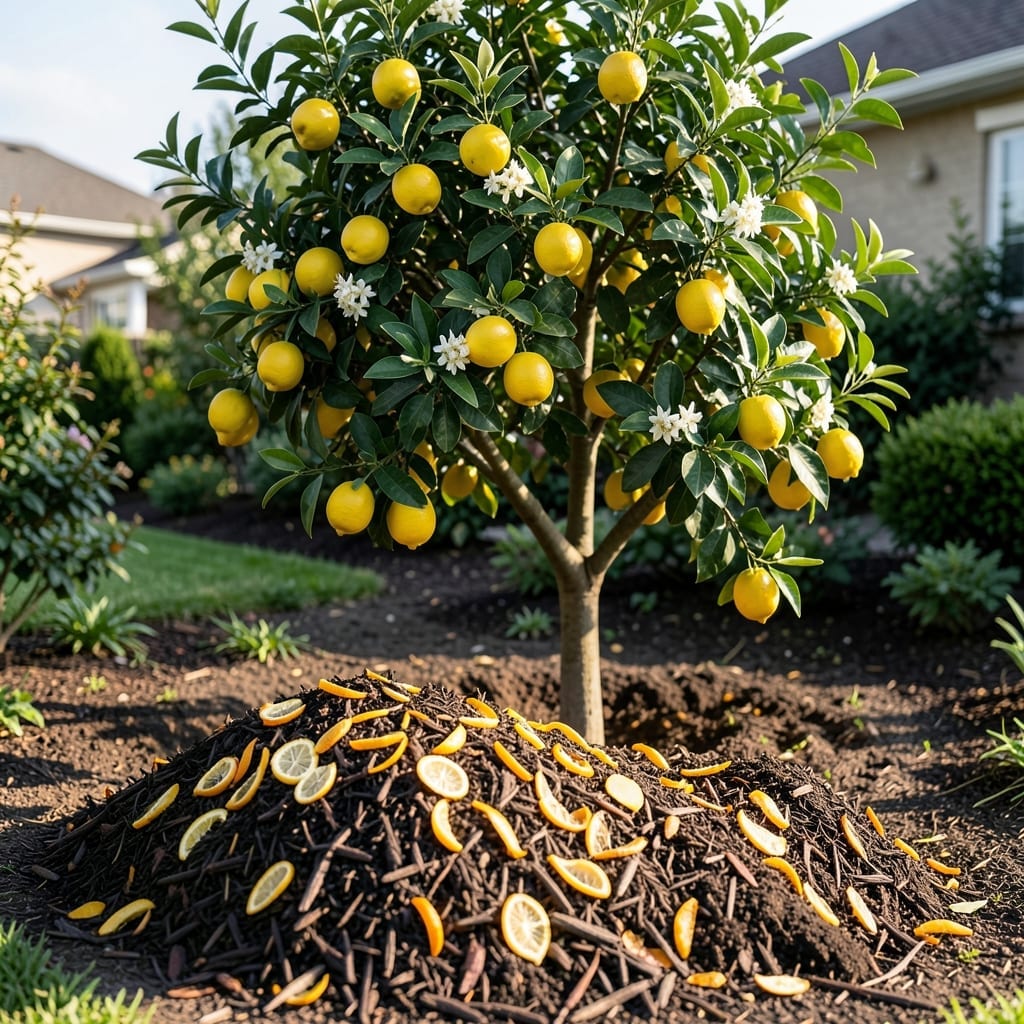
Citrus peels and fruit can be composted in moderation. Their acidity breaks down quickly, but large amounts may slow decomposition or harm beneficial microbes.
I’ve found that adding small amounts of orange or lemon peels actually boosts microbial diversity in my compost. The key is balance—too much acid can disrupt the pH levels, but a handful mixed with yard waste creates ideal conditions. I always chop the peels finely to speed up the process and avoid clumping. ✨
💡 In This Article
Citrus contains citric acid and limonene, compounds that give it a pH of about 2-3. This acidity can temporarily lower your compost’s pH, creating conditions that slow down beneficial bacteria and fungi. However, most compost piles naturally buffer this effect as the organic matter breaks down.
The key is volume—1-2 cups of peels per cubic foot of compost won’t disrupt the balance. ✨
Microbial communities in compost thrive in a pH range of 6.0-7.5. When citrus is added in excess, it can drop the pH below 5.0, stressing these microorganisms. Worms are particularly sensitive, often avoiding areas with high citrus concentration. Yet, in small amounts, the acidity actually stimulates certain bacteria that accelerate the breakdown of other materials.
🔥
What surprises many is how quickly citrus decomposes. The peels, rich in nitrogen, typically break down within 2-3 months when chopped into 1-inch pieces. This is faster than many gardeners expect, as the oils in the rind initially repel some decomposers but eventually become food for specialized microbes. 💫
The real magic happens in the carbon-to-nitrogen ratio. Citrus peels have a C:N ratio of about 20:1, making them a “green” material. When balanced with “browns” like dry leaves (40:1), they create the ideal 30:1 ratio that microorganisms love. This balance prevents the acidity from becoming problematic while providing essential nutrients. ⚡
Temperature also plays a role. In active compost piles reaching 130-160°F, citrus breaks down even faster. The heat accelerates microbial activity, which in turn neutralizes the acid more quickly. Cold compost piles may take 6-12 months to fully process citrus, but the end result is the same: rich, nutritious humus. 🌟
In small amounts, no—citrus peels break down safely. Add no more than 1-2 cups per cubic foot of compost to avoid disrupting pH balance. The acidity dissipates as microbes process the material.
Chopped into 1-inch pieces, citrus peels typically break down in 2-3 months in an active pile. In cold compost, expect 6-12 months. The oils slow initial decomposition but eventually feed specialized microbes.
Yes, moldy citrus can introduce harmful pathogens. If you must compost it, bury it deep in a hot pile reaching 130-160°F to kill spores. Fresh peels are always the safer choice.
It’s better to chop them first. Whole fruits take much longer to break down and may attract pests. Cutting them into smaller pieces speeds up decomposition and prevents clumping.