
Beautiful Plants For Your Interior
Beautiful Plants For Your Interior
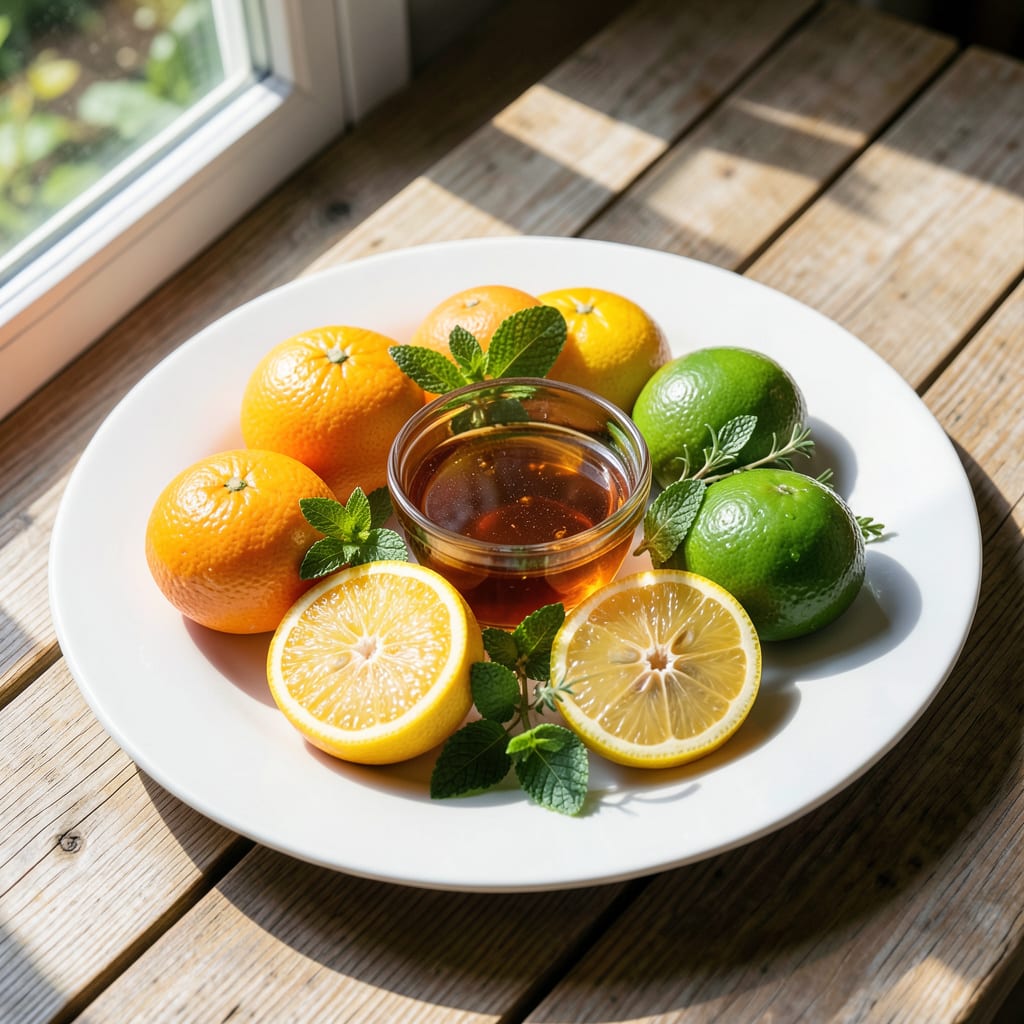
Those dark, sunken spots on your citrus leaves aren’t just ugly—they’re a warning. I’ve lost entire lemon crops to black spot before learning how to stop it in its tracks.
This fungal invader thrives in warm, wet conditions, and it spreads fast if you don’t act. The good news? Organic treatments work just as well as harsh chemicals, and they won’t harm your soil or the fruit you’re growing.
You’ll see new, healthy growth within weeks of starting treatment. The key is consistency—hitting the fungus early and often before it takes over your trees.
Works for oranges, lemons, limes, and grapefruit. Here’s how to save your harvest.
Citrus black spot is a fungal disease caused by Guignardia citricarpa, which thrives in warm, humid environments. Understanding its root causes helps in prevention and targeted treatment. Below are the primary factors that lead to its development:
The fungus prospers in high humidity (above 85%) and temperatures between 68–86°F (20–30°C). Prolonged leaf wetness (from rain, dew, or overhead irrigation) creates the perfect breeding ground. Regions with frequent rainfall or poor air circulation are especially vulnerable.
G. citricarpa spreads via contaminated soil, tools, or infected citrus debris (e.g., fallen leaves, fruit, or pruned branches). Even asymptomatic trees can harbor the fungus, which releases spores during wet conditions. Using unsterilized equipment or planting in previously infected soil can introduce the pathogen.
Overcrowded trees, lack of pruning, or improper sanitation (e.g., leaving fallen fruit to rot) increase disease pressure. Dense canopies reduce airflow, trapping moisture and accelerating spore germination. Additionally, nutrient deficiencies (e.g., low potassium or calcium) weaken trees, making them more susceptible.
The disease is endemic in many citrus-growing regions, including Florida, Brazil, and South Africa. Wind, water, or human activity (e.g., transporting infected fruit) can carry spores to new areas. Quarantine restrictions exist in some countries to prevent its introduction.
Proactive measures—like improving drainage, sanitizing tools, and applying copper-based fungicides—can mitigate these causes. Early detection of symptoms (e.g., hard spots on fruit) is key to stopping its spread.
Citrus black spot can be managed effectively with targeted solutions. Below are practical fixes for the most common causes, along with prevention tips to keep your trees healthy.
If black spots appear due to Guignardia citricarpa, treat trees with copper-based fungicides (e.g., copper oxychloride or Bordeaux mixture). Spray every 2–3 weeks during wet seasons or after rain. Pro tip 💡: Apply in the early morning or late evening to avoid leaf burn.
Fungus thrives in damp conditions. Prune dense branches to boost airflow, and clear fallen leaves/debris around the tree base. For potted citrus, use well-draining soil and avoid overwatering. Pro tip 🌡️: Water at the soil level, not the leaves, to reduce humidity.
Weak trees are more susceptible. Fertilize with balanced citrus feed (e.g., 10-10-10 NPK) and add compost for organic matter. Zinc and potassium deficiencies can worsen infections—supplement if soil tests confirm shortages. Pro tip ✨: Mulch with wood chips to retain moisture without waterlogging.
Pests like citrus leafminers create entry points for fungi. Inspect trees weekly and remove damaged fruit or leaves. Introduce beneficial insects (e.g., ladybugs) or use neem oil for organic pest control.
Prevention Summary:
Apply copper-based fungicide every 2-3 weeks during wet seasons or after heavy rain. Consistency is key to preventing spore spread.
Yes! Neem oil or baking soda sprays work well for mild cases. Remove and destroy infected fruit immediately to stop the cycle.
Prune dense branches to open the canopy and remove fallen debris. Space trees at least 8-10 feet apart for optimal airflow.
Yes, but remove the spots first. The fungus only affects the peel, not the fruit inside. Still, it’s best to harvest before symptoms worsen.
