
Beautiful Plants For Your Interior
Beautiful Plants For Your Interior
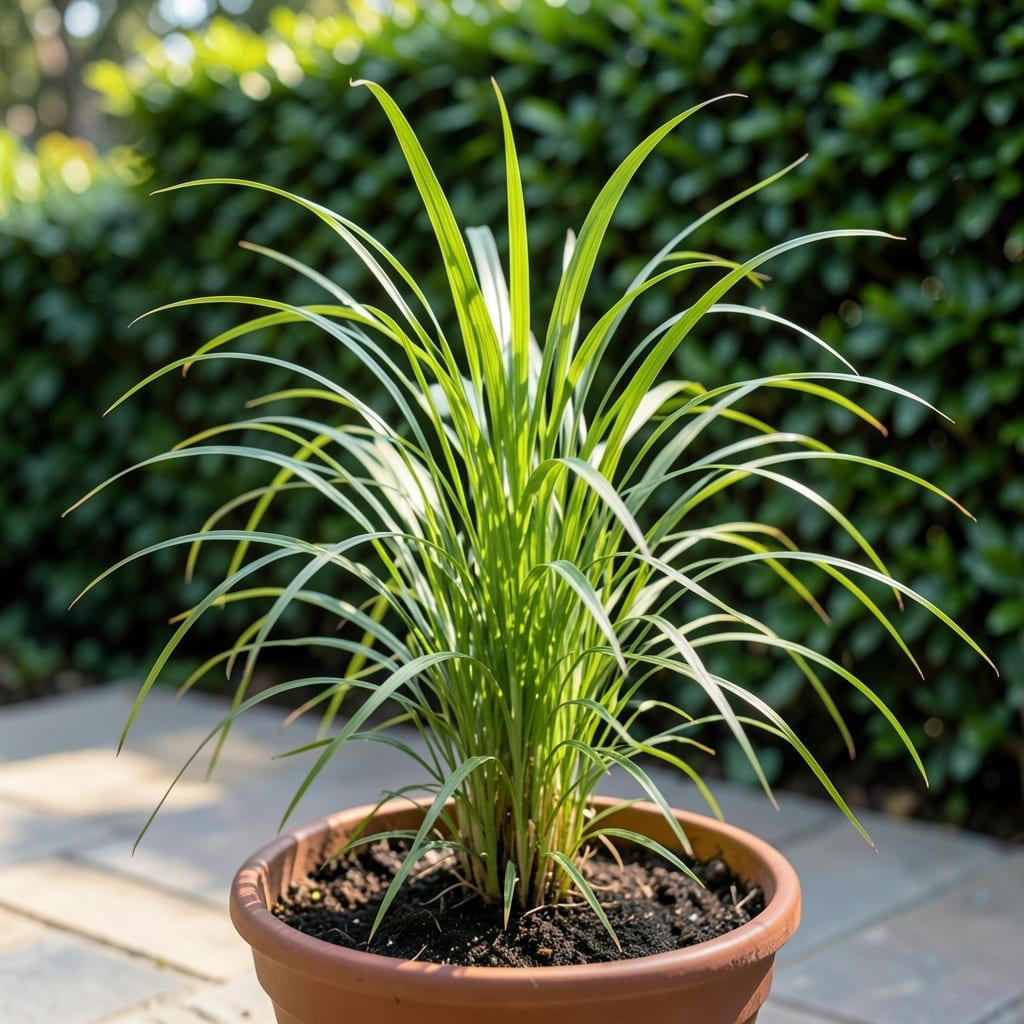
Growing Citronella successfully starts with understanding its sun needs—get this wrong, and your natural mosquito repellent might struggle to thrive.
The 🌿Citronella plant demands plenty of light to produce its signature oils. Without the right exposure, you risk weak growth and poor pest-repelling power.
I’ll walk you through the ideal daily sunlight, shade tolerance, and climate-specific tips to keep your Citronella flourishing.
Discover how to position your plants for maximum sun and watch them become your garden’s most effective summer ally.

If you want thriving citronella plants that effectively repel mosquitoes, sunlight is non-negotiable. These tropical grasses crave bright, direct light to produce the oils that make them so valuable in the garden.
In my experience, citronella plants need a minimum of 6 hours of full sun daily. However, they truly flourish with 8-12 hours of direct sunlight, especially in warmer climates.
| Requirement | Specification |
|---|---|
| Minimum Daily Sun | 6 hours |
| Optimal Daily Sun | 8-12 hours |
| Light Type | Direct sunlight |
| Shade Tolerance | Low |
| Best Window Direction | South-facing |
For gardeners in cooler climates or shorter growing seasons, I recommend maximizing sun exposure. Place your citronella where it gets morning to afternoon sun, as this is when light intensity is highest.
The oil production that gives citronella its mosquito-repelling properties is directly tied to sunlight. Plants grown in partial shade often produce less oil, making them less effective at keeping pests away.
In USDA zones 9-11, where citronella thrives as a perennial, you can plant it in full sun locations without worry. These plants are built for heat and bright light in their native tropical environments.
For container growing, I always suggest south-facing patios or balconies. If that’s not possible, west-facing locations can work, though you might need to supplement with grow lights in very shaded areas.
Remember that seasonal changes affect sunlight intensity. In summer, your citronella might handle full sun all day, but in spring or fall, you might need to adjust its position to catch those extra rays.
I’ve found that citronella plants in full sun not only grow taller and bushier but also have a stronger citrus scent, which is exactly what you want for natural pest control.
If you notice your plant leaning toward the light or looking sparse, it’s likely begging for more sun. Don’t be afraid to move potted citronella to sunnier spots as the season progresses ☀️
If your citronella plant looks weak or sparse, sunlight deprivation is often the culprit. These tropical grasses need full sun to produce the oils that repel mosquitoes effectively.
Watch for leggy growth, where stems stretch thinly toward light, or pale yellow leaves, which signal chlorosis from insufficient photosynthesis. Weak stems that flop over are another red flag.
Warning: Insufficient Sunlight
Move your citronella to a sunnier spot immediately. Without 6+ hours of direct sun, oil production drops, reducing its mosquito-repelling power.
In northern climates, citronella may need container growing to chase sunlight. Rotate pots weekly to ensure even exposure. In hot zones, afternoon shade can prevent scorching.
Check for uneven growth, where one side leans toward light. This means your plant isn’t getting balanced sun exposure and needs repositioning.
If you notice fewer leaves or stunted growth, increase sunlight gradually. Sudden exposure can shock the plant, so acclimate it over 7-10 days.
For maximum oil production, ensure your citronella gets morning sun, which is less intense than afternoon rays but equally effective for photosynthesis. ☀️