
Beautiful Plants For Your Interior
Beautiful Plants For Your Interior
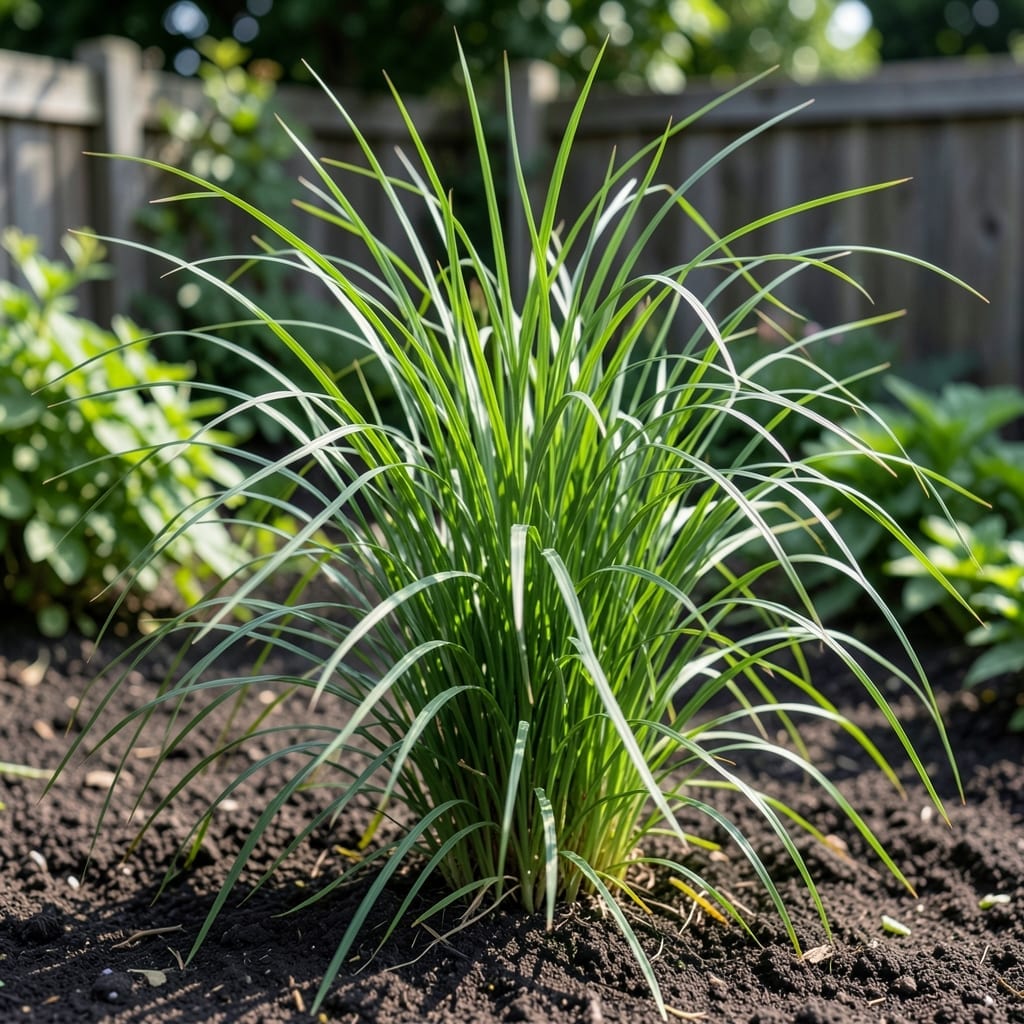
Growing Citronella plants is your natural ticket to a mosquito-free outdoor space, but getting the conditions right is key to unlocking their full pest-repelling potential.
The 🌿 Citronella plant thrives when given the proper care, and I’ll show you exactly how to create the perfect environment for it to flourish. Whether you’re planting in containers or directly in the ground, the right setup makes all the difference.
From soil type to sunlight exposure, every detail matters. I’ve tested various growing conditions, and what I’ve learned will help you avoid common pitfalls. Let’s discover how to give your Citronella the best start.
By the end, you’ll know how to nurture a healthy, vibrant plant that keeps those pesky mosquitoes at bay all season long. Ready to get started?
To grow citronella plants that effectively repel mosquitoes, you need to nail the basics. I’ve found that these tropical beauties thrive when their growing conditions mimic their native environment as closely as possible. Start with the right foundation, and your plants will reward you with lush growth and strong scent. Well-draining soil is non-negotiable to prevent root rot.
Citronella plants are sun-worshippers. They need 6+ hours of direct sunlight daily to produce the oils that keep pests away. If you’re in a hot climate, a bit of afternoon shade can prevent leaf scorch, but don’t skimp on the light. Consistency in watering is key—keep the soil moist but never soggy.
| Requirement | Specification |
|---|---|
| Soil Type | Well-draining, slightly acidic |
| Sunlight Needs | Full sun to partial shade |
| Watering Schedule | Weekly deep soak, adjust for heat |
| Soil pH | 6.0 – 6.5 |
| Container Size | At least 12 inches deep |
For soil, I recommend a mix of garden soil, compost, and perlite or sand to ensure drainage. Citronella hates wet feet, so if your soil is heavy clay, amend it or consider raised beds or containers. A slightly acidic pH between 6.0 and 6.5 is ideal for nutrient uptake.
When it comes to sunlight, more is usually better. Place your plants in the sunniest spot in your garden. If growing in containers, move them to follow the sun. In scorching climates, a little dappled shade in the afternoon can prevent stress. Watch for yellowing leaves, a sign of too much shade.
Watering should be deep and infrequent rather than shallow and daily. I water my citronella once a week, giving it a good soak to encourage deep roots. During heatwaves, I increase this to 2-3 times weekly. Always check the top inch of soil—if it’s dry, it’s time to water.
If you’re growing in pots, ensure they have drainage holes. Stagnant water is the enemy of citronella. I’ve lost a few plants to root rot by skipping this step. Use a well-draining potting mix and elevate pots to avoid water pooling underneath.
For best results, mulch around the base to retain moisture and suppress weeds. A 2-3 inch layer of organic mulch works wonders. Just keep it a few inches away from the stem to prevent rot. This simple step can make a big difference in dry climates.
Remember, citronella is a tender perennial in zones 9-11. In cooler areas, treat it as an annual or bring pots indoors before the first frost. This plant is all about warmth, so keep it cozy. Consistent care will keep it thriving and mosquitoes fleeing.
Finally, don’t forget to fertilize lightly every 4-6 weeks during the growing season. A balanced 10-10-10 fertilizer works well. Over-fertilizing can lead to leafy growth with less oil, so go easy. Healthy plants mean stronger scent and better pest protection. 🌿
I’ve found citronella plants thrive best in warm climates with temperatures between 70-85°F. They love humidity, making them perfect for USDA zones 9-11 as perennials.
In cooler areas, I grow mine in containers so I can move them indoors before frost hits. This keeps them alive year-round, even in zone 6 or 7. ☀️
🌱 Citronella Climate Essentials
Thrives in zones 9-11 as a perennial. Below 50°F, move pots indoors to a sunny window for overwintering.
For optimal growth, I ensure my citronella gets full sun and high humidity. If your air is dry, consider a pebble tray with water to boost moisture.
I’ve noticed citronella grass (the true mosquito plant) is more cold-sensitive than the scented geranium variety. Protect it from drafts when indoors during winter.
If you’re in a short-season area, start seeds indoors 6-8 weeks before the last frost. This gives them a head start for outdoor planting.
Remember, consistent warmth is key. Sudden temperature drops can stress the plant, reducing its essential oil production and pest-repelling power.
With the right climate care, your citronella will reward you with lush foliage and strong citrus scent all season long. 🌿