
Beautiful Plants For Your Interior
Beautiful Plants For Your Interior
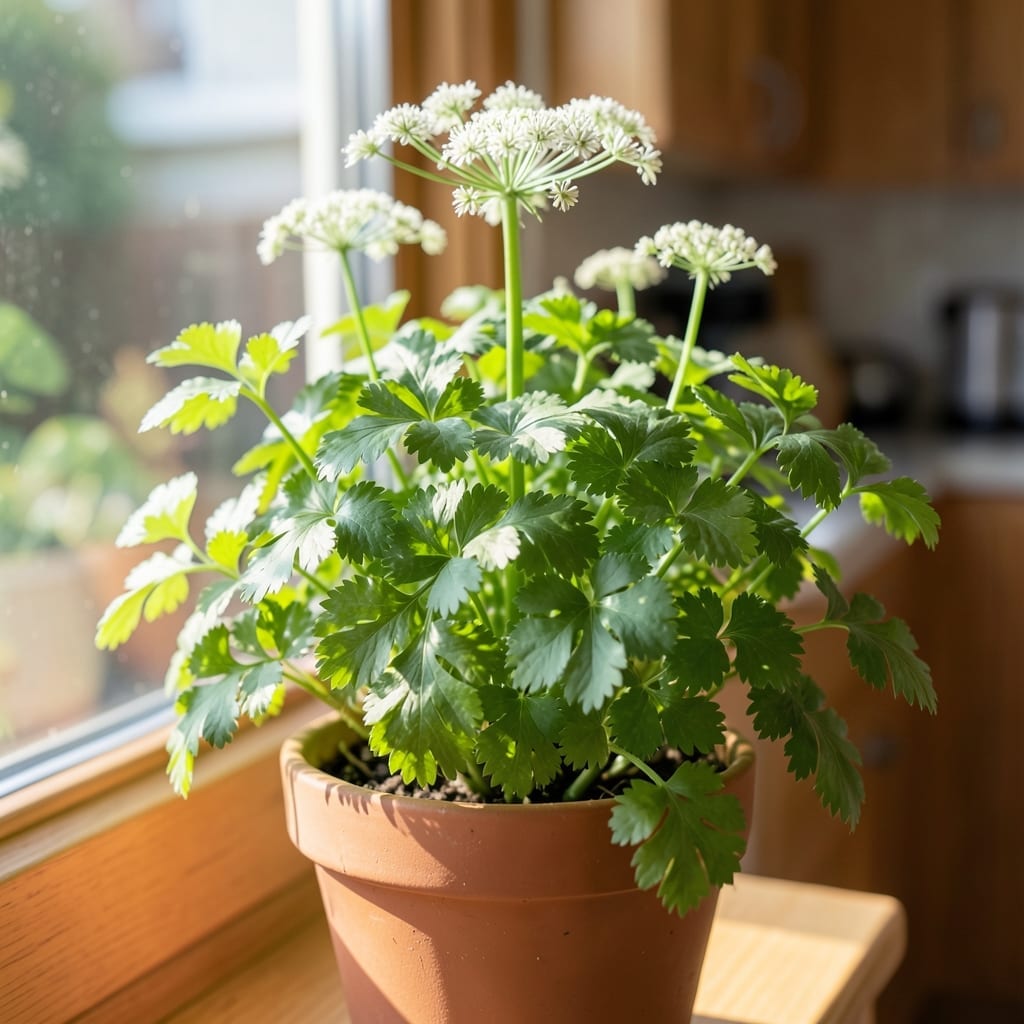
Cilantro thrives with the right light, but too much or too little can send your 🌿 plants bolting or wilting. Getting this balance right means the difference between sparse, bitter leaves and a lush, flavorful harvest.
I’ve learned through trial and error that this herb has very specific needs. Whether you’re growing it indoors or out in zone 6a, the wrong exposure will show up fast in your plants.
Discover how to give your Cilantro exactly what it craves without the guesswork. The good news? It’s simpler than you might think to create ideal conditions.
Let me walk you through the most important factors for light success with this spring favorite. Your kitchen will thank you for the fresh, vibrant results.

I’ve found that cilantro thrives best with 6 to 8 hours of direct sunlight daily. This herb loves bright light but can struggle in extreme heat. In cooler climates, full sun is ideal, but in hotter regions, partial shade helps prevent bolting.
For indoor cilantro, place it near a south-facing window where it gets consistent light. If natural light is limited, a grow light for 10-12 hours works wonders for leafy growth.
| Light Requirement | Specification |
|---|---|
| Daily Sunlight | 6-8 hours direct |
| Indoor Placement | South-facing window |
| Light Intensity | Bright direct to partial shade |
| Grow Light Use | 10-12 hours daily |
| Hot Climate Adjustment | Afternoon shade |
In summer heat, I always provide afternoon shade to my cilantro. This prevents the plant from bolting prematurely, which can turn your leafy harvest into early flowers and seeds.
If you notice yellowing leaves or stunted growth, your cilantro might need more light. Conversely, if the leaves look scorched or the soil dries out too quickly, it’s getting too much direct sun.
For container gardening, I recommend placing pots where they can follow the sun. A west-facing balcony often provides the perfect balance of morning shade and afternoon sunlight.
During winter months, cilantro may need supplemental lighting. I use a full-spectrum grow light to mimic natural sunlight, ensuring my plants stay healthy and productive all year round.
Remember, cilantro is a cool-season herb. In my experience, it grows best in spring and fall when temperatures are mild. If you plant in summer, choose a location with dappled shade to keep the soil cool.
For those in USDA zones 6-9, you can grow cilantro outdoors almost year-round with proper light management. In colder zones, start seeds indoors under grow lights before transplanting outside.
Finally, rotate your pots regularly if growing indoors. This ensures all sides of the plant receive equal light exposure, preventing lopsided growth and promoting a bushier shape. ☀️
I’ve seen cilantro plants struggle when their light needs aren’t met, and the signs are usually obvious. Leggy stems stretching toward the light often mean your herb isn’t getting enough exposure. This is your plant’s way of reaching for more.
Yellowing leaves or a pale green color can also indicate insufficient light. On the flip side, if you notice brown, crispy edges on the leaves, your cilantro might be getting too much direct sun, especially in hot climates.
⚠️ Watch for Bolting
If your cilantro starts flowering early, it’s likely getting too much light or heat. Move it to a shadier spot to slow this down and extend your harvest.
Another red flag is stunted growth. If your cilantro seems smaller than expected after a few weeks, check its light conditions. It may need a brighter location or supplemental lighting indoors.
For indoor cilantro, pale stems and small leaves are common when the light is too weak. A south-facing window is ideal, but a grow light can help if natural light is limited.
If your plants are wilting during the hottest part of the day, they might be suffering from heat stress. Providing afternoon shade can make a big difference, especially in warmer zones.
By paying close attention to these visual cues, you can adjust your cilantro’s environment before it’s too late. A little observation goes a long way in keeping your herbs healthy and productive. 🌿