
Beautiful Plants For Your Interior
Beautiful Plants For Your Interior
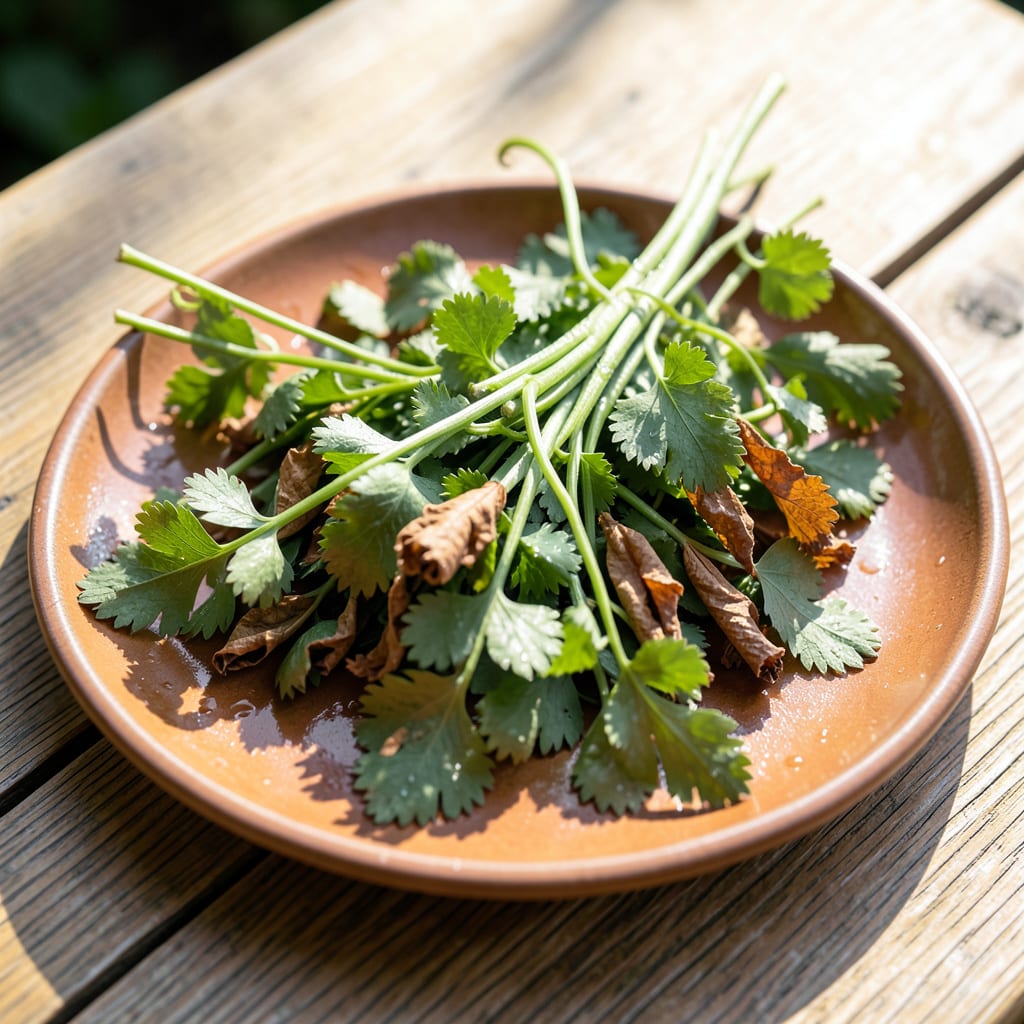
Brown edges on cilantro mean your plant is screaming for help. I’ve saved more wilting bunches than I’d like to admit by catching the early signs—crispy tips, yellowing between veins, or leaves that feel like paper.
Most cases come down to 3 culprits: thirsty roots, soggy soil, or a sunburn from too much direct light. The fix is usually simpler than you think, but timing matters—wait too long and you’re starting over with new seeds.
You’ll see improvement within 48 hours once you adjust water or shade. The leaves bounce back surprisingly fast, and the plant often outgrows the damage entirely.
Works for pot-grown or garden cilantro, and the same rules apply to parsley and dill. Here’s how to diagnose it right.
Cilantro leaves turning brown can be a frustrating sight, but understanding the root causes helps you fix the issue fast. Here are the most common reasons why this happens:
Too much water suffocates the roots, leading to root rot. When roots can’t breathe, they fail to absorb nutrients, causing leaves to brown and wilt. Cilantro thrives in moist but well-draining soil—soggy conditions are a death sentence. Check your pot’s drainage holes and adjust watering to keep soil damp, not soaked.
Cilantro is a cool-season herb. When temperatures soar above 85°F (29°C), the plant reacts by bolting—shifting energy to seed production, which turns leaves brown and dry. Shade cloth or afternoon shade can shield plants from scorching heat.
A lack of nitrogen or potassium often shows up as brown, crispy edges on leaves. Nitrogen supports leafy growth, while potassium aids in water regulation. A balanced, water-soluble fertilizer (10-10-10) can restore vitality. Avoid over-fertilizing, which can burn roots.
Diseases like leaf spot or bacterial blight cause brown patches, often with yellow halos. These thrive in humid, wet conditions. Improve airflow around plants, avoid overhead watering, and remove infected leaves immediately to prevent spread.
If your cilantro leaves are turning brown, don’t panic—there are simple fixes for every common cause. Below, we map each issue to its solution, plus tips to prevent future browning.
Dry soil stresses cilantro, leading to crispy brown edges. Fix: Water at the base (not the leaves) until the top inch of soil feels moist. Aim for consistent moisture, especially in hot weather. Prevention: Mulch with organic matter to retain moisture.
Root rot from soggy soil causes yellowing first, then browning. Fix: Let the soil dry slightly between waterings. Move potted cilantro to a well-draining container or amend garden beds with sand or perlite. Prevention: Use pots with drainage holes and avoid saucers that trap water.
Intense sunlight scalds leaves, turning them brown and brittle. Fix: Relocate pots to a spot with morning sun and afternoon shade, or use shade cloth for garden plants. Prevention: In hot climates, plant cilantro where it gets 4–5 hours of gentle sun daily.
Cilantro hates frost. Fix: Cover plants with row covers or cloths overnight if temperatures drop below 50°F (10°C). For potted cilantro, move indoors near a sunny window. Prevention: Plant after the last frost date in spring.
Aphids and spider mites suck sap, causing brown spots. Fix: Blast off pests with water or apply insecticidal soap. For severe infestations, prune affected leaves. Prevention: Encourage ladybugs (natural predators) or spray neem oil weekly.
Lack of nitrogen or potassium can cause browning. Fix: Use a balanced, water-soluble fertilizer (e.g., 10-10-10) every 4–6 weeks. Avoid over-fertilizing—cilantro prefers lean soil. Prevention: Mix compost into the soil before planting.
Pro Tip 💡: Harvest cilantro leaves regularly to encourage new, healthy growth and reduce stress on the plant!
Water when the top 1 inch of soil feels dry. In hot weather, this may mean daily watering. Always water at the base to keep leaves dry and prevent disease.
Unfortunately, no. Once leaves turn brown, they won’t recover. However, fixing the underlying issue will promote new, healthy growth within 1-2 weeks.
Cilantro thrives between 50°F-75°F (10°C-24°C). Above 85°F (29°C), it bolts and turns brown. Use shade cloth in hot climates.
Yes! Trim brown leaves at the base to prevent disease spread. Use clean scissors and avoid cutting more than 1/3 of the plant at once.
