
Beautiful Plants For Your Interior
Beautiful Plants For Your Interior
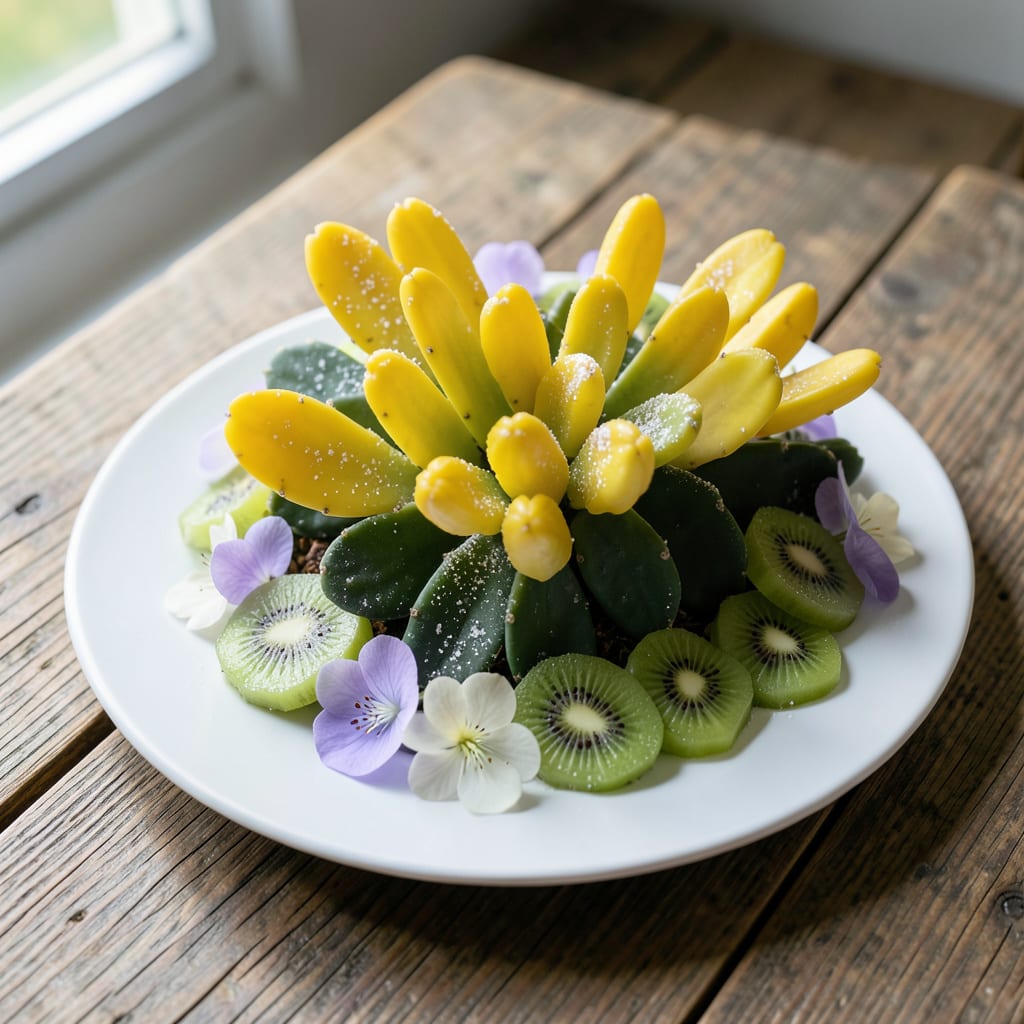
Yellow leaves on your Christmas cactus don’t mean it’s done for. I’ve brought mine back from the brink more times than I can count, and the fixes are simpler than you’d think.
The usual suspects? Too much water, too little light, or a sudden temperature swing. Your plant’s not picky—it just needs consistent care. Overwatering is the most common mistake, turning roots to mush and leaves to yellow.
With a few adjustments to your routine, you’ll see new green growth within 2-3 weeks. The key is catching the problem early and matching your care to what the plant actually needs.
No green thumb required. Just patience and a willingness to tweak your approach based on what the leaves are telling you.
Christmas cactus leaves turn yellow due to stress factors that disrupt their normal physiology. Below are the most common causes, explained with actionable insights.
Excess water suffocates the roots, preventing oxygen uptake and leading to root rot. The roots turn mushy, and the plant can’t absorb nutrients, causing chlorosis (yellowing). Ensure pots have drainage holes and use a well-draining soil mix (e.g., 50% perlite or sand). Water only when the top 1-2 inches of soil are dry.
Christmas cacti thrive in bright, indirect light. Prolonged exposure to harsh sunlight triggers photooxidative stress, damaging chlorophyll and turning leaves yellow. Move the plant to a spot with filtered light, especially during peak afternoon hours.
These tropical plants prefer 60–70°F (15–21°C). Sudden temperature drops, cold drafts (e.g., near windows in winter), or heat sources (radiators) disrupt cellular function. Keep them away from vents, drafty windows, or appliances emitting heat.
A lack of magnesium or nitrogen often causes uniform yellowing. Magnesium deficiency starts with yellowing between leaf veins, while nitrogen deficiency affects older leaves first. Use a balanced, water-soluble fertilizer (10-10-10 or 20-20-20) diluted to half strength every 4–6 weeks during growing season.
Sap-sucking pests like spider mites or mealybugs drain the plant’s fluids, leading to yellowing and wilting. Inspect the undersides of leaves and stems. Treat with insecticidal soap or neem oil, isolating the plant to prevent spread.
Don’t panic if your Christmas cactus leaves are turning yellow—most causes are fixable with a few simple adjustments. Below are targeted solutions for each common issue, plus prevention tips to keep your plant thriving.
If soggy soil is the culprit, stop watering immediately and let the top 1-2 inches of soil dry out. Repot the plant in fresh, well-draining cactus mix if root rot is suspected. Trim any black, mushy roots with sterilized scissors before replanting. Prevention tip: Water only when the topsoil feels dry to the touch, and ensure pots have drainage holes. 🌵
Move your cactus to a spot with bright, indirect light (east or north-facing windows are ideal). Avoid direct sun, which can scorch leaves. If cold drafts or heat vents are the issue, relocate the plant to a stable environment between 65–80°F (18–27°C). Prevention tip: Keep it away from drafty windows or heating sources. ❄️☀️
Yellowing from nutrient deficiency? Use a balanced, water-soluble houseplant fertilizer (10-10-10 or 20-20-20) diluted to half-strength. Feed every 4–6 weeks during spring and summer, but skip fertilizing in fall and winter when the plant rests. Prevention tip: Repot every 2–3 years with fresh soil to replenish nutrients. 🌱
For spider mites or mealybugs, wipe leaves with a cotton ball dipped in rubbing alcohol (70% isopropyl). For severe infestations, use neem oil spray weekly until pests are gone. Isolate the plant to prevent spreading. Prevention tip: Inspect leaves regularly and mist occasionally to deter mites. 🕷️
If roots are circling or poking out of drainage holes, it’s time to upsize the pot by 1–2 inches. Gently loosen the root ball and repot in fresh soil. Prevention tip: Check roots every 2 years and repot as needed. 🏡
Pro tip: After addressing the issue, give your cactus time to recover—new growth should appear in 4–6 weeks if conditions are right! ✨
Water only when the top 1-2 inches of soil feel dry. Typically, this means every 1-2 weeks in summer and less in winter. Overwatering is the most common cause of yellowing.
Bright, indirect light works best, like an east-facing window. Avoid harsh afternoon sun, which can scorch the leaves. A sheer curtain can help filter intense light.
Yes, a lack of magnesium or nitrogen often leads to yellowing. Use a balanced fertilizer diluted to half strength every 4-6 weeks in growing season.
Inspect the undersides of leaves for spider mites or mealybugs. Use a magnifying glass if needed, and treat with neem oil or rubbing alcohol if found.
