
Beautiful Plants For Your Interior
Beautiful Plants For Your Interior
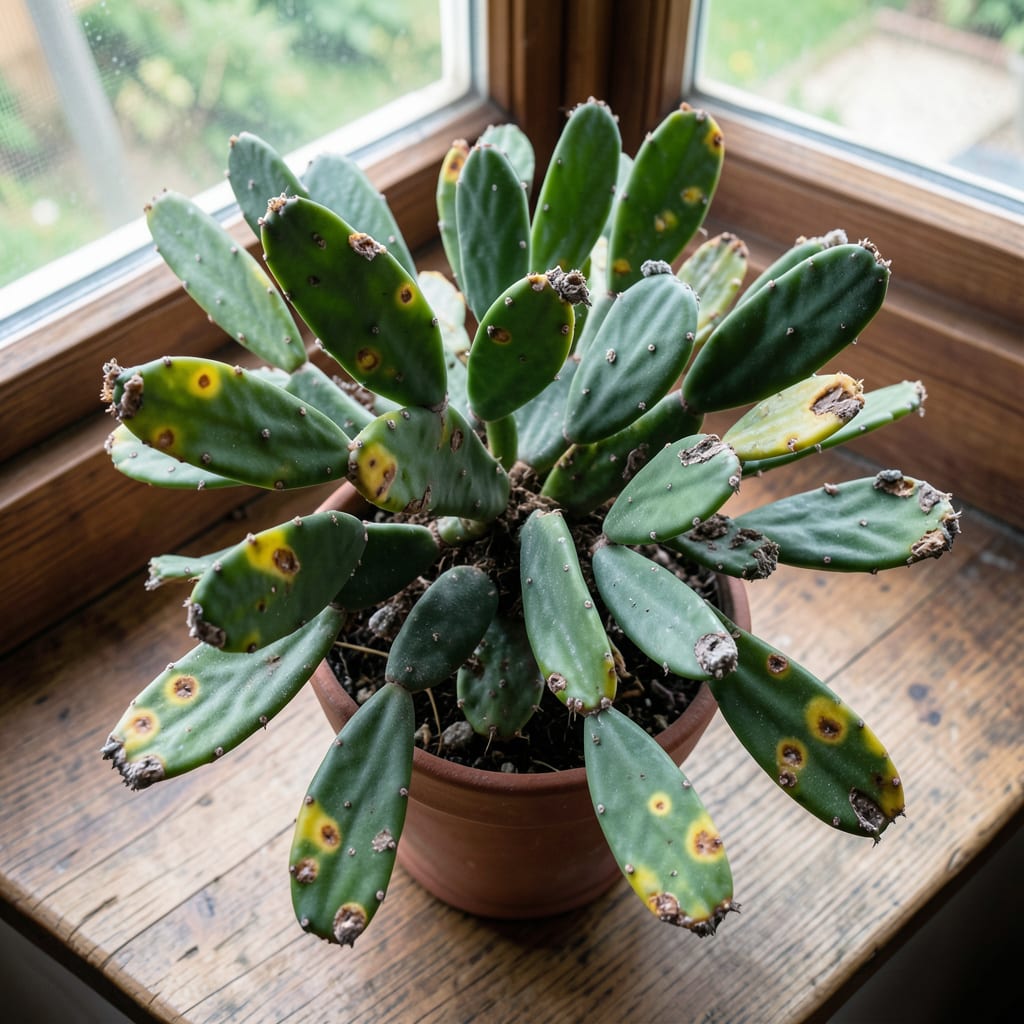
Your Christmas cactus isn’t doomed—even if it looks sick. I’ve nursed dozens back from the brink by catching problems early and acting fast.
The most common issues show up as wilting, discoloration, or unusual spots. Each symptom tells a story about what’s wrong, whether it’s too much water, not enough light, or a sneaky pest.
With the right diagnosis, you can turn things around in a week or two. The key is matching the treatment to the exact problem, not just guessing.
This approach works for any stage of decline, from early warning signs to full-blown distress. Let’s save that plant.
Christmas cacti are hardy, but they’re not invincible. Diseases and issues often stem from environmental stress or poor care. Here’s why these problems happen:
Root rot, the most common Christmas cactus killer, thrives in soggy soil. When roots sit in waterlogged conditions, Phytophthora or Pythium fungi attack, breaking down root tissues. This happens because:
These tropical plants prefer stable conditions (60–70°F). Sudden drops below 50°F or spikes above 80°F weaken their defenses. Low humidity (<40%) dries out stems, making them prone to:
Weak or stressed plants attract pests like spider mites and mealybugs. These pests pierce stems to feed, creating entry points for:
Pro tip: Inspect new plants for pests before bringing them near your Christmas cactus!
Lack of key nutrients (e.g., magnesium or potassium) weakens the plant’s immune system. Yellowing stems or stunted growth often signal:
Don’t panic if your Christmas cactus looks under the weather—most problems are fixable with a few simple steps. Below, we map common issues to their solutions, plus tips to keep your plant thriving long-term.
If the roots are mushy and black, overwatering is likely the culprit. Stop watering immediately and remove the plant from its pot. Trim away rotten roots with sterilized scissors, then repot in fresh, well-draining soil. Use a pot with drainage holes to prevent future issues. Pro tip: 💡 Water only when the top 1-2 inches of soil are dry.
Dark or water-soaked spots on leaves? Isolate the plant to avoid spreading, then remove affected segments with clean shears. Apply a copper-based fungicide or neem oil to the remaining plant. Improve airflow around your cactus and avoid wetting the leaves when watering. Prevention: ✨ Space plants apart and water at the base.
White cottony clusters or webbing? Wipe leaves with a soapy water solution (1 tsp mild soap per 1L water) or spray with neem oil. Repeat every 5-7 days until pests are gone. Prevent infestations: 🎯 Inspect new plants before bringing them home and keep humidity moderate.
Yellow or bleached segments? Your cactus may be getting too much direct sun. Move it to bright, indirect light. If stems are stretched and pale, it’s not getting enough light—gradually introduce it to brighter conditions. Pro tip: 🌡️ Rotate the pot weekly for even growth.
Underwatering causes wrinkles, while overwatering leads to limpness. Check soil moisture—if dry, water thoroughly; if soggy, let it dry out. If the plant is weak, feed it with a balanced, diluted houseplant fertilizer every 4-6 weeks in spring/summer. Prevention: 📊 Use a moisture meter to avoid guesswork.
Look for mushy, black roots and a foul odor from the soil. The stems may also appear wilted or yellowed, even when the soil seems damp. Early action is key to saving your plant.
Those are likely mealybugs, a common pest. They appear as cottony clusters and can spread quickly. Isolate the plant and treat with neem oil or a soapy water solution.
Yes! Prune affected areas with clean shears and apply a copper-based fungicide. Improve airflow and avoid wetting the leaves to prevent recurrence.
This usually signals underwatering or overwatering. Check soil moisture—water thoroughly if dry, or let it dry out if soggy. A moisture meter can help avoid guesswork.
