
Beautiful Plants For Your Interior
Beautiful Plants For Your Interior
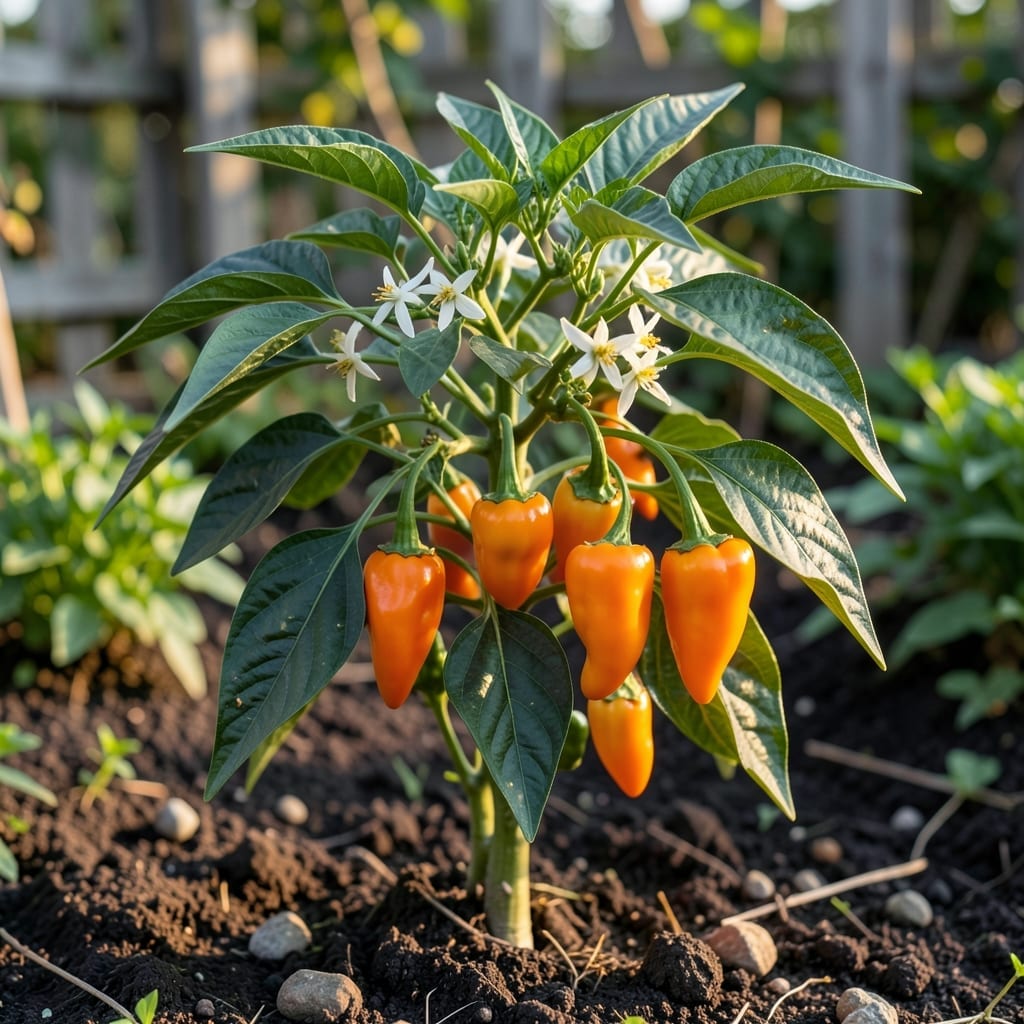
There’s something magical about growing your own fiery peppers that store-bought just can’t match. The Habanero Chili 🌶️ brings both intense heat and a citrusy sweetness that transforms any dish.
Whether you’re a seasoned gardener or just starting your green thumb journey, this vibrant pepper offers rewards well worth the effort. From seed to harvest, the process is simpler than you might think.
I’ll share the essential steps to cultivate these bold, orange beauties in your own backyard. With the right approach, you can enjoy a bountiful harvest of these flavor-packed peppers.
Discover how to turn your garden into a spicy paradise with these proven growing techniques. Let’s get started on this flavorful adventure together.
Growing chili habanero orange starts with selecting high-quality seeds from a reputable supplier. I always look for organic, non-GMO seeds to ensure the best results. These peppers thrive in warm climates and need a long growing season.
Begin by starting seeds indoors 8-10 weeks before the last frost date. Use seed-starting mix in small pots or trays, keeping the soil moist but not soggy. A heat mat can help maintain the ideal 70-80°F for germination. 🌱
Once seedlings have 2-3 true leaves, it’s time to harden them off. I gradually expose them to outdoor conditions over a week. This prevents transplant shock and helps them adapt to the garden environment.
When transplanting, I dig deep holes and mix in compost or aged manure for added nutrients. The chili habanero orange prefers well-draining soil with a pH of 6.0-6.8. Adding mulch helps retain moisture and suppress weeds.
Sunlight is critical for these peppers. They need 6-8 hours of direct sun daily. In hotter climates, a bit of afternoon shade can prevent sunscald on the fruit. I’ve found that south-facing locations work best in my garden.
Watering should be consistent and deep, about 1-2 inches per week. I water in the early morning to reduce evaporation and prevent fungal issues. Drip irrigation works well to keep foliage dry and deliver water directly to the roots. 💧
Fertilizing every 4-6 weeks with a balanced fertilizer keeps plants healthy. I switch to a low-nitrogen formula once flowering begins to encourage fruit production over leafy growth. Always follow package instructions for application rates.
Pest management is essential for a good harvest. I regularly inspect plants for aphids, spider mites, or pepper maggots. Neem oil or insecticidal soap can control minor infestations. Companion planting with basil or marigolds also deters pests naturally.
Harvesting chili habanero orange is exciting! I pick peppers when they’re bright orange and firm to the touch. Using pruning shears prevents damage to the plant. These peppers continue to ripen off the vine, so don’t worry if a few aren’t fully orange yet.
With proper care, each plant can produce dozens of peppers per season. I love watching them transition from green to vibrant orange, signaling they’re ready to be picked and enjoyed. ✂️
Growing chili habanero orange successfully means going beyond basics. I’ve found that pruning early encourages bushier plants with more fruit-bearing branches. Always remove suckers below the first flower cluster.
A consistent fertilizing schedule makes a huge difference. Use a 5-10-10 NPK every 4-6 weeks to boost flowering and fruiting. Water deeply in the early morning to prevent stress.
Pest control is critical for healthy habaneros. I use neem oil as a preventive spray against common garden pests. It’s organic and won’t harm beneficial insects like bees or ladybugs.
Harvest timing affects both heat level and flavor intensity. Pick when peppers are fully orange, firm, and glossy. Leaving them longer increases capsaicin concentration but may reduce yield.
For bigger peppers, thin out some fruit when young. This directs the plant’s energy to fewer but larger habaneros. I’ve seen 20% size increases with this simple technique.
Finally, rotate crops yearly to prevent soil-borne diseases. Never plant habaneros in the same spot as tomatoes or peppers from the previous season. This keeps your garden soil healthy and productive. 🌱