
Beautiful Plants For Your Interior
Beautiful Plants For Your Interior
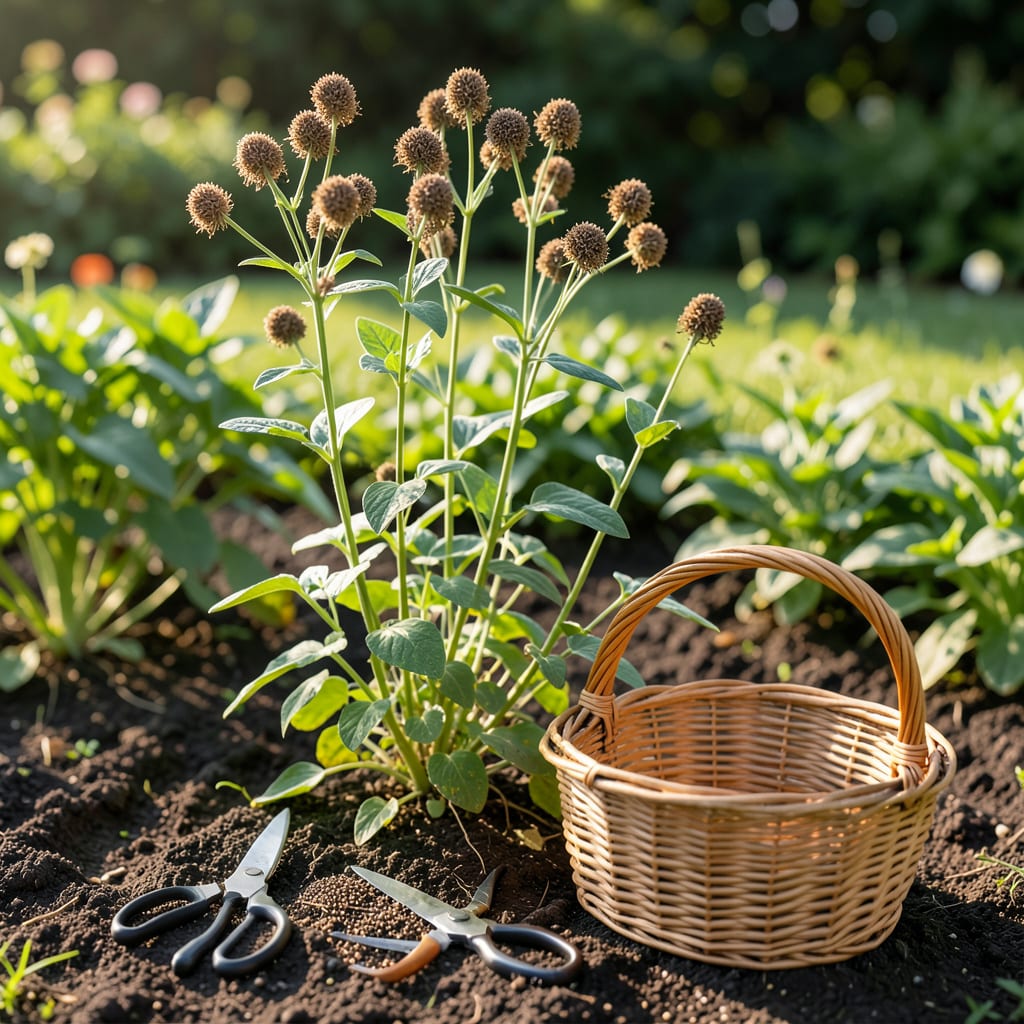
Timing your chia harvest right can make or break your entire growing season. With 🌱 Chia, knowing when to pick ensures you get the most from every plant.
Discover the key visual signs that tell you your seeds are ready, and learn how to collect them without losing a single one to waste.

I’ve found that timing your chia seed harvest perfectly can triple your yield. The first sign to watch for is when the flowers turn brown and feel dry to the touch. This usually happens 90-120 days after planting. 🌱
Another clear indicator is when the seed heads start to darken and harden. At this stage, the seeds will be black or white, depending on the variety, and they’ll detach easily when rubbed. This means they’re ready for collection. 🌿
| Harvest Sign | Description |
|---|---|
| Flowers dry and turn brown | Indicates maturity and readiness |
| Seeds are dark and firm | Seeds are fully developed and viable |
| Seeds detach easily | Ready for harvesting and collection |
| Seed pods open naturally | Nature’s signal that it’s time to harvest |
If the flowers are still green or colorful, the seeds aren’t ready yet. The seeds will be soft or light-colored and stick firmly to the flower head. Picking too early will result in immature seeds that won’t germinate or store well. ✂️
I always check for seed firmness by gently pressing a few seeds between my fingers. If they feel hard and don’t squish, they’re ready. If they’re still soft, I wait another week or two and check again. Patience pays off here.
Another tip I swear by is looking for natural seed pod opening. When the pods start to split open on their own, it’s a sure sign that the seeds inside are mature. This is nature’s way of telling you it’s time to start collecting.
If you’re growing chia in a dry climate, you might notice the plants mature faster. In humid areas, it can take a bit longer. Always adjust your expectations based on your local growing conditions and weather patterns.
I recommend checking your plants every few days once they start to flower. The transition from flowering to seed maturity can happen quickly, and you don’t want to miss the optimal window. A small magnifying glass can help you inspect the seeds closely.
Remember, chia plants are self-seeding, so if you leave some seed heads on the plant, you’ll likely get new plants next season. But if you want to collect the seeds for storage or sharing, harvest them when they’re fully mature. 🌻
Finally, always harvest on a dry, sunny day. Moisture can cause the seeds to mold or clump together, reducing their viability. Spread the seed heads out in a well-ventilated area to finish drying before storage.
Harvesting chia seeds properly ensures you get the maximum yield from each plant. I always start by gathering the right tools: sharp pruners, a clean bucket, and breathable bags for drying. These make the process smooth and efficient. 🌱
First, I check that the seed heads are fully mature, with brown, dry flowers and firm seeds. Then, I cut the entire seed head off the plant with pruners, leaving a 6-inch stem attached. This prevents seed loss during handling. 🌿
Next, I place the seed heads in paper bags or mesh sacks to dry. I hang them in a well-ventilated area away from direct sunlight. This takes about 1-2 weeks, depending on humidity levels. ✂️
Once completely dry, I gently rub the seed heads between my hands over a clean bowl to release the seeds. The seeds should fall off easily if they’re fully dry. I then sift through to remove any remaining plant debris.
For storage, I use airtight glass jars or resealable bags. I keep them in a cool, dark place to maintain seed viability. Properly stored chia seeds can last 2-3 years without losing quality.
I always label my containers with the harvest date and chia variety. This helps me track seed age and plan future plantings. It’s a simple step that prevents confusion later on. 🌻
I’ve learned that even small errors during chia seed harvest can drastically reduce your yield. One of the biggest mistakes is harvesting too early when seeds are still soft or light-colored. This results in poor germination and wasted effort. 🌱
Another common pitfall is improper drying. If you don’t let the seed heads dry completely in a well-ventilated area, moisture can cause mold or clumping. Always ensure seeds are fully dry before storage. 🌿
⚠️ Warning: Harvesting chia seeds too early or without proper drying can ruin your entire crop. Always wait for brown, dry flowers and firm seeds before collecting.
Many gardeners also make the mistake of storing seeds improperly. Using non-airtight containers or keeping seeds in humid or warm areas can shorten their shelf life. Always use airtight containers in a cool, dark place. ✂️
I’ve seen people skip labeling their harvested seeds, which leads to confusion later. Without knowing the harvest date or chia variety, it’s hard to track seed viability or plan future plantings effectively.
Finally, avoid harvesting on wet or rainy days. Moisture on the plants can make seeds stick together and increase the risk of mold. Always pick a dry, sunny day for the best results and longest seed viability.
Look for brown, dry flowers and dark, firm seeds that detach easily. Seed pods will often open naturally when ready.
Place them in paper bags or mesh sacks for 1-2 weeks in a well-ventilated area away from direct sunlight.
No, always harvest on a dry, sunny day. Moisture can cause seeds to clump or mold, reducing viability and storage life.
Properly dried and stored in airtight containers in a cool, dark place, they’ll stay viable for 2-3 years.
