
Beautiful Plants For Your Interior
Beautiful Plants For Your Interior
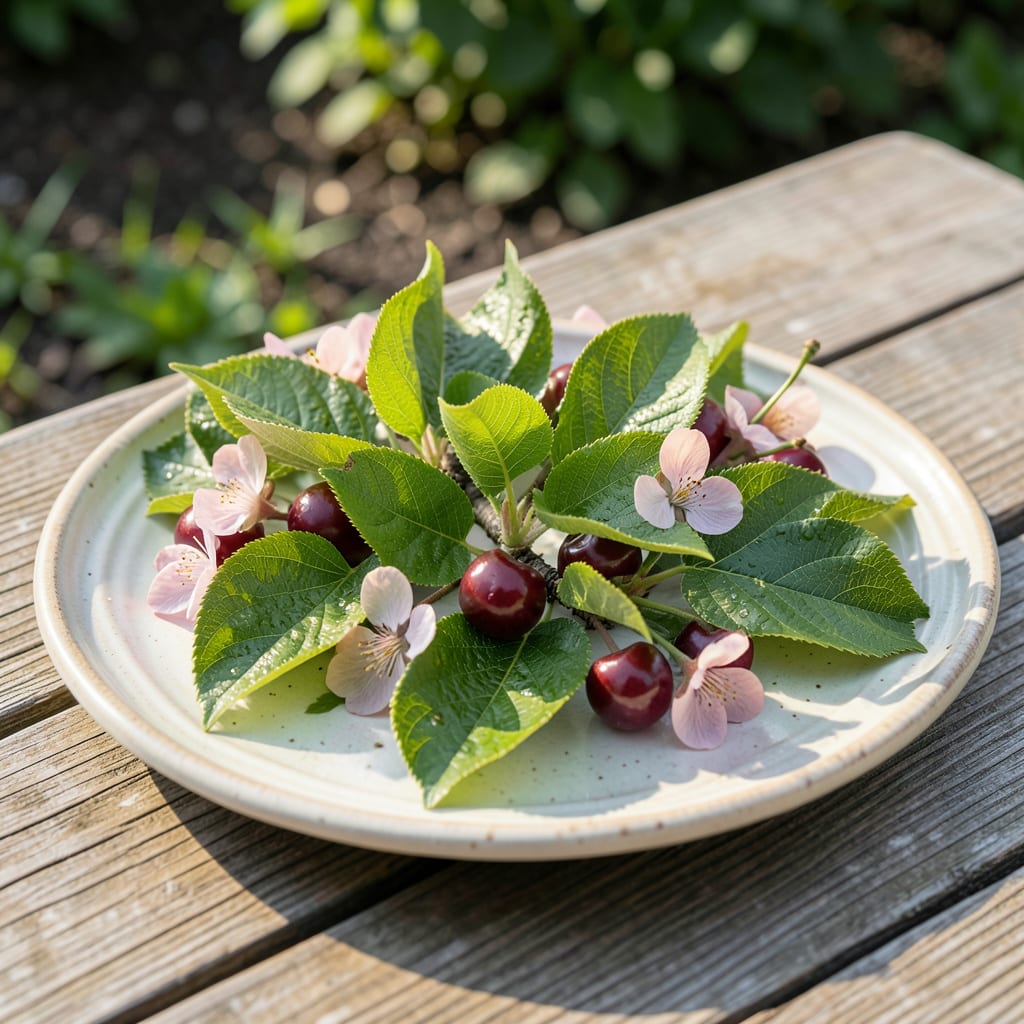
Nothing beats watching those first bright green leaves unfurl on a cherry sapling. I’ve learned the hard way that healthy foliage starts with the right soil and consistent moisture.
Yellowing or spotted leaves usually mean too much water or not enough nutrients. Fix these early, and your sapling will reward you with vigorous growth and that classic cherry tree beauty.
📚 In This Guide
Here’s the approach I trust to keep those delicate leaves thriving through every season.
Start by selecting a planting site with full sun to partial shade—cherry tree saplings need at least 6-8 hours of sunlight daily to develop strong foliage. Dig a hole twice as wide as the root ball but no deeper. This gives roots room to spread without settling too low.
Loosen the soil at the sides of the hole so new roots can penetrate easily. If your soil is heavy clay or overly sandy, mix in a bit of compost to improve drainage and fertility. Place the sapling in the hole, ensuring the root flare (where roots meet trunk) sits slightly above ground level.
After planting, water the sapling thoroughly until the soil is saturated to a depth of 12-18 inches. This encourages deep root growth, which is critical for supporting healthy leaf development. For the first 2-3 weeks, keep the soil consistently moist but not soggy.
Once established, water deeply once a week, adjusting for rainfall. A good rule of thumb: if the top 2 inches of soil feel dry, it’s time to water. Avoid shallow, frequent watering—this leads to weak roots and stressed foliage.
Spread a 2-3 inch layer of organic mulch (like wood chips or straw) around the base of the sapling, keeping it 3-4 inches away from the trunk. Mulch retains moisture, regulates soil temperature, and suppresses weeds that compete for nutrients.
As the mulch breaks down, it enriches the soil, giving your sapling a steady supply of organic matter. Replenish the mulch layer as needed, especially in hot, dry weather. This step is non-negotiable for maintaining vibrant, healthy leaves.
In late winter or early spring, before new growth starts, prune any dead, damaged, or crossing branches. Use clean, sharp pruners to make cuts at a 45-degree angle, just above a bud or branch junction. This prevents disease and encourages strong, balanced growth.
Thin out crowded areas to improve airflow, which reduces the risk of fungal diseases that can damage leaves. Avoid heavy pruning—remove no more than 20-25% of the canopy at a time. Healthy airflow and sunlight penetration are key to lush, disease-resistant foliage.
Apply a balanced, slow-release fertilizer (like a 10-10-10 formula) in early spring, just as the leaves begin to emerge. Follow the package instructions for dosage, but err on the side of caution—over-fertilizing can burn roots and stress the tree.
If the leaves appear pale or yellow, it might be a sign of nitrogen deficiency. In that case, a light application of a nitrogen-rich fertilizer can help. Always water deeply after fertilizing to distribute nutrients evenly and prevent root burn.
Small adjustments in care can make a big difference in leaf health and vibrancy.
Sunlight Strategy: The 6-8 hours of daily sunlight mentioned in Step 1 is non-negotiable for strong foliage. If your yard doesn’t get full sun, prioritize morning sunlight over afternoon, as it’s gentler on young leaves. I’ve noticed saplings in partial shade develop thinner, more susceptible leaves.
The Watering Sweet Spot: During those first 2-3 weeks after planting, check soil moisture daily by sticking your finger 2 inches deep. If it feels dry at that depth, water deeply. The goal is consistent moisture without waterlogging, which can rot roots and stress leaves.
Pruning Precision: When thinning branches in Step 4, remember that 20-25% canopy removal is the maximum. Removing more can shock the tree and weaken leaf growth. Use clean pruners to make those 45-degree cuts, which help water roll off and prevent disease from settling in.
Fertilizer Timing: Applying that 10-10-10 fertilizer too early or too late can do more harm than good. Early spring, just as leaves emerge, is ideal because it supports the new growth phase. Always water after fertilizing to prevent root burn, as mentioned in Step 5.
Yellow leaves often indicate overwatering, nutrient deficiencies, or poor drainage. Check soil moisture and ensure proper drainage. A balanced fertilizer can help restore vibrant green foliage.
Cherry tree saplings typically sprout leaves in early spring, depending on climate. In warmer regions, expect growth as early as March, while cooler areas may see leaves appear in April or May.
Water deeply once a week, allowing the top inch of soil to dry between waterings. Young saplings need consistent moisture but avoid soggy soil, which can cause root rot.
If your cherry sapling struggles, consider shade cloth for protection or a different variety suited to your climate. Dwarf or disease-resistant types often adapt better to varied conditions.
Brown spots may signal fungal infections like leaf spot. Remove affected leaves and apply a copper-based fungicide. Improve air circulation and avoid overhead watering to prevent recurrence.
