
Beautiful Plants For Your Interior
Beautiful Plants For Your Interior
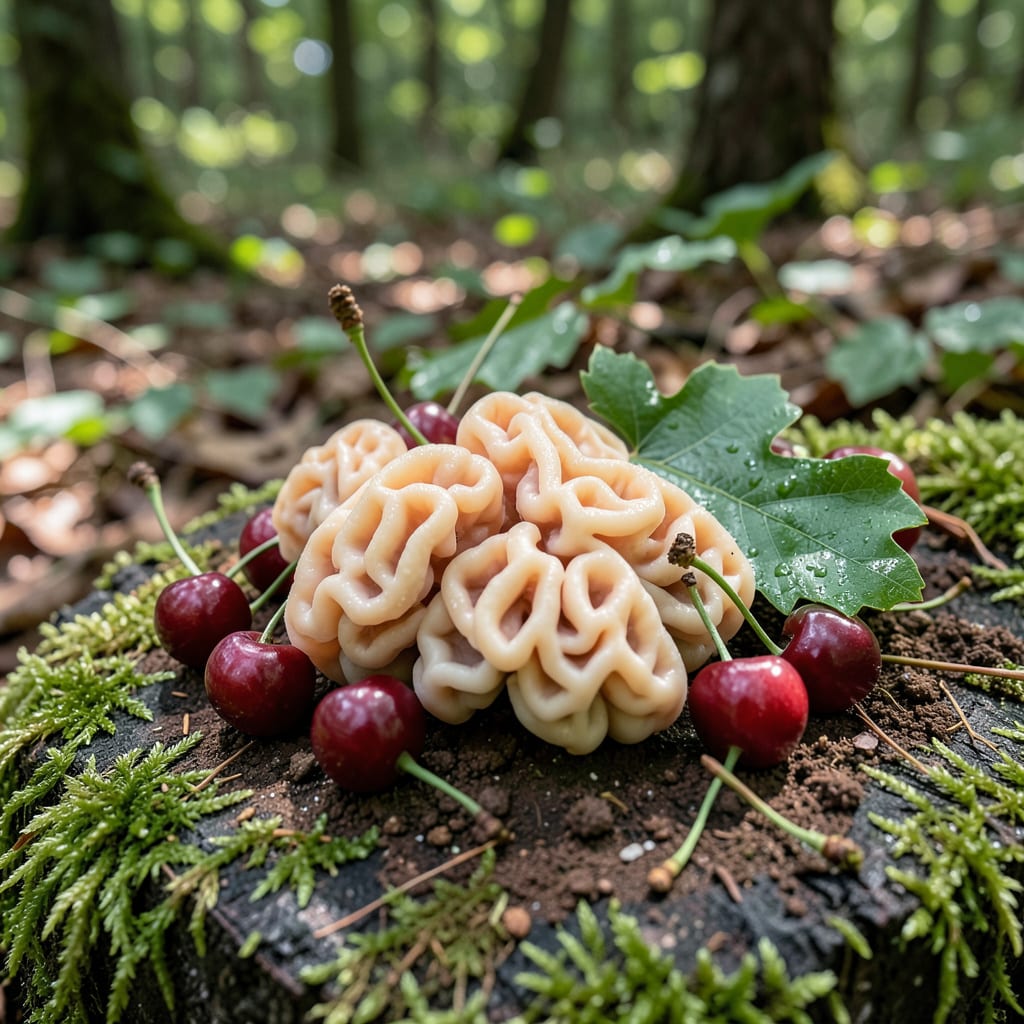
Spotted something off on your cherry tree? I’ve seen my share of confused gardeners staring at strange leaf spots or bark growths, wondering if it’s just weather damage or something worse. Fungus often announces itself before you even realize there’s a problem.
Some fungi show up as powdery white coatings, others as dark, sunken cankers. Then there are the leaf spots—purple, brown, or black—that spread fast if you ignore them. The key is catching these signs early, before the tree’s health takes a real hit.
I learned the hard way that misidentifying the issue wastes time and money. What looks like drought stress might actually be a silent fungal infection. Proper diagnosis means the difference between a quick fix and losing the tree entirely.
With the right knowledge, you’ll spot trouble before it spreads. Here’s what to look for and how to act fast.
Cherry tree fungi thrive under specific environmental and biological conditions. Below are the primary causes, each backed by scientific reasoning to help you understand and prevent infections.
Fungal spores require prolonged leaf wetness (typically 6–12 hours) to germinate. Overhead irrigation, poor drainage, or rainy seasons create ideal conditions for pathogens like Monilinia (brown rot) or Blumeriella jaapii (cherry leaf spot). Action: Improve air circulation with pruning and water at the base of the tree.
Fungi overwinter in fallen leaves, mummified fruit, or bark cankers. For example, Cytospora cankers release spores from infected wood, while Venturia (scab) survives in leaf litter. Action: Remove and destroy debris in late fall or early spring to break the disease cycle.
Cool, wet springs (50–65°F) accelerate spore production in fungi like Podosphera (powdery mildew). Conversely, warm, humid summers favor Colletotrichum (anthracnose). Action: Monitor local weather and apply protective fungicides during high-risk periods.
Physical damage (pruning cuts, hail) or environmental stress (drought, nutrient deficiency) weakens a tree’s defenses. Pathogens like Eutypa lata (gummosis) enter through wounds. Action: Sterilize pruning tools with 70% isopropyl alcohol and maintain tree vigor through proper fertilization.
By addressing these root causes, you can significantly reduce the likelihood of fungal infections in cherry trees.
Tackling cherry tree fungus early can save your tree and prevent spread. Below are targeted solutions for common fungal issues, along with prevention tips to keep your cherry trees thriving. 🌳✨
If you spot mummified fruit or brown, shriveled blossoms, act fast. Prune infected branches at least 6 inches below visible damage, sterilizing your shears with rubbing alcohol between cuts. Dispose of infected material far from the tree—do not compost. Apply a copper-based fungicide or captan during bloom and again after petal fall. 💡 Prevention tip: Thin fruit clusters to improve airflow and reduce humidity.
Yellow or purple-spotted leaves signal leaf spot fungus. Rake and destroy fallen leaves in autumn to remove spores. Apply neem oil or a sulfur-based fungicide at the first sign of spots, repeating every 10–14 days during wet weather. ✨ Prevention tip: Space trees properly and prune inner branches to boost circulation.
Silver-gray leaves often mean silver leaf disease, which enters through wounds. Cut affected branches immediately, dipping pruning tools in a 10% bleach solution after each cut. Avoid pruning during wet conditions. 🎯 Prevention tip: Seal large pruning cuts with tree wound dressing to block spores.
Wilting, yellowing foliage, or stunted growth may indicate root rot from overly wet soil. Improve drainage by amending soil with compost or sand. Reduce watering frequency and avoid mulch piling against the trunk. ⏰ Prevention tip: Plant cherry trees in well-draining soil and on slight mounds if your area has heavy clay.
Consistency is key—monitor trees weekly during growing season and reapply fungicides as directed. Healthy trees resist fungus better, so maintain vigor with proper watering, fertilization, and seasonal care. 🌿
Look for unusual leaf discoloration, like purple or brown spots, or white powdery coatings. Wilting or stunted growth can also indicate an issue.
Yes, neem oil and sulfur-based sprays work well for mild cases. Improve airflow and remove infected debris to prevent spread.
Prune for better air circulation, avoid overhead watering, and clean up fallen leaves and fruit. Sterilize pruning tools between cuts.
