
Beautiful Plants For Your Interior
Beautiful Plants For Your Interior
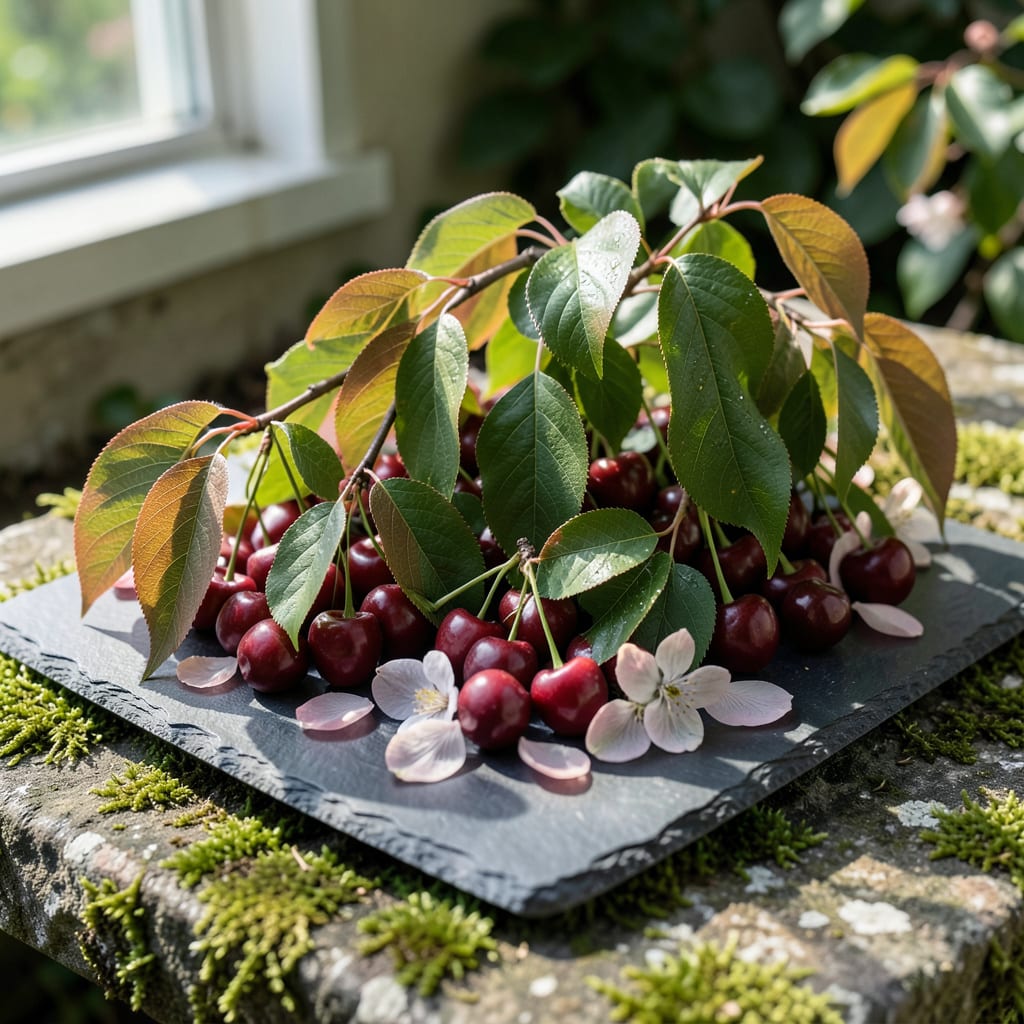
Nothing saddens a gardener like seeing a cherry tree’s leaves suddenly droop. I’ve been there—one morning they’re vibrant green and perky, the next they’re hanging like wet laundry after a storm.
Most times, it’s not a death sentence. In my experience, the usual suspects are underwatering, overwatering, or a sneaky root issue. Sometimes, it’s even just the tree’s way of saying it’s thirsty after a hot spell.
Reviving it often starts with checking the soil—stick your finger in 2 inches deep. If it’s bone dry or soggy, you’ve found your first clue. Adjusting water and inspecting roots usually brings it back.
Prevention is simpler than you think: consistent watering, mulch to retain moisture, and keeping an eye out for pests. Small habits save big heartaches later.
Cherry trees with drooping leaves often signal underlying stress. Here are the most common causes, explained with actionable insights:
Excess water suffocates roots, preventing oxygen uptake. Saturated soil leads to root rot, where pathogens like Phytophthora thrive. Check soil moisture 2 inches deep—if it’s soggy, reduce watering and improve drainage with compost or sand.
Cherry trees need consistent moisture, especially in summer. Wilting leaves often appear curled or crisp. Water deeply (1–2 inches per week) at the drip line, not the trunk. Mulch helps retain moisture.
Aphids, scale, or borers sap nutrients, causing leaves to droop. Inspect undersides of leaves for sticky residue (honeydew) or holes. Neem oil or insecticidal soap can treat early infestations.
Leaf spot or powdery mildew disrupt photosynthesis, leading to drooping. Prune infected branches and apply copper fungicide. Ensure good airflow by spacing trees properly.
Extreme heat, frost, or sudden temperature swings can shock the tree. Shade cloths protect from scorching sun, while anti-desiccant sprays help in cold snaps.
Pro tip: 💡 Test soil pH—cherry trees prefer 6.0–7.0. Adjust with lime (to raise) or sulfur (to lower) if needed.
Drooping leaves on your cherry tree can often be fixed with a few targeted steps. Below are practical solutions for common causes, along with prevention tips to keep your tree thriving.
If dry soil is the culprit, give your tree a deep watering at the base, ensuring the water reaches the root zone. Water slowly to avoid runoff, and aim for 1–2 inches per week during dry spells. Prevention tip: 💡 Mulch around the base (2–3 inches deep) to retain moisture, but keep mulch away from the trunk to prevent rot.
Soggy roots suffocate the tree. Stop watering immediately and check drainage—if the soil stays wet for days, amend it with compost or sand. For potted trees, ensure the container has drainage holes. Prevention tip: ✨ Water only when the top 1–2 inches of soil are dry.
Inspect leaves for aphids, mites, or borers. Use a strong blast of water to dislodge pests or apply neem oil or insecticidal soap for severe cases. Prevention tip: 🎯 Encourage beneficial insects like ladybugs by planting companion flowers nearby.
For fungal or bacterial issues (e.g., leaf spot), remove infected leaves and branches with sterilized pruners. Apply a copper fungicide if needed. Prevention tip: 🌡️ Space trees properly for airflow and avoid overhead watering.
Young trees or those in full sun may wilt. Use shade cloth during peak afternoon hours or plant in a location with dappled sunlight. Prevention tip: 🌿 Gradually acclimate trees to sunlight if they’ve been in shade.
Act quickly, and your cherry tree’s leaves should perk up within days to weeks, depending on the cause!
Water deeply 1–2 times per week, providing 1–2 inches total. Check soil 2 inches deep—if dry, it’s time to water. Adjust for rain or extreme heat.
Yes, if the cause is temporary like heat stress or brief drought. Leaves often perk up within 24–48 hours after proper watering or shade. Persistent drooping needs investigation.
Mix compost or sand into the top 6 inches of soil. For potted trees, ensure containers have drainage holes. Avoid watering until soil dries slightly.
Check leaf undersides for bugs or sticky residue (pests). Spots, powder, or discoloration suggest disease. Treat pests with neem oil; diseases may need fungicide.
