
Beautiful Plants For Your Interior
Beautiful Plants For Your Interior
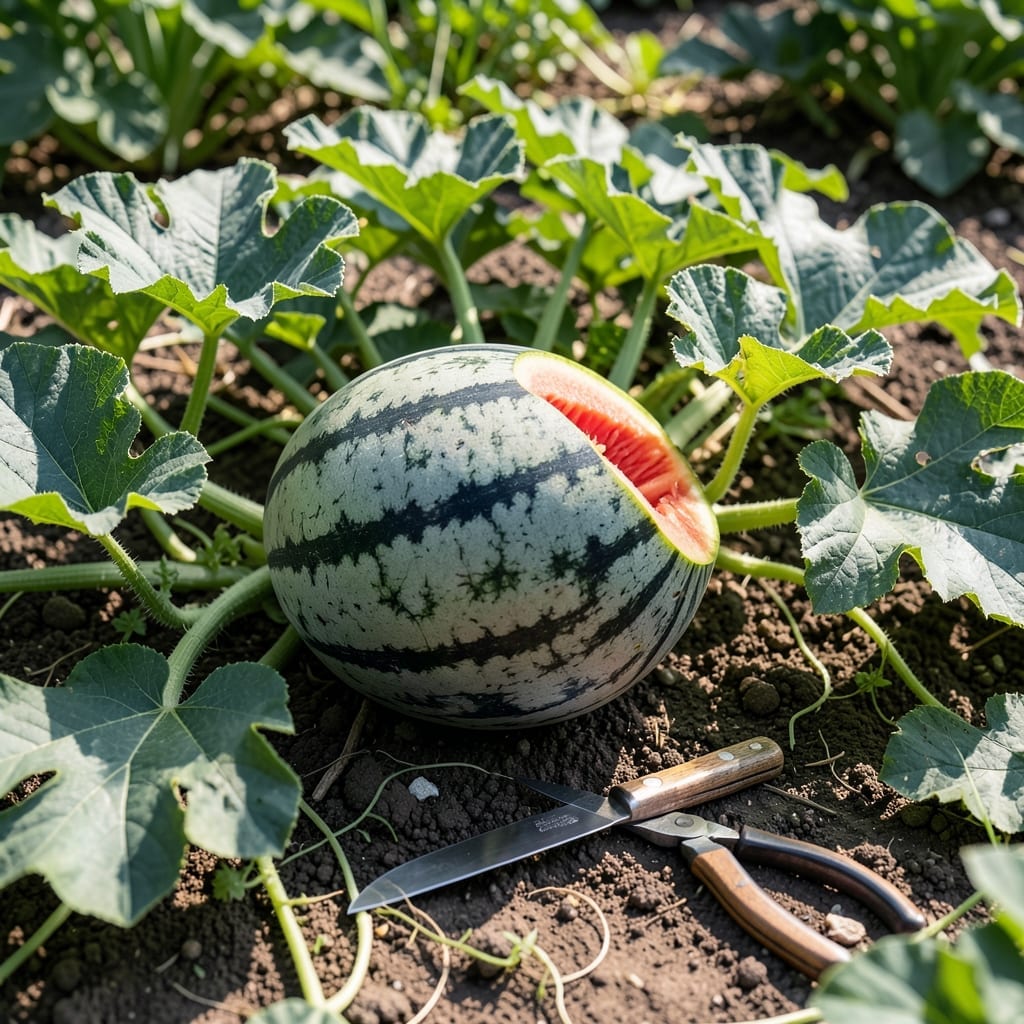
There’s something special about growing a massive watermelon that makes summer gardening so rewarding. The Charleston Gray Watermelon 🍉 stands out as a classic heirloom that consistently impresses with its size and flavor.
As a gardener, knowing what to expect from this variety helps you plan your space and care routine properly. This isn’t just about bragging rights – it’s about understanding how to nurture these giants to their full potential.
I’ve learned that achieving that perfect Charleston Gray requires more than just planting and waiting. The right conditions make all the difference in how these watermelons develop their signature dimensions.
Discover what makes this variety unique and how you can grow watermelons that will be the talk of your neighborhood this season.


When I first grew Charleston Gray watermelons, I was amazed by their sheer size. These heirlooms typically reach 24-36 inches in length with a diameter of 12-18 inches, making them true garden giants.
Most mature fruits weigh between 25-50 pounds, though exceptional specimens can tip the scales at 50+ pounds under ideal conditions. Their elongated shape sets them apart from rounder varieties.
| Measurement | Typical Range |
|---|---|
| Length | 24-36 inches |
| Diameter | 12-18 inches |
| Weight | 25-50+ lbs |
| Shape | Oblong/Elongated |
The size variation depends greatly on growing conditions. In my experience, vines need plenty of space to sprawl – at least 10-12 feet per plant for optimal development.
Soil quality plays a huge role too. I always amend my beds with compost before planting to ensure the vines have access to nutrient-rich soil throughout the growing season.
Water consistency is another key factor. These watermelons need 1-2 inches of water weekly, especially during fruit development. I’ve found that drip irrigation works best to maintain even moisture.
The pollination process also affects final size. Each flower needs 6-8 bee visits for full fruit set. I plant pollinator-friendly flowers nearby to encourage bee activity in my garden.
Temperature matters as well. Charleston Gray thrives in warm soil (70-80°F) and air temperatures above 75°F. I start seeds indoors in cooler climates to get a head start.
With proper care, you’ll see rapid growth. The vines can spread 15-20 feet in a single season! I use trellises for vertical support when space is limited, though this may slightly reduce fruit size.
Remember that larger fruits often have thicker rinds. This variety typically has a 1-1.5 inch rind, which actually helps protect the sweet flesh inside during hot summers.
In my garden, the largest Charleston Gray I’ve grown weighed 47 pounds – a true testament to this variety’s potential when given the right conditions 🌱
To grow Charleston Gray watermelons to their full potential, I focus on optimizing the growing conditions. These heirlooms thrive in well-draining soil rich in organic matter, with a pH of 6.0-6.8. Proper soil prep sets the stage for impressive growth. 🌱
Spacing is another critical factor. I plant seeds 3-4 feet apart in rows 6-8 feet apart to give vines room to sprawl. Crowding can stunt fruit development and reduce size significantly.
I’ve learned that pollination plays a huge role in fruit size. Bees are essential, so I avoid pesticides and plant pollinator-friendly flowers nearby. Poor pollination often results in misshapen or undersized melons. 🌿
Temperature matters too. Charleston Gray vines grow best when soil temps are above 70°F. I use black plastic mulch to warm the soil early in the season, which can boost growth rates and fruit size.
Nutrient deficiencies can limit size. I test my soil and amend with compost or aged manure before planting. A side-dressing of fertilizer during the growing season helps sustain vigorous vine growth and larger melons.
Finally, I monitor for pests like cucumber beetles and aphids, which can stress plants and reduce yields. Regular scouting and organic controls keep my vines healthy and productive. ✂️