
Beautiful Plants For Your Interior
Beautiful Plants For Your Interior
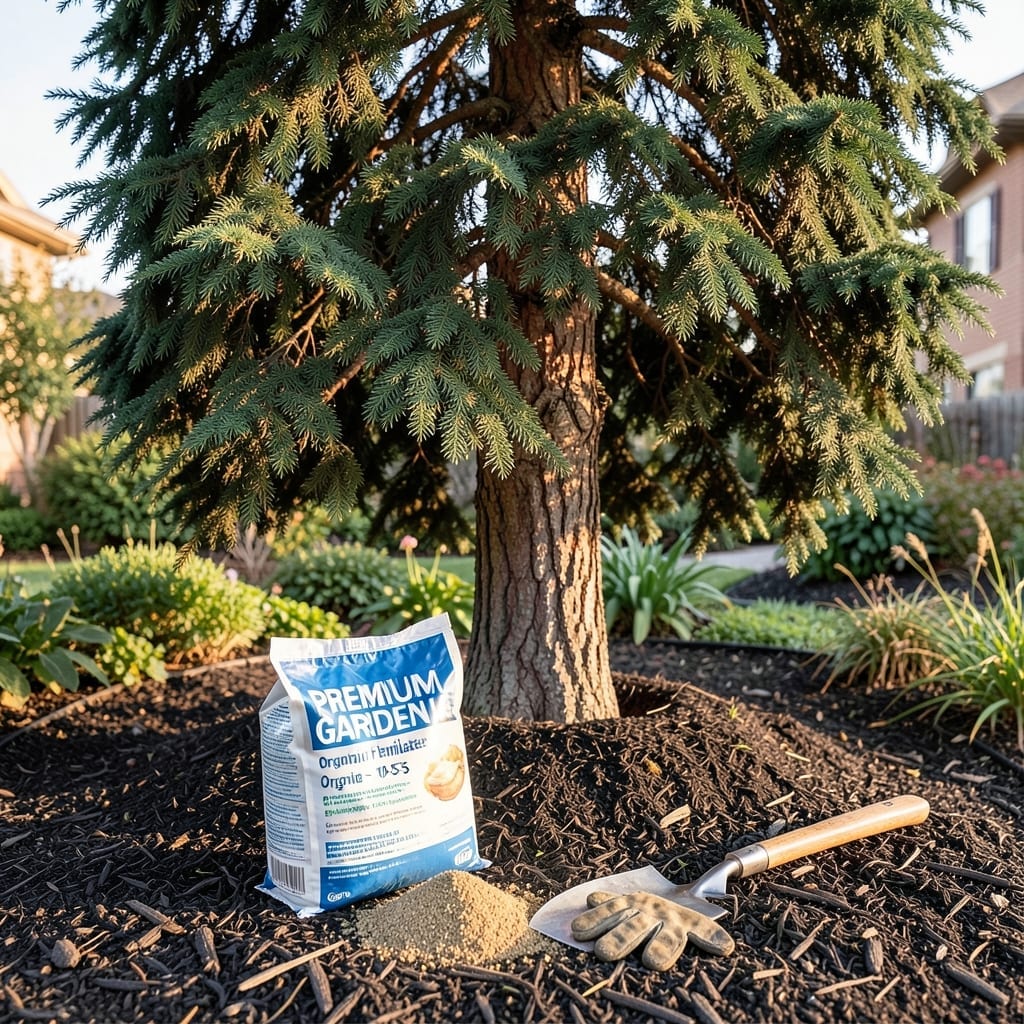
Cedar trees can transform any landscape, but without proper care, they might not reach their full potential. I’ve seen firsthand how the right nutrients make all the difference for these majestic 🌳 evergreens.
Choosing the wrong fertilizer can do more harm than good, stunting growth or even damaging your Cedar Tree. The good news? Organic blends offer a safer and more effective way to nourish them.
From compost to fish emulsion, the options can feel overwhelming. But don’t worry—I’ll break down the best choices and how to use them for vibrant, lush growth.
Discover the simple steps to fertilize your Cedar Tree like a pro and watch it thrive in zones 4-9.
I’ve found that cedar trees respond best to organic fertilizers that mimic their natural forest floor diet. These evergreens thrive on slow-release nutrients that won’t shock their root systems or alter soil pH dramatically.
Organic options like compost and fish emulsion provide balanced nutrition while improving soil structure. They’re particularly effective for cedars because they support the mycorrhizal fungi that help roots absorb water and minerals.
| Fertilizer Type | NPK Ratio | Best For | Key Benefit |
|---|---|---|---|
| Compost | 1-1-1 | Soil amendment | Improves drainage and microbial activity |
| Fish Emulsion | 5-1-1 | Foliar feed | Quick nitrogen boost for foliage growth |
| Bone Meal | 3-15-0 | Root development | High phosphorus for strong roots |
| Kelp Meal | 1-0-2 | Soil conditioner | Adds trace minerals and growth hormones |
Compost is my top recommendation for cedars because it’s gentle and improves soil aeration. I apply a 2-3 inch layer around the base annually, keeping it 6 inches from the trunk to prevent rot.
Fish emulsion works wonders for a quick green-up when cedars look pale. I dilute it to half strength and apply as a foliar spray in early morning to avoid leaf burn from the sun.
For newly planted cedars, I mix bone meal into the planting hole to encourage root establishment. This is especially helpful in poor soils where phosphorus may be lacking.
Kelp meal is my secret weapon for stress resistance. It’s packed with potassium and micronutrients that help cedars withstand drought and extreme temperatures. I sprinkle it around the drip line twice a year.
I always test my soil before applying any fertilizer. Cedar trees prefer slightly acidic to neutral pH (6.0-7.0). If your soil is too alkaline, sulfur amendments can help bring it into the ideal range.
Remember that less is more with cedar fertilization. These trees are low-maintenance and can suffer from nutrient burn if over-fed. I stick to one application in early spring and a light feeding in early fall.
The key is observing your trees. If your cedars have vibrant green needles and steady growth, they’re likely getting what they need. Yellowing needles or stunted growth may signal it’s time to adjust your fertilization approach.
🌳
Timing is everything when it comes to feeding your cedar trees. I always recommend early spring as the best time to apply fertilizer, just as the tree exits dormancy and new growth begins.
For established trees, a late fall application can help fortify roots before winter. But avoid fertilizing during summer heat or winter dormancy, as this can stress the tree.
For young cedars, I suggest a liquid fertilizer every 6-8 weeks during the growing season. This ensures they get a steady supply of nutrients without overwhelming their developing root systems.
Always test your soil first. Cedar trees prefer slightly acidic to neutral soil (pH 6.0-7.0). If your soil is too alkaline, amend it with sulfur or peat moss before fertilizing.
Granular fertilizers are my go-to for mature cedars because they release nutrients slowly. Apply them around the drip line, not the trunk, to avoid root burn.
If you notice yellowing needles or stunted growth, it might be a sign of nutrient deficiency. In that case, a foliar spray of liquid fertilizer can provide a quick boost.
Remember, more isn’t always better. Over-fertilizing can lead to excessive foliage growth at the expense of root development, making your cedar more susceptible to drought and disease.