
Beautiful Plants For Your Interior
Beautiful Plants For Your Interior
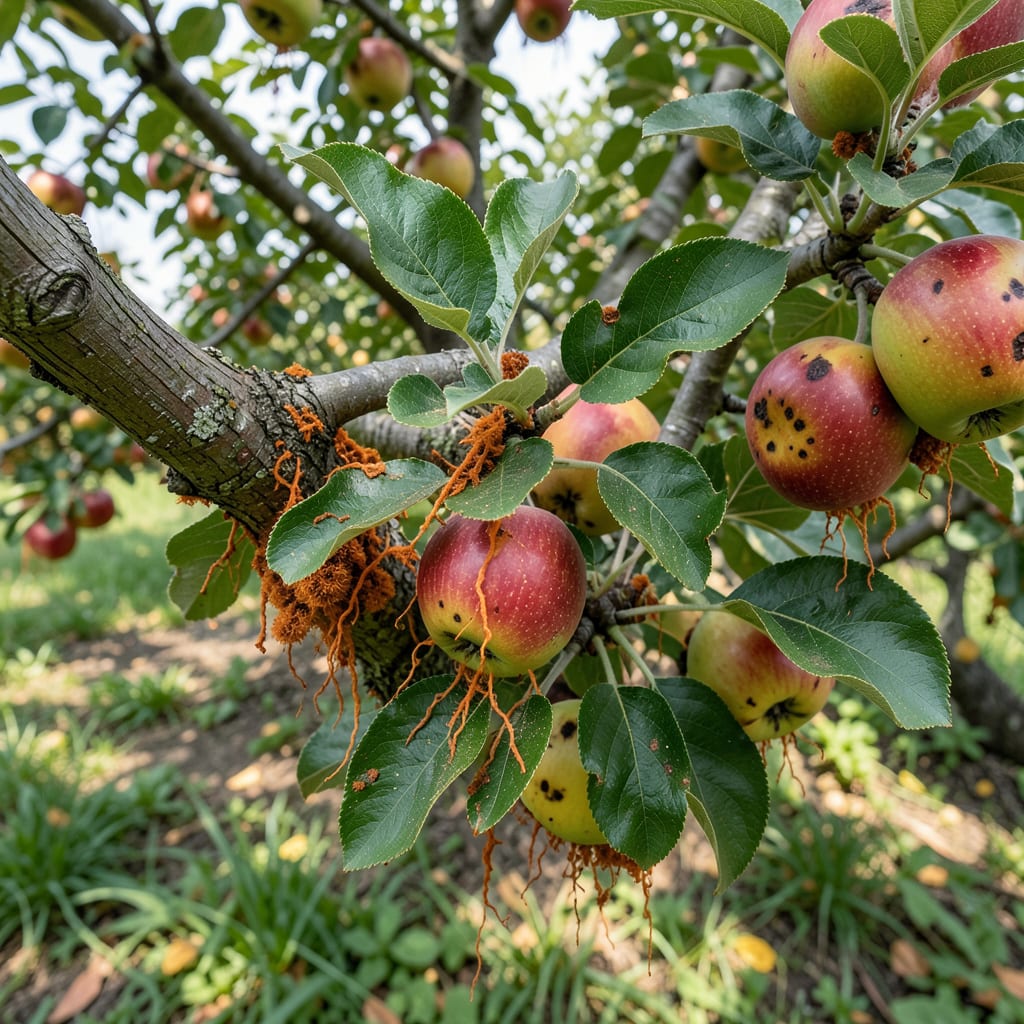
Spotted orange lesions on your apple leaves mean trouble. Cedar apple rust spreads fast between junipers and apples, turning healthy foliage into a diseased mess by midsummer.
I first noticed it when my fruit started dropping early—2 weeks before harvest. The culprit was those telltale bright spots on the upper leaf surfaces, matching the galls on my neighbor’s cedar fence.
Left unchecked, this fungus weakens trees, reduces yields, and can kill young apples. The good news? Organic removal methods work if you catch it early and stay consistent.
No fancy sprays needed—just vigilance and the right timing. Here’s how to spot it, stop it, and keep your trees productive.
Cedar apple rust is a fungal disease that thrives under specific environmental and biological conditions. Understanding its causes helps in prevention and management.
The primary cause is the fungus Gymnosporangium juniperi-virginianae, which requires two host plants to complete its life cycle: cedar trees (Juniperus species) and apple or crabapple trees (Malus species). The fungus overwinters in galls on cedar trees, producing spores in spring that infect apple tree leaves, fruits, and twigs.
The fungus spreads most effectively in cool, wet weather. Rain or heavy dew provides the moisture needed for spore germination and infection. Temperatures between 50–75°F (10–24°C) are ideal for spore release and apple tree infection, making spring a high-risk period.
Apple trees planted within 1–2 miles of cedar trees (especially Eastern red cedar) are at higher risk. The fungus’s spores can travel via wind, so even distant cedars may contribute. Urban and suburban landscapes often mix these species, increasing susceptibility.
Some apple and crabapple varieties lack genetic resistance. Common susceptible types include McIntosh, Jonathan, and Gravenstein. Growers should opt for resistant cultivars like Liberty, Freedom, or Redfree to reduce infection risk.
Here’s how to tackle cedar apple rust based on its cause, with actionable steps and prevention tips to keep your trees healthy.
If you spot orange galls on cedar or yellow-orange spots on apple leaves, prune and destroy the affected branches immediately. Use sterilized pruning shears to avoid spreading the fungus. Bag and dispose of the debris—do not compost, as spores can linger.
Prevention: Inspect trees regularly in spring and early summer when spores are most active.
For severe infections, apply a copper-based fungicide or sulfur spray before symptoms appear. Timing is key: treat in early spring (just as buds swell) and again after petal fall. Repeat every 7–10 days during wet weather.
Prevention: Rotate fungicides to prevent resistance, and always follow label instructions for safety.
Cedar apple rust thrives when juniper (cedar) hosts are nearby. If possible, remove junipers within 1,000 feet of your apple trees. If eradication isn’t an option, prune galls from junipers in late winter before they release spores.
Prevention: Plant rust-resistant apple varieties like ‘Liberty’ or ‘Enterprise’ to reduce future risks.
Fallen leaves and fruit can harbor spores over winter. Rake and destroy all debris under trees in autumn. Mulch with fresh, clean straw to suppress spores in the soil.
Prevention: Keep the area around trees weed-free to improve air circulation and reduce humidity.
💡 Pro Tip: Encourage beneficial fungi and bacteria in your soil with compost tea—healthy trees resist disease better!
Keep cedar trees at least 1,000 feet away to reduce infection risk. The fungus spores can travel on wind, so distance is your best defense. If removal isn’t possible, prune galls from cedars in late winter.
Watch for bright orange or yellow spots on apple leaves in spring. On cedars, look for brown, golf-ball-sized galls. Early detection means easier control.
A baking soda spray (1 tablespoon per gallon of water) can help, but it’s less effective than fungicides. Apply every 7–10 days in wet weather for best results.
Resistant varieties like Liberty or Freedom rarely show symptoms, but severe spore pressure can still cause minor issues. They’re your best bet for low-maintenance trees.
