
Beautiful Plants For Your Interior
Beautiful Plants For Your Interior
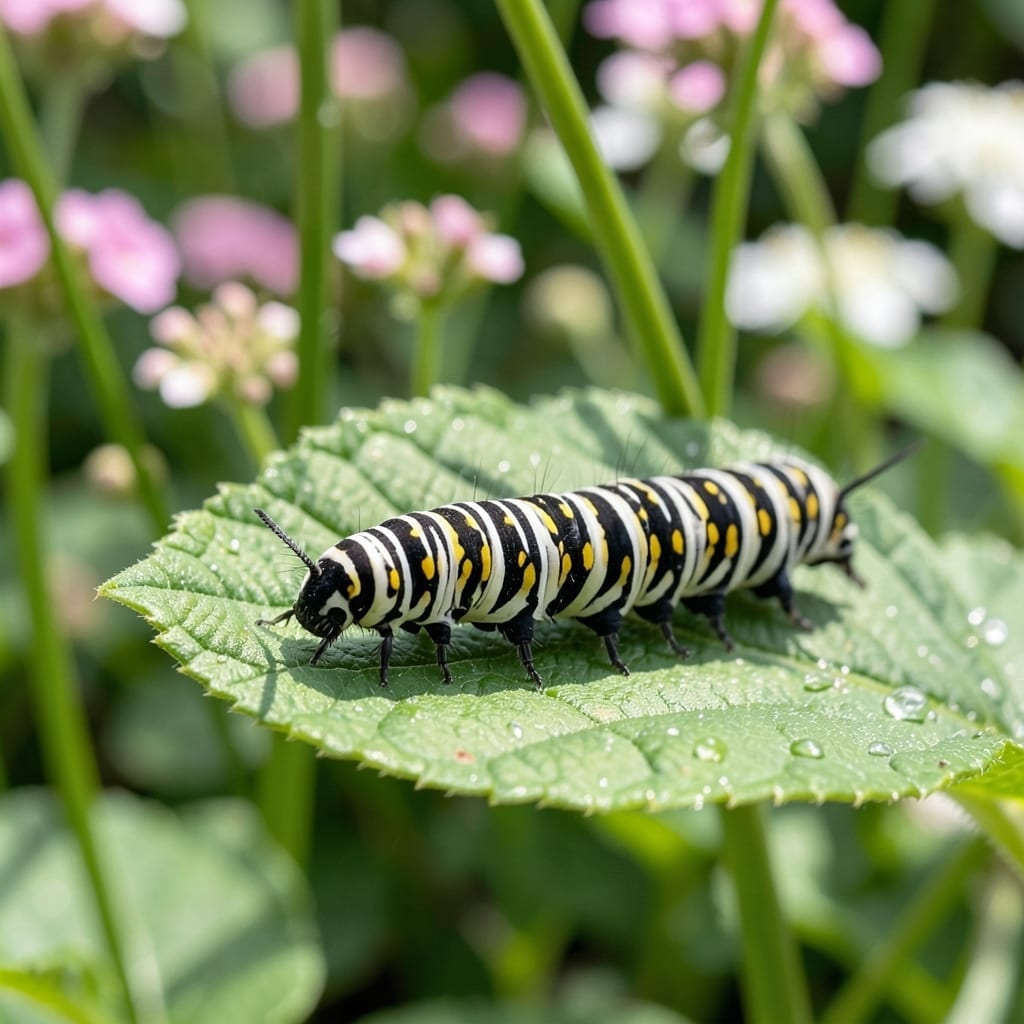
Not every striped caterpillar is a monarch in disguise. I’ve spotted countless lookalikes in my garden, and telling them apart matters for your plants.
Some are harmless mimics, while others can defoliate your milkweed overnight. The key is in the details—color patterns, body shape, and what they’re munching on.
You’ll learn to spot the differences quickly with a little practice. A close look at their markings can save your garden from pests or help you protect the real monarchs.
This guide will help you identify and manage these caterpillars before they become a bigger problem.
Nature’s mimicry is a survival tactic, and some caterpillars have evolved to resemble monarch larvae for a very good reason. Here’s why this deception occurs:
Many caterpillars mimic monarchs to exploit their unpalatability. Monarch caterpillars feed on milkweed, which contains toxic cardiac glycosides. Predators learn to avoid their bright stripes and patterns. Impostors—like the Viceroy caterpillar—copy these warning signals, tricking predators into thinking they’re just as toxic. This is called Batesian mimicry, where a harmless species gains protection by resembling a harmful one.
In some cases, both the mimic and the model (like monarchs) are toxic. This is Müllerian mimicry, where multiple unpalatable species evolve similar appearances to reinforce the lesson for predators. Fewer attacks mean higher survival rates for all involved. Some caterpillars in the Danainae subfamily, for example, share the monarch’s coloration because they, too, are chemically defended.
This mimicry isn’t accidental—it’s the result of natural selection. Caterpillars with even slight resemblances to monarchs were more likely to survive and reproduce. Over time, their offspring inherited and refined these traits, leading to the striking similarities we see today. Environmental pressures, like shared habitats or predator types, speed up this process.
Spotting these imposters starts with knowing the real monarch’s details: look for black filaments (antennae-like structures) on both ends and a consistent pattern of yellow, black, and white bands. Mimics often miss these finer points!
If you’ve spotted caterpillars that resemble monarchs, don’t panic—there are simple ways to confirm whether they’re the real deal or clever imposters. Here’s how to solve the confusion and ensure your garden stays monarch-friendly.
Monarch caterpillars have bold black, white, and yellow stripes running the length of their bodies. Imposters, like the queen butterfly caterpillar, may have similar patterns but often lack the sharp contrast or have additional markings. Use a magnifying glass for a closer look at the details.
Monarch caterpillars only feed on milkweed. If you find a lookalike on a different plant, it’s likely not a monarch. Remove non-milkweed plants near your garden to discourage imposters from settling in. Plant native milkweed varieties to attract genuine monarchs.
True monarch caterpillars have two black filaments (antennae) on their head and tail. Some imposters, like the soldier caterpillar, may have different colored or shaped projections. Gently observe these features without handling the caterpillar to avoid harm.
By following these steps, you’ll quickly become an expert at spotting the real monarchs and keeping your garden thriving. 🌟
Some are, some aren’t. The queen and soldier caterpillars also eat milkweed but won’t kill it. The milkweed tussock moth caterpillar, however, can defoliate plants quickly. Check for fuzzy spines or orange markings to spot the troublemakers.
Look for the black filaments. Monarchs have two on both ends, while queens have three pairs. Queens also have a slightly paler stripe pattern. A magnifying glass makes the difference obvious.
No, they don’t. Despite the similar larva stage, mimics like the queen or viceroy develop into completely different butterfly species. Only true monarch caterpillars will transform into monarch butterflies.