
Beautiful Plants For Your Interior
Beautiful Plants For Your Interior
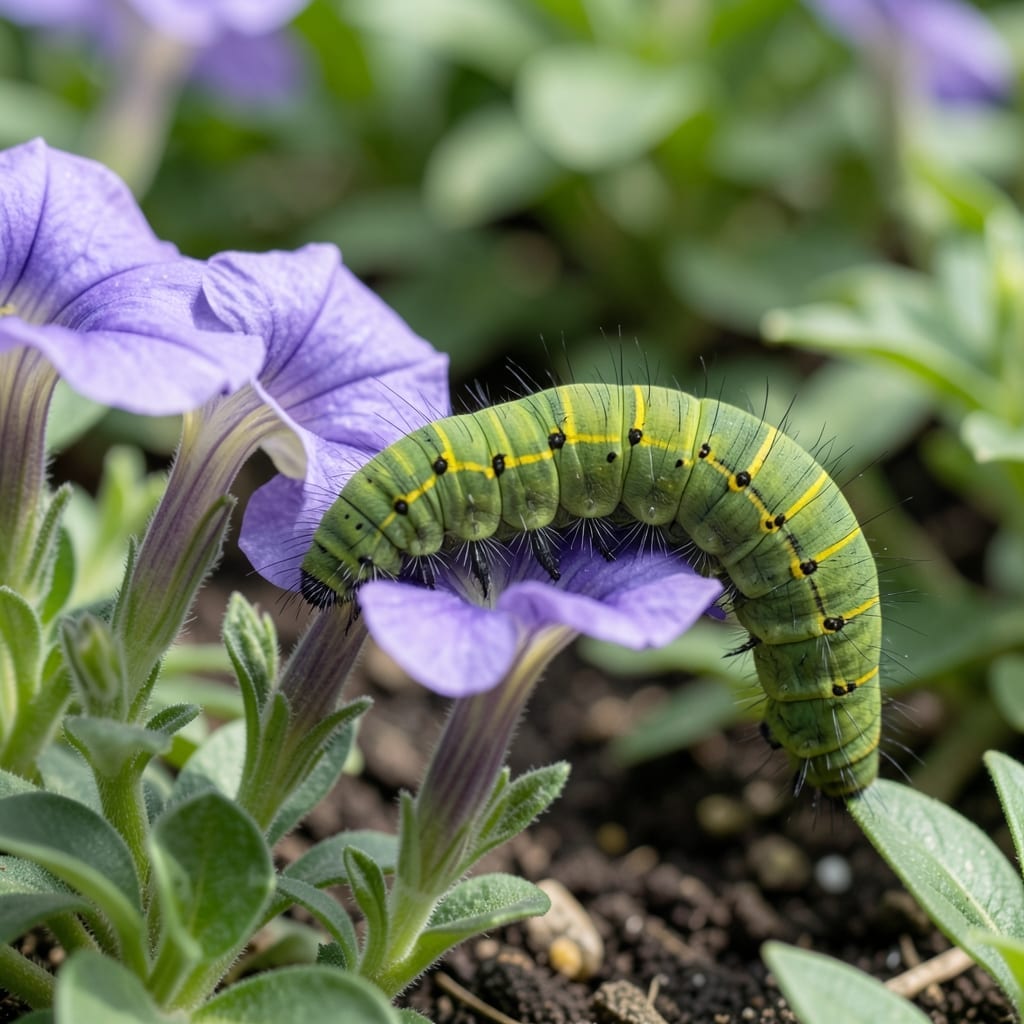
Yesterday, my petunias looked stunning—today, they resemble Swiss cheese. Caterpillars move fast, turning vibrant blooms into a buffet overnight without warning.
I spotted the culprits first: tiny green worms blending into leaves. The damage starts small but spreads quickly, leaving ragged edges and skeletonized foliage that weakens the entire plant.
Here’s the thing—these pests are easy to control if you catch them early. A daily 2-minute inspection of your plants can save weeks of frustration and restore your garden’s beauty.
Organic solutions work best for me, but there are chemical options too. The key is acting before they multiply and the problem spirals out of control.
Caterpillars munching on your petunias isn’t just bad luck—it’s nature at work. These voracious eaters are drawn to petunias for specific reasons, and understanding the why helps you prevent future infestations. Below are the most common causes, backed by science and gardening expertise.
Petunias are rich in nutrients and moisture, making them a prime target for caterpillars like Heliothis virescens (tobacco budworm) and Spodoptera spp. (armyworms). These pests are opportunistic feeders, and petunias provide the soft, tender foliage and flowers they prefer during their larval stage. The higher the plant’s sugar content—common in blooming petunias—the more attractive it becomes.
Warm, humid weather accelerates caterpillar activity. Petunias thrive in these same conditions, creating a perfect storm for infestation. Temperatures between 70–85°F (21–29°C) speed up caterpillar metabolism, increasing their appetite. Overwatered or densely planted petunias also retain moisture, which softens leaves and makes them easier to consume.
Adult moths lay eggs on or near petunias, often on the undersides of leaves. Species like the Petunia budworm specifically target these plants because their larvae are specialized to digest petunia toxins. A single moth can deposit dozens of eggs in a night, leading to rapid population growth if left unchecked. The cycle repeats every 2–4 weeks in optimal conditions.
In gardens with limited biodiversity, caterpillars face fewer threats from predators like birds, parasitic wasps, or ground beetles. Monoculture plantings (e.g., rows of only petunias) eliminate natural checks on their population. Without these predators, caterpillars can multiply unopposed, turning your petunias into an all-you-can-eat buffet.
If caterpillars are turning your petunias into a buffet, don’t panic—there are simple, effective ways to reclaim your garden. Below are targeted solutions for common causes, plus prevention tips to keep your blooms safe.
For small infestations, the most straightforward fix is to manually remove caterpillars. Check your petunias daily, especially under leaves and near buds. Drop pests into a bucket of soapy water to ensure they don’t return. Prevention tip: 💡 Wear gloves and inspect plants in the early morning or late evening when caterpillars are most active.
Discourage caterpillars with organic sprays. A mix of neem oil or garlic-water solution can deter them without harming beneficial insects. Spray every 3–5 days or after rain. Prevention tip: 🌿 Plant companion herbs like basil or mint near petunias—their strong scents repel many pests naturally.
Introduce Bacillus thuringiensis (Bt), a natural bacteria that targets caterpillars but is safe for plants, pets, and people. Apply it to leaves, focusing on areas with visible damage. Reapply after heavy rain. Prevention tip: ✨ Encourage birds and beneficial insects (like ladybugs) by adding birdhouses or native plants to your garden—they’ll help keep caterpillar populations in check.
Protect petunias with physical barriers like floating row covers or fine mesh netting. Secure the edges to prevent caterpillars from crawling underneath. Prevention tip: 🎯 Remove the covers during the day if your petunias need pollinators, then replace them at dusk when moths (which lay caterpillar eggs) are active.
Caterpillars thrive in debris, so clear away fallen leaves, weeds, and plant residue regularly. This removes hiding spots and food sources. Prevention tip: 🌡️ Rotate petunias with other plants each season to disrupt pest life cycles.
Look for tiny holes in leaves and dark droppings on foliage. Check undersides of leaves daily, especially in the morning when caterpillars are most active.
Yes! Neem oil or garlic spray works well. Plant basil or mint nearby—their scent repels pests naturally.
Bt (Bacillus thuringiensis) is a safe, targeted bacteria. Avoid broad-spectrum pesticides—they harm beneficial insects too.
They might. Reapply treatments every 3-5 days or after rain. Remove eggs and debris to prevent new infestations.