
Beautiful Plants For Your Interior
Beautiful Plants For Your Interior
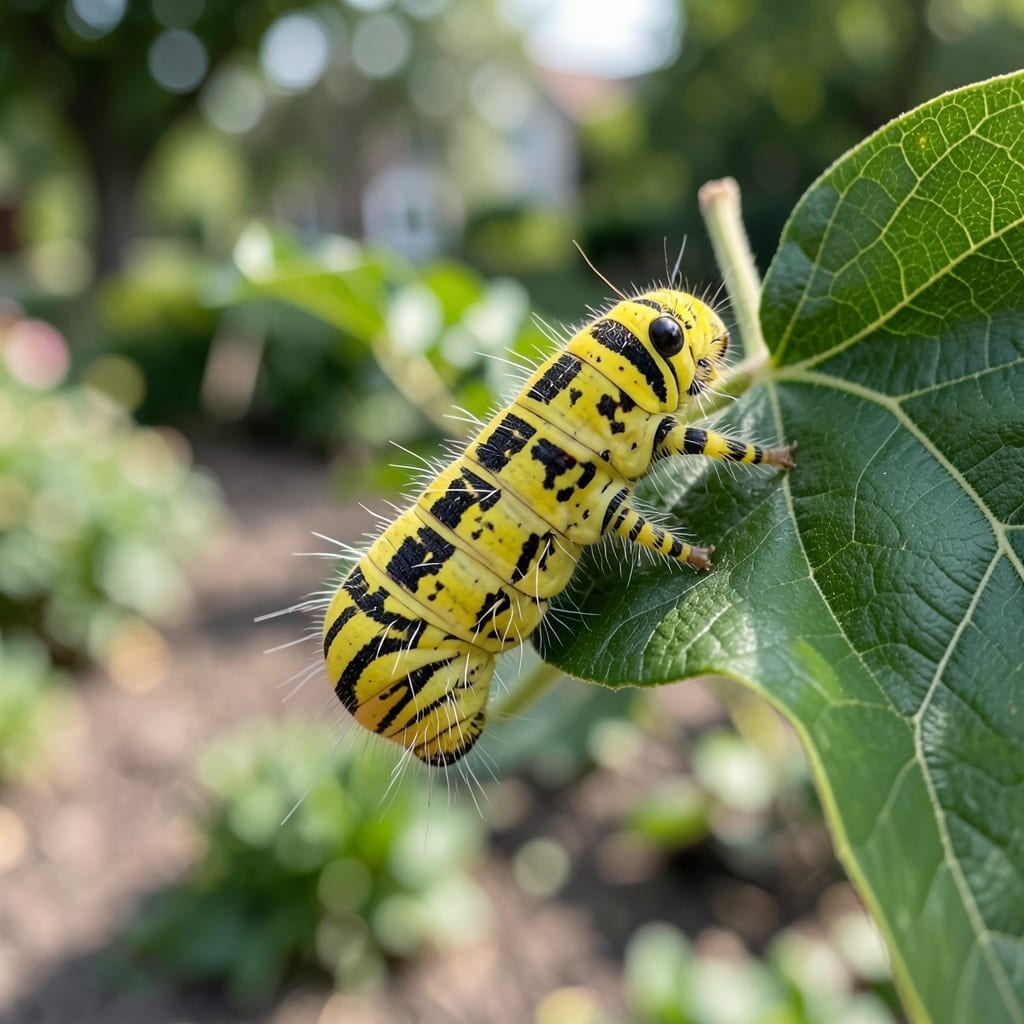
Those long, worm-like caterpillars munching on your catalpa leaves aren’t just ugly—they’re eating machines. I first spotted them last summer, and within 48 hours, entire branches looked like Swiss cheese.
Here’s the thing—they’re easy to miss until the damage is done. Look for dark stripes, yellow sides, and the telltale black spines. The good news? They rarely kill mature trees, but young ones need protection.
You’ll want to act before they defoliate your catalpa completely. Early morning is the best time to spot them clustering on leaves. They’re slow movers, so hand-picking works if the infestation is small.
Safe removal keeps your tree healthy without harsh chemicals. The key is timing—catch them before they spin cocoons and multiply.
Catalpa trees are a magnet for caterpillars due to a mix of biological and ecological factors. Here’s why these pests thrive on them:
The catalpa sphinx moth (Ceratomia catalpae) has evolved a specialized relationship with catalpa trees (Catalpa spp.). These trees are their primary host plants, meaning caterpillars rely on them as a food source. The leaves contain compounds that caterpillars can digest efficiently, while the tree’s chemistry offers minimal resistance, making it an ideal breeding ground.
Catalpas produce large, heart-shaped leaves packed with nutrients, which provide ample food for growing caterpillars. The high moisture and protein content in the leaves support rapid larval development, allowing caterpillars to mature quickly and in large numbers.
Unlike some trees that produce toxic compounds to deter pests, catalpas have relatively weak chemical defenses. This makes them more vulnerable to infestation. While they do release some tannins and alkaloids, these are not enough to stop determined caterpillars like the catalpa sphinx.
Catalpa trees thrive in warm, temperate climates—the same conditions that caterpillars prefer. The combination of sunlight exposure, moderate humidity, and fertile soil creates a perfect habitat for both the tree and its pests. Additionally, urban and suburban landscapes often lack natural predators, allowing caterpillar populations to grow unchecked.
Dealing with catalpa tree caterpillars requires a mix of manual removal and natural deterrents to protect your trees without harming the ecosystem. Below are practical solutions tailored to the most common issues, along with prevention tips to keep your catalpa thriving. 🌳✨
If you spot a few caterpillars or their distinctive frass (droppings), act fast:
Prevention tip: 💡 Inspect your tree weekly during peak season (late spring to early summer) to catch infestations early.
For larger outbreaks, consider these options:
Prevention tip: 🌡️ Avoid broad-spectrum pesticides—they can kill pollinators and worsen long-term pest issues.
Healthy trees resist pests better. Strengthen your catalpa with:
Prevention tip: ✨ Remove fallen leaves and debris in autumn to eliminate overwintering pupae.
They have dark stripes, yellow sides, and black spines. Look for clusters on leaves during early morning.
Inspect your tree weekly from late spring to early summer. Early detection prevents major damage.
Avoid broad-spectrum pesticides—they harm pollinators. Use Bt or neem oil instead.
Yes, young trees need protection as heavy defoliation can stunt growth. Mature trees usually recover.