
Beautiful Plants For Your Interior
Beautiful Plants For Your Interior
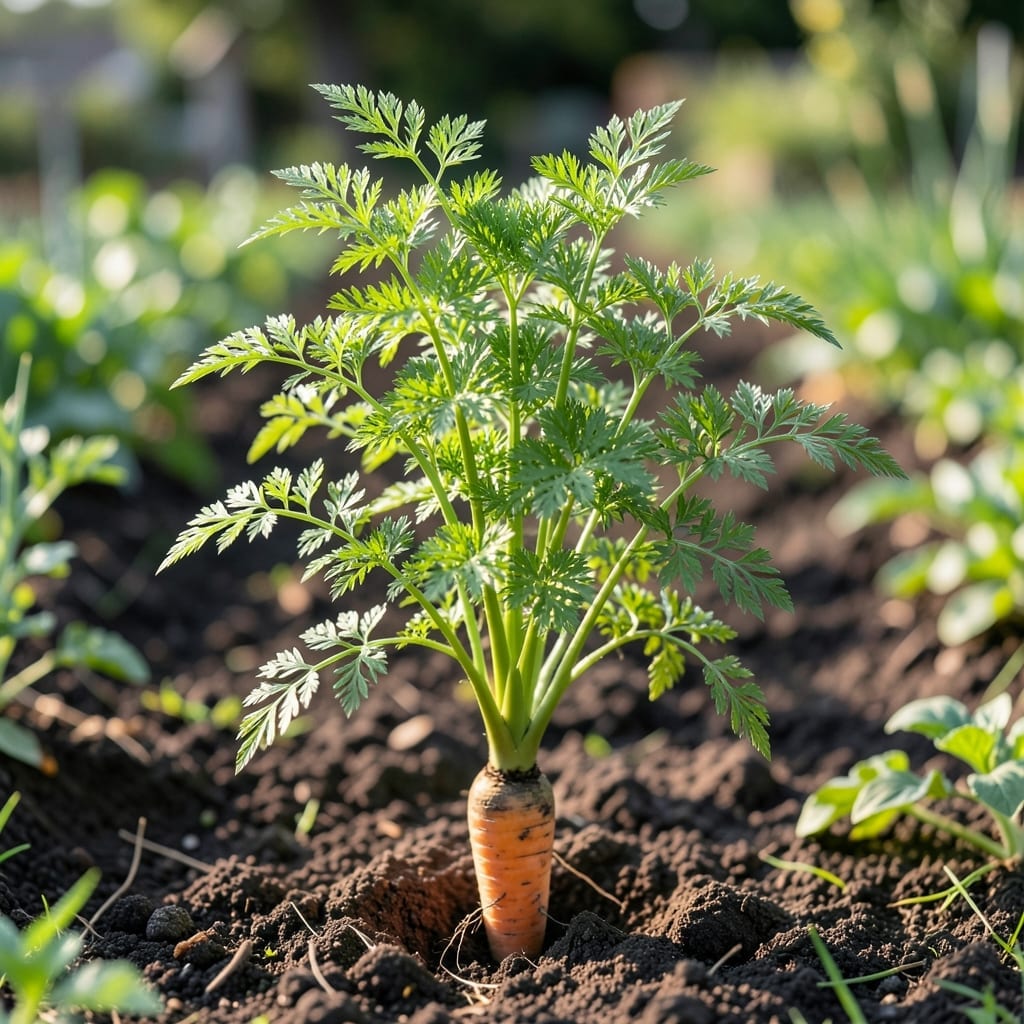
Did you know that the temperature your Carrots 🥕 experience can make or break your harvest? It’s true – these hardy root vegetables have specific needs that go far beyond just planting and watering.
I’ve learned the hard way that even a few degrees can mean the difference between sweet, crisp Carrots and tough, bitter ones. The right temperature range is the key to unlocking their full potential.
Whether you’re a seasoned gardener or just starting out, understanding how heat and cold affect your Carrots will transform your approach. It’s simpler than you might think to create the ideal conditions.
Let me walk you through what I’ve discovered about giving these vegetables exactly what they need to thrive. You’ll be amazed at the difference it makes in your garden.
I’ve found that carrots thrive in specific temperature ranges at each growth stage. Understanding these can help you maximize yield and avoid common pitfalls like bitter roots or poor germination. Let me break it down for you.
For germination, carrots prefer soil temperatures between 40°F and 85°F. However, the sweet spot is around 60°F to 65°F, where seeds sprout most reliably. Cooler soils slow germination, while warmer temps can speed it up.
| Growth Stage | Optimal Temperature |
| Germination | 40°F to 85°F |
| Foliage Growth | 60°F to 65°F |
| Root Development | 50°F to 75°F |
| Heat Stress | Above 80°F |
| Frost Tolerance | Down to 20°F |
Once sprouted, foliage growth performs best at 60°F to 65°F. This range encourages lush green tops without sacrificing root development. If temps rise above 75°F, foliage may grow excessively at the expense of the roots.
The root development stage is where temperature really matters. Carrots form the best roots between 50°F and 75°F. Cooler temps in this range produce sweeter, crunchier carrots, while warmer temps can lead to woody or bitter flavors.
Be cautious of heat stress. When temps climb above 80°F, carrots can bolt to seed, which means they’ll focus on flowering rather than growing edible roots. This is especially common in late spring or summer plantings.
On the flip side, carrots are cold-hardy. Mature carrots can tolerate frost down to 20°F without damage. In fact, a light frost can enhance sweetness by converting starches to sugars. This makes them ideal for fall and winter harvesting in many regions.
If you’re planting in early spring, aim for soil temps above 40°F for reliable germination. I like to use a soil thermometer to check conditions before sowing. It’s a small investment that can save a lot of guesswork.
For fall plantings, start seeds about 10-12 weeks before your first expected frost. This gives them enough time to mature before cold weather sets in. Row covers can help extend the season by a few weeks if needed.
Remember, consistent moisture is key, especially in warmer weather. Carrots have deep roots, so deep watering once or twice a week is better than frequent shallow watering. This encourages strong root growth and prevents cracking or forking. ☀️
Carrots handle cold better than heat, but extremes at either end can stunt growth or alter flavor. Mature carrots survive light frosts down to 20°F, while young plants wilt below 28°F. This resilience makes them ideal for early spring or fall crops
On the other end, heat above 80°F triggers bolting, where the plant shifts energy to flowering instead of root development. The result? Tough, bitter carrots with poor texture. Even temperature swings can cause cracking or forked roots
⚠️ Heat & Cold Alert
Mature carrots tolerate 20°F frosts, but 80°F+ causes bolting. Use row covers to protect from extremes.
I’ve seen temperature stress turn a promising carrot patch into a disappointment. The key is monitoring soil temperature, not just air. Carrots prefer 60-65°F soil for steady growth, but above 75°F slows root expansion
For cold climates, start seeds under row covers to trap warmth. In hot regions, plant in partial shade or use mulch to keep soil cool. Both methods buffer against temperature shocks
Flavor changes too—cold-sweetens carrots by converting starches to sugars, while heat increases bitterness. That’s why fall-harvested carrots often taste sweeter than summer-grown ones
If you notice yellowing foliage or stunted growth, check your thermometer. Adjusting planting times or adding shade cloth can save your crop from stress 🌡️