
Beautiful Plants For Your Interior
Beautiful Plants For Your Interior
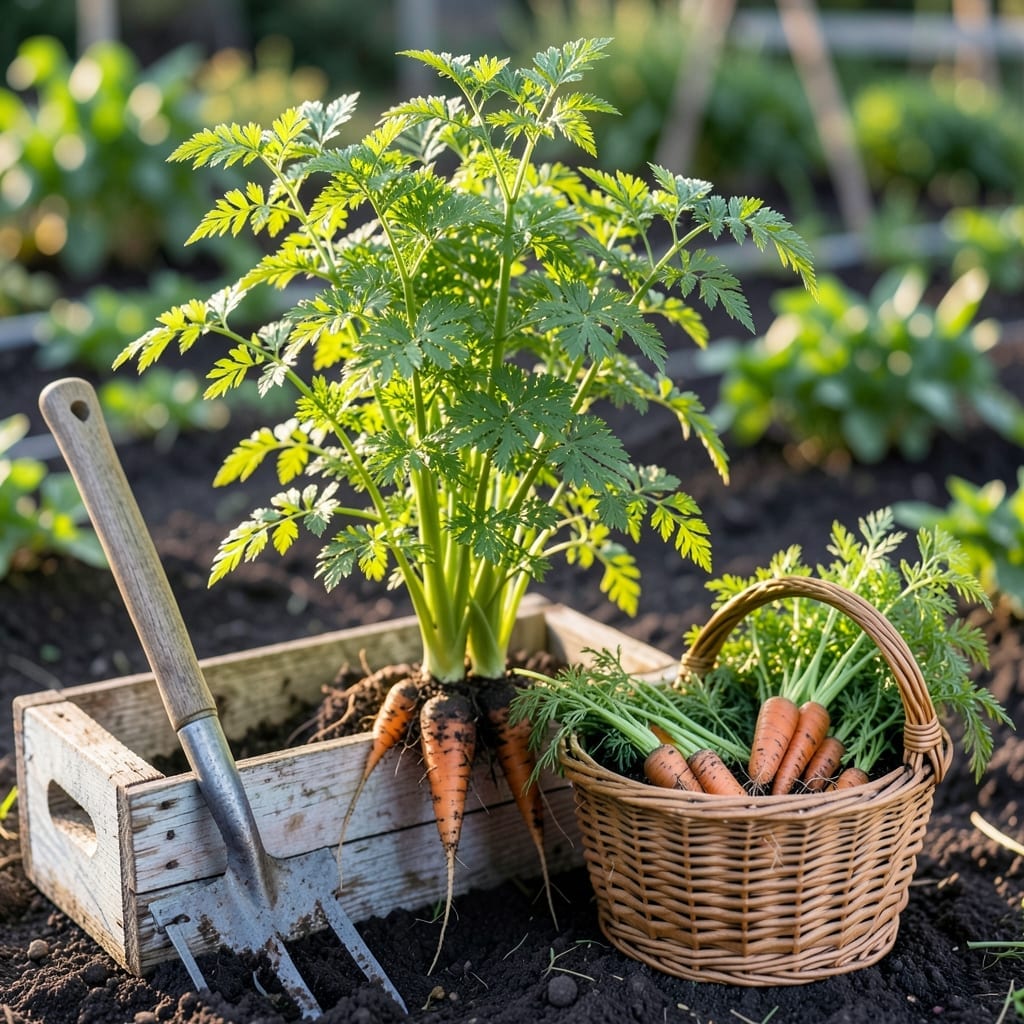
There’s nothing quite like pulling a perfect carrot from the soil—crisp, sweet, and ready to enjoy. But how do you know when your 🥕 are truly at their peak?
Timing your harvest right can transform your crop from disappointing to delicious. I’ve learned that waiting for the right moment makes all the difference in flavor and texture.
Whether you’re a first-time gardener or a seasoned pro, knowing the visual cues is the key to success. The signs are subtle but unmistakable once you know what to look for.
Discover how to identify that golden window when your carrots are just right—no guesswork required. Let’s dig into the details together.

I always check for shoulder diameter first when determining carrot harvest time. A mature carrot typically has a ½ to ¾ inch width at the soil line. This is your first visual clue that the root is ready.
Another telltale sign is color intensity. Bright, vibrant orange indicates maturity, while pale or whitish roots need more time. I also look for shoulders peeking above the soil surface.
| Sign | Description |
|---|---|
| Shoulder Diameter | ½ to ¾ inch wide |
| Color Intensity | Vibrant orange |
| Shoulders Visible | Peeking above soil |
| Foliage Health | Lush and green |
The foliage health also gives me clues about carrot harvest time. Lush, green tops suggest active growth, while slight yellowing can indicate maturity. However, don’t wait until leaves turn completely yellow.
For days to maturity, I always check the seed packet. Early varieties like Nantes may be ready in 50-60 days, while larger types like Danvers can take 70-80 days. This varies by climate and soil conditions.
I find that soil temperature affects harvest time too. Carrots grow best in 60-65°F soil. In cooler climates, they may take longer to mature. In warmer areas, they might reach harvest size more quickly.
Another trick I use is gentle digging around the base of a few plants. If the roots look thick and have good color, it’s time to harvest. Be careful not to damage the carrots during this check.
Remember that overmature carrots can become woody and bitter. I’ve learned that it’s better to harvest a little early than too late, especially for the sweetest flavor.
For the best texture, I harvest carrots in the cool morning hours. This helps preserve their crispness. I also make sure the soil is moist but not waterlogged when pulling them.
Finally, I always use a garden fork to carefully loosen the soil around carrots before pulling. This prevents breakage and ensures I get the full root intact. Proper technique is just as important as perfect timing.
By combining these visual cues with the days to maturity information, I consistently get the best results from my carrot harvests. 🌿
Timing your carrot harvest depends heavily on the variety you’ve planted. Early types like Nantes mature in 50-60 days, while late varieties such as Danvers can take 70-80 days. Each has its own sweet spot for flavor and texture.
Late-season carrots, like Chantenay, often develop deeper color and sweeter taste if left longer in cool soil. Knowing these differences helps you plan succession planting for a steady supply all season long.
| Variety | Days to Maturity | Best Harvest Window |
|---|---|---|
| Nantes | 50-60 | Early summer |
| Chantenay | 65-70 | Mid-summer |
| Danvers | 70-80 | Late summer |
I always check the seed packet for the expected maturity range, but I also rely on visual cues. For example, Nantes carrots are ready when their shoulders are about ¾ inch wide and peeking above the soil.
Late varieties like Danvers benefit from staying in the ground a bit longer, especially if the weather stays cool. This extra time enhances their sweetness and crunch, making them perfect for storage.
If you’re planting multiple varieties, stagger your sowing dates by 2-3 weeks. This ensures a continuous harvest rather than a single large batch. I’ve found this method keeps my garden productive from early summer to fall. 🌱
Remember, soil temperature and moisture levels can speed up or slow down maturity. Carrots in warmer soil may mature faster, but they can also become woody if left too long.
For the best results, harvest in the morning when the soil is moist. This makes pulling easier and reduces the risk of breaking the roots. A little patience pays off with perfect, homegrown carrots every time. 🌿