
Beautiful Plants For Your Interior
Beautiful Plants For Your Interior
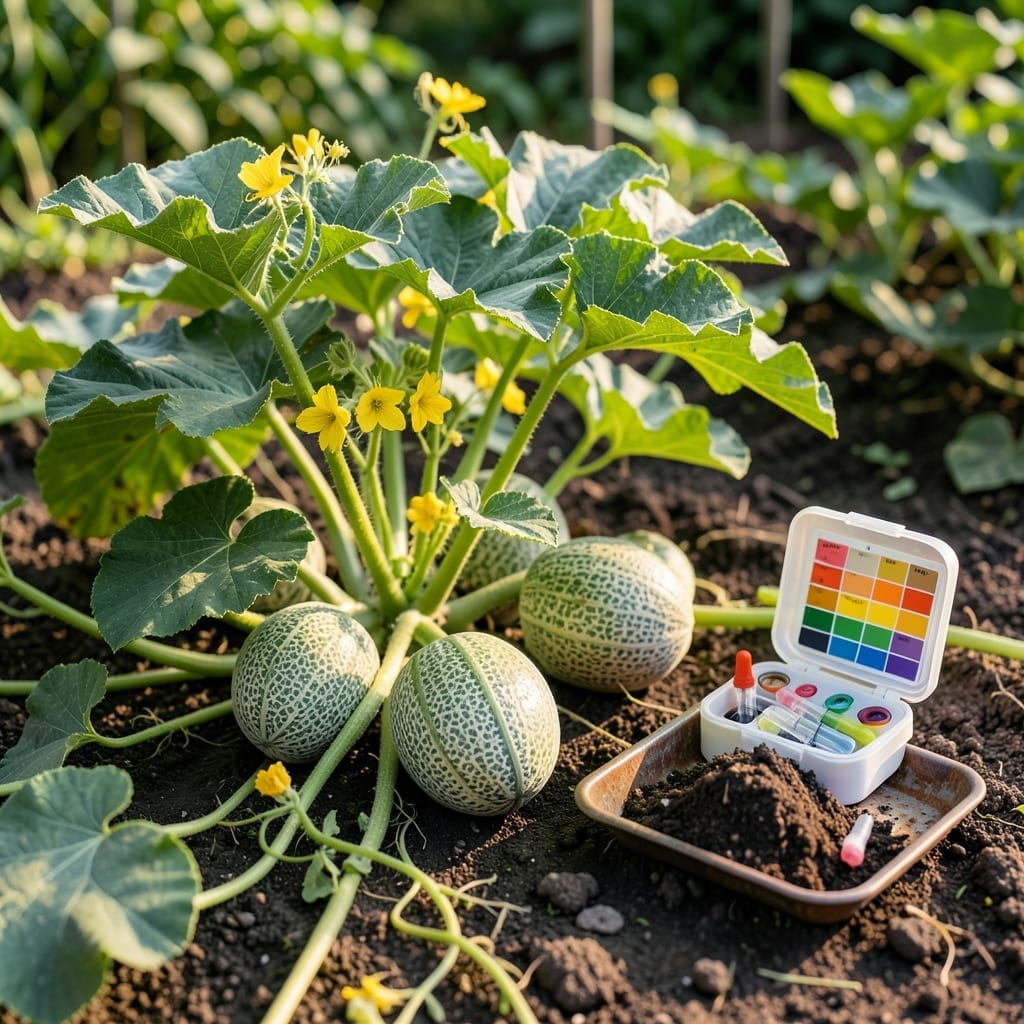
There’s nothing quite like biting into a perfectly ripe 🍈 Cantaloupe, its sweetness exploding with every juicy bite. But did you know the secret to that flavor starts underground?
Getting the soil conditions just right makes all the difference for your Cantaloupe. The pH level is the key to unlocking those sugars that make homegrown melons taste so incredible.
I’ve learned through trial and error that even small pH imbalances can leave you with bland fruit. The good news? Testing and adjusting your soil is easier than you might think.
Let me walk you through everything you need to know to create the perfect growing environment for your Cantaloupe. Your taste buds will thank you when harvest time rolls around.
Growing sweet cantaloupes starts with understanding your soil pH. The ideal pH range for these melons is 6.0 to 6.8, which is slightly acidic to neutral. This balance ensures your cantaloupe plants absorb essential nutrients efficiently.
When soil pH is too low or too high, nutrient uptake suffers. For example, phosphorus becomes less available in highly acidic soil, while iron and manganese may become toxic in overly alkaline conditions. Keeping your soil in the 6.0-6.8 range prevents these issues.
| Requirement | Specification |
|---|---|
| Ideal pH Range | 6.0 – 6.8 |
| Soil Type | Well-draining loam |
| Nutrient Focus | Nitrogen, Phosphorus, Potassium |
| pH Impact | Affects sweetness and growth |
I’ve found that cantaloupes grown in soil with a pH of 6.5 often produce the sweetest fruit. This is because the nutrient availability is optimized, allowing the plant to focus on fruit development rather than struggling to absorb nutrients.
If your soil test shows a pH below 6.0, your soil is too acidic. You can raise the pH by adding garden lime. Apply 1 pound per 100 square feet and retest after a few weeks. This adjustment helps neutralize acidity and improve nutrient balance.
On the other hand, if your soil pH is above 7.0, it’s too alkaline. To lower it, I recommend adding elemental sulfur or peat moss. Use 1 pound of sulfur per 100 square feet to gradually bring the pH down.
Remember, pH adjustments take time. It’s best to test your soil several months before planting. This gives amendments like lime or sulfur enough time to fully integrate and stabilize the soil pH.
In my experience, organic matter like compost or well-rotted manure can also help buffer pH levels. These materials improve soil structure and provide a steady supply of nutrients, creating a more stable growing environment for cantaloupes.
For the best results, I suggest testing your soil every 2-3 years. pH levels can change over time due to rainfall, fertilizer use, and plant growth. Regular testing ensures your cantaloupe plants always have the optimal conditions for growth.
Finally, keep in mind that local conditions can affect pH. If you’re unsure, consult your local extension office for advice tailored to your area. With the right pH balance, you’ll be well on your way to growing deliciously sweet cantaloupes every season. 🌱
Testing your soil pH is the first step toward sweet cantaloupes. I recommend starting with a DIY test kit from your local garden center. These are affordable and provide quick results in minutes.
For more precise readings, send a soil sample to a lab. This option costs more but gives detailed analysis of your soil’s nutrient levels and pH. Either way, you’ll know exactly where your soil stands. 🌱
If your pH is below 6.0, add garden lime. Use 1 pound per 100 square feet and work it into the top 6 inches of soil. Water thoroughly to help it dissolve and take effect.
For pH above 7.0, elemental sulfur is your best friend. Apply 1 pound per 100 square feet and mix it in well. Remember, these amendments take time to work, so plan ahead.
I always add organic compost when adjusting pH. It improves soil structure and helps buffer pH changes. Plus, it gives your cantaloupe plants a nutrient boost for healthier growth.
Testing and adjusting pH isn’t a one-time task. I check my soil every 2-3 years, or if I notice growth issues. Consistent soil health leads to the best cantaloupe harvests year after year. 🌿