
Beautiful Plants For Your Interior
Beautiful Plants For Your Interior
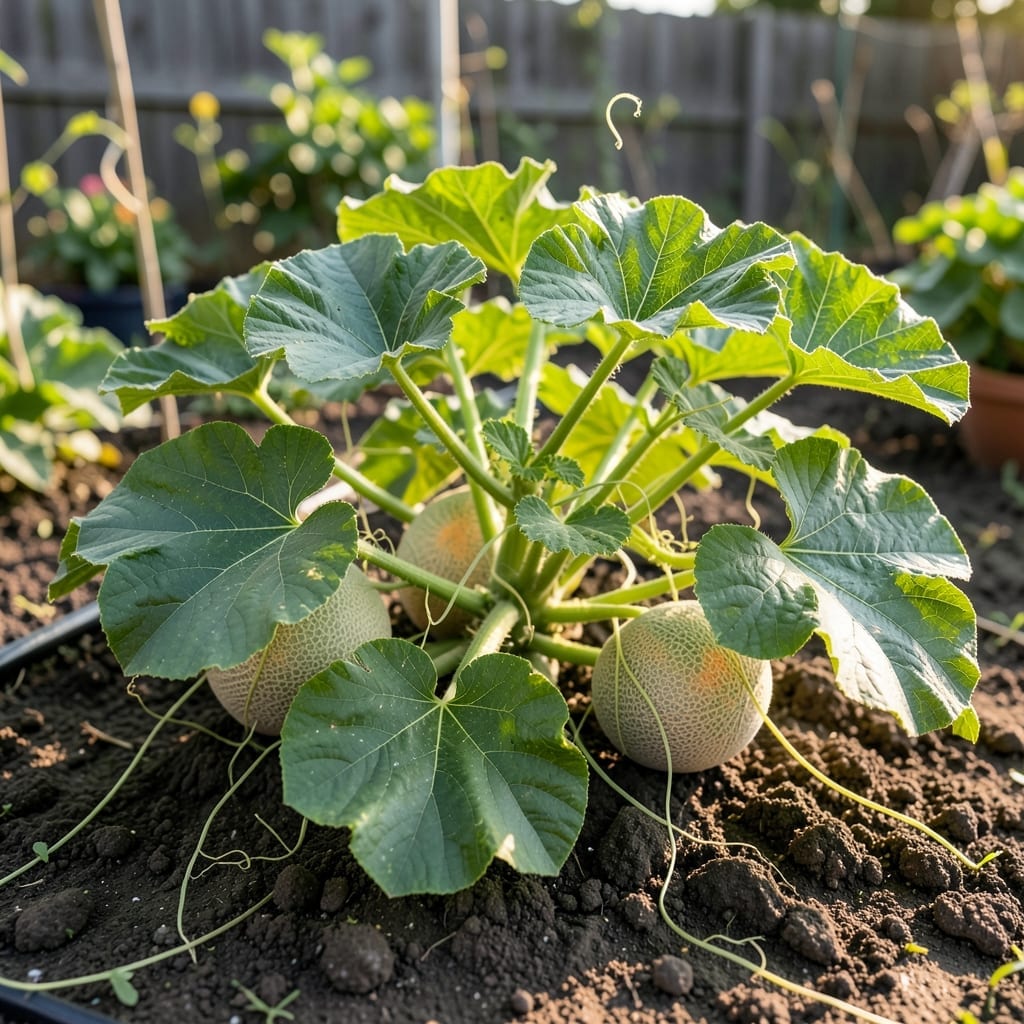
Watching a plump, golden 🍈 Cantaloupe ripen on the vine is one of summer’s greatest gardening rewards. But getting there requires more than just planting seeds.
I’ve learned that nurturing these sweet melons takes patience and the right techniques. From vine support to perfect ripening conditions, every step matters.
Discover how to grow juicy, flavorful Cantaloupes with expert tips that make all the difference.
Growing cantaloupe on the vine starts with recognizing its development stages. I watch for yellow flowers first, which signal the beginning of fruit formation. Once pollinated, tiny green melons appear and grow rapidly with proper care.
Supporting the vines is crucial. I use trellises to save space and improve air circulation, or let them sprawl on the ground with 3-4 feet of spacing between plants.
| Stage | Key Details |
|---|---|
| Flowering | Bright yellow blooms appear in 6-8 weeks |
| Fruit Set | Tiny melons form after pollination |
| Vine Growth | Can spread 6-10 feet if unsupported |
| Support | Trellis or ground spacing improves health |
For trellised cantaloupes, I use soft ties to secure vines as they climb. This prevents damage and makes harvesting easier. The fruit needs support too—I use mesh slings for developing melons to avoid strain on the vine.
Ground-grown vines need mulch to retain moisture and suppress weeds. I apply a 2-3 inch layer of straw or grass clippings around the base, keeping it a few inches away from the stem to prevent rot.
Early signs of healthy melons include vibrant green vines and steady growth. I check for uniform color and firm texture as the fruit develops. Any wilting or yellowing leaves may indicate pests or water stress.
Proper pruning helps focus the plant’s energy. I remove any side shoots that aren’t producing fruit, but I’m careful not to over-prune. The main vine should always have plenty of healthy leaves for photosynthesis.
Watering consistently is key. I give my cantaloupes 1-2 inches of water weekly, more during hot spells. Drip irrigation works best to keep foliage dry and prevent disease. Avoid wetting the leaves, especially in the evening.
I monitor for pests like aphids or cucumber beetles, which can damage vines and spread disease. Regular inspections and organic neem oil sprays help keep them at bay without harsh chemicals.
The netting pattern on the rind becomes more pronounced as the fruit matures. This is a good visual cue that the cantaloupe is progressing. I also watch for the color change from green to tan underneath the netting.
By supporting the vines properly and staying attentive to their needs, I ensure my cantaloupe on the vine grows strong and healthy, ready for a sweet, bountiful harvest ☀️
To maximize the sweetness of your cantaloupe on the vine, I focus on a few key factors. The most important is sunlight exposure—these melons need 6-8 hours of direct sun daily to develop their natural sugars.
I also pay close attention to watering practices. Overwatering dilutes the fruit’s sweetness, so I water deeply but only when the soil is dry an inch below the surface. A drip irrigation system helps me maintain consistent moisture without wetting the leaves.
Soil health plays a huge role too. I amend my garden beds with well-rotted compost before planting, which provides the nutrients needed for sweet fruit development. A soil test helps me adjust pH to 6.0-6.8, the ideal range for cantaloupes.
One common mistake I see is over-fertilizing. While cantaloupes need nutrients, too much nitrogen leads to leafy growth at the expense of fruit sweetness. I switch to a low-nitrogen fertilizer once the vines start running.
Temperature also affects flavor. I plant in warm soil (at least 65°F) and use row covers early in the season to retain heat. The warmer the growing conditions, the sweeter the melons will be.
Finally, I give my cantaloupes room to grow. Crowded plants compete for nutrients and sunlight, which can result in less sweet fruit. I space my plants 3-4 feet apart and thin out weak vines to direct energy to the strongest fruit.
With these practices, I consistently grow sweeter cantaloupes that are a joy to harvest and share 🌱