
Beautiful Plants For Your Interior
Beautiful Plants For Your Interior
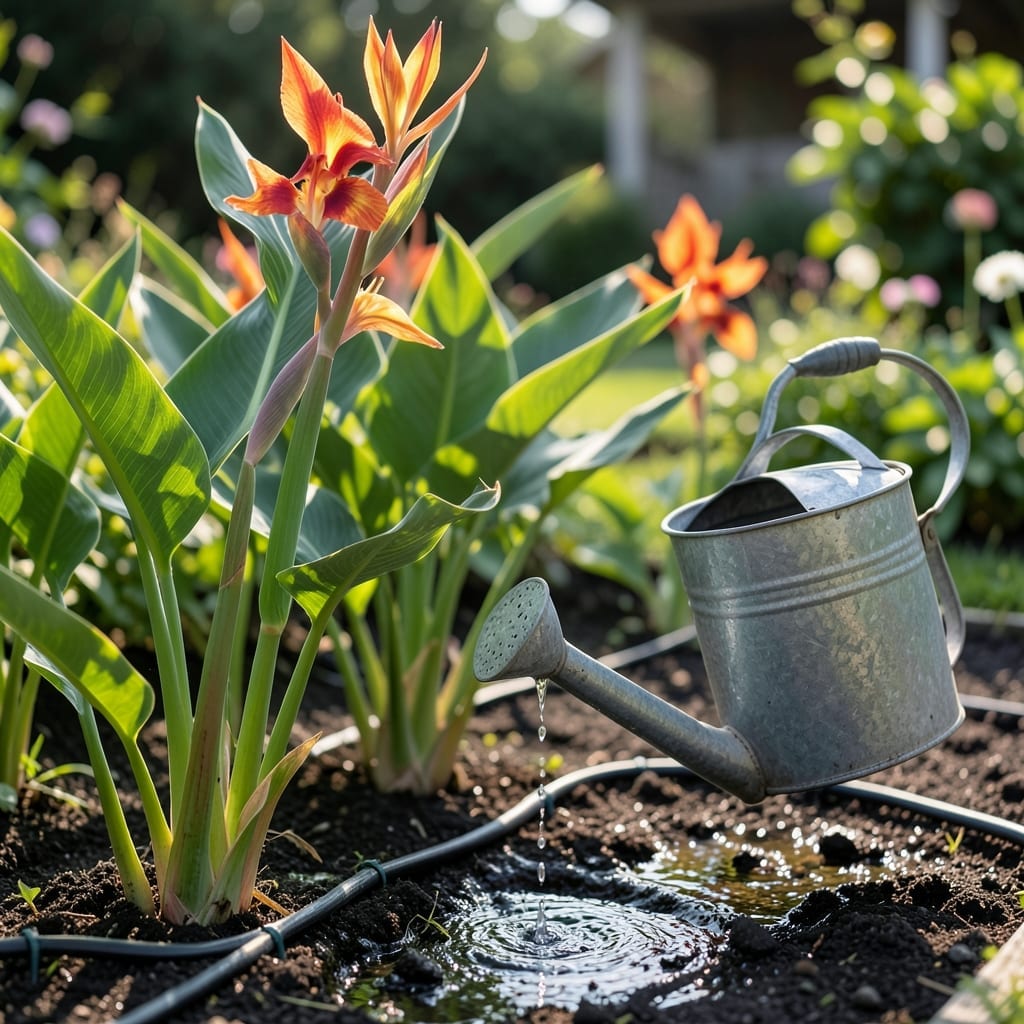
Canna lilies dazzle with vibrant blooms, but their water needs can make or break your garden’s success. Getting this right ensures lush foliage and spectacular flowers.
I’ve seen too many gardens struggle with wilting or yellowing 🌺 Canna Lily plants simply because of inconsistent watering. The good news? It’s easier than you think to master.
Discover how seasonal changes and soil conditions affect their thirst. With the right approach, your cannas will thrive all season long.
I’ve found that Canna lilies thrive when their water needs match the season. In spring, they need consistent moisture to establish strong roots after planting.
As temperatures rise in summer, these tropical beauties demand more frequent watering—often 2-3 times per week—to support their rapid growth and vibrant blooms.
| Season | Water Frequency | Amount | Key Notes |
|---|---|---|---|
| Spring | Weekly | 1-2 inches | Establish root system |
| Summer | 2-3x/week | 1-2 inches | Peak growth & blooming |
| Fall | Weekly | 1 inch | Reduce as growth slows |
| Winter | Monthly | Minimal | Dormancy period |
When fall arrives, I scale back to weekly watering as the plants prepare for dormancy. The cooler temps and reduced growth mean they need less water to stay healthy.
In winter, especially in colder zones, Canna lilies enter dormancy. I water just enough—about once a month—to keep the rhizomes from drying out completely.
Soil type plays a huge role too. Sandy soil drains quickly, so I water more often. With clay soil, I’m careful not to overwater, as it retains moisture longer.
I always check the top inch of soil before watering. If it’s dry, it’s time to water. If it’s still moist, I wait a day or two to avoid waterlogging the roots.
For potted Canna lilies, I water every 5-7 days in summer, as containers dry out faster than garden beds. Mulching helps retain moisture in both pots and ground plantings.
Early morning is my preferred time to water. This allows the foliage to dry during the day, reducing the risk of fungal diseases that thrive in damp conditions.
Consistent moisture is key, but I avoid letting the plants sit in standing water. Well-draining soil prevents root rot, which can be fatal to Canna lilies.
By adjusting my watering routine with the seasons, I’ve kept my cannas thriving year after year with minimal stress 🌺
I’ve learned that Canna lilies show clear signs when their water needs aren’t met. Yellowing leaves often signal overwatering, while drooping foliage can indicate thirst.
Root rot is a serious risk with excess moisture. If the stems turn mushy or black, I know I’ve been too generous with water. On the flip side, crispy leaf edges scream for more hydration.
I watch for brown leaf tips as another underwatering sign. These tropical plants love moisture but hate soggy feet. A finger test in the soil helps me decide when to water.
In extreme cases, root rot from overwatering can kill the plant. I prevent this by planting in well-draining soil and using containers with drainage holes for potted cannas.
For underwatered plants, I revive them with a deep soak, ensuring water reaches the root zone. They usually bounce back within 24-48 hours if caught early.
I’ve found that mulching helps maintain consistent moisture levels. A 2-3 inch layer of organic mulch keeps roots cool and reduces evaporation.
By paying attention to these signs, I keep my cannas healthy and blooming beautifully all season 🌺