
Beautiful Plants For Your Interior
Beautiful Plants For Your Interior
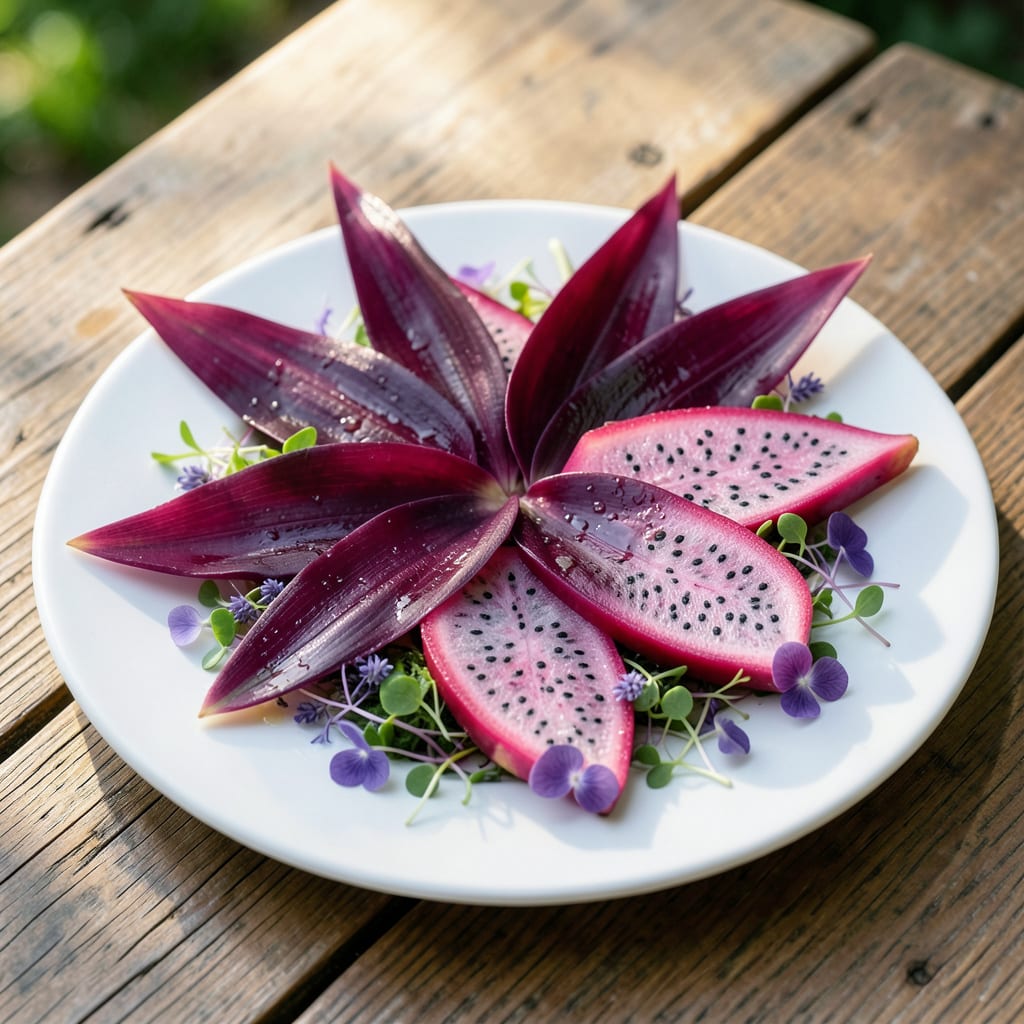
Purple canna leaves stop traffic in any garden. I planted my first ‘Black Knight’ three years ago and still get compliments every summer. The deep burgundy foliage looks almost black in shade, creating drama that flowers alone can’t match.
These plants thrive in full sun and moist soil, growing 4-6 feet tall with minimal fuss. The key is consistent watering—dry spells turn those stunning leaves green. They multiply fast, so one plant becomes a bold border by next season.
You’ll love how the purple intensifies as summer heats up. Pair them with yellow blooms or silver foliage for a show-stopping contrast. Even without flowers, the leaves steal the show from June through frost.
Best part? They’re deer-resistant and practically maintenance-free. Just plant, water, and enjoy the drama.
Canna lilies with striking purple leaves aren’t just a design choice—this color shift often signals something deeper. Here are the most common causes behind the phenomenon:
When soil lacks sufficient phosphorus, canna lilies may develop purple-tinged leaves, especially on the undersides or along veins. This nutrient is vital for energy transfer in plants. A soil test can confirm the deficiency. Amend the soil with bone meal or a balanced fertilizer (e.g., 10-10-10) to restore phosphorus levels.
Cool nights (below 50°F/10°C) or sudden temperature drops can trigger anthocyanin production—the pigment responsible for purple hues. While this is often harmless, prolonged cold can stunt growth. Protect plants with mulch or move potted cannas indoors during chilly spells.
Intense sunlight, particularly in hot climates, may cause leaves to turn purple as a protective response. Anthocyanins act like sunscreen, shielding tissues from UV damage. If leaves also appear scorched, provide partial shade during peak afternoon hours.
Soggy roots restrict nutrient uptake, including phosphorus, leading to purple discoloration. Ensure cannas are planted in well-draining soil and water only when the top 1–2 inches of soil feel dry. Raised beds or containers can help prevent waterlogging.
Some canna cultivars, like ‘Tropicanna’ or ‘Purple Haze’, are bred for naturally purple foliage. If the color is uniform and the plant thrives, it’s likely a cultivar characteristic—no action needed!
If your canna lily’s foliage is turning purple, the issue is usually fixable. Below are the most common causes and their straightforward solutions, plus tips to keep your plants thriving.
Purple leaves often signal a phosphorus shortage. Use a balanced, water-soluble fertilizer (like 10-10-10) or switch to a bloom-boosting formula higher in phosphorus (e.g., 5-10-5). Apply every 2–4 weeks during the growing season. Prevention tip: 💡 Mix compost into the soil at planting time for a slow-release nutrient boost.
While cannas love sun, intense heat can stress leaves, turning them purple. If your area has scorching afternoons, provide dappled shade or move potted cannons to a spot with morning sun and afternoon protection. Prevention tip: ✨ Mulch around the base to retain moisture and cool the roots.
Sudden cold snaps or extreme heat can trigger color changes. Shield plants with frost cloth in early spring/fall, and water deeply during heatwaves to reduce stress. Prevention tip: 🎯 Plant cannas in a microclimate with consistent temperatures, like near a south-facing wall.
Soggy roots limit nutrient uptake, sometimes causing purple hue. Ensure pots have drainage holes, and amend heavy soil with perlite or sand. Water only when the top inch of soil feels dry. Prevention tip: 🌱 Raise beds or containers to avoid waterlogging.
With these tweaks, your canna’s leaves should return to their vibrant green—or stay boldly purple if that’s the look you love!
Yes! Cultivars like ‘Tropicanna’ or ‘Black Knight’ naturally produce deep purple or burgundy foliage. If the color is even and the plant looks healthy, it’s just the variety’s unique trait.
Problematic purple leaves often appear with other symptoms like wilting, yellowing, or stunted growth. Check for stress signs like dry soil, poor drainage, or extreme temperatures.
Use a pot at least 12 inches deep with drainage holes. Fill with well-draining potting mix and water when the top 1-2 inches feel dry. They thrive in containers on patios or balconies.
