
Beautiful Plants For Your Interior
Beautiful Plants For Your Interior
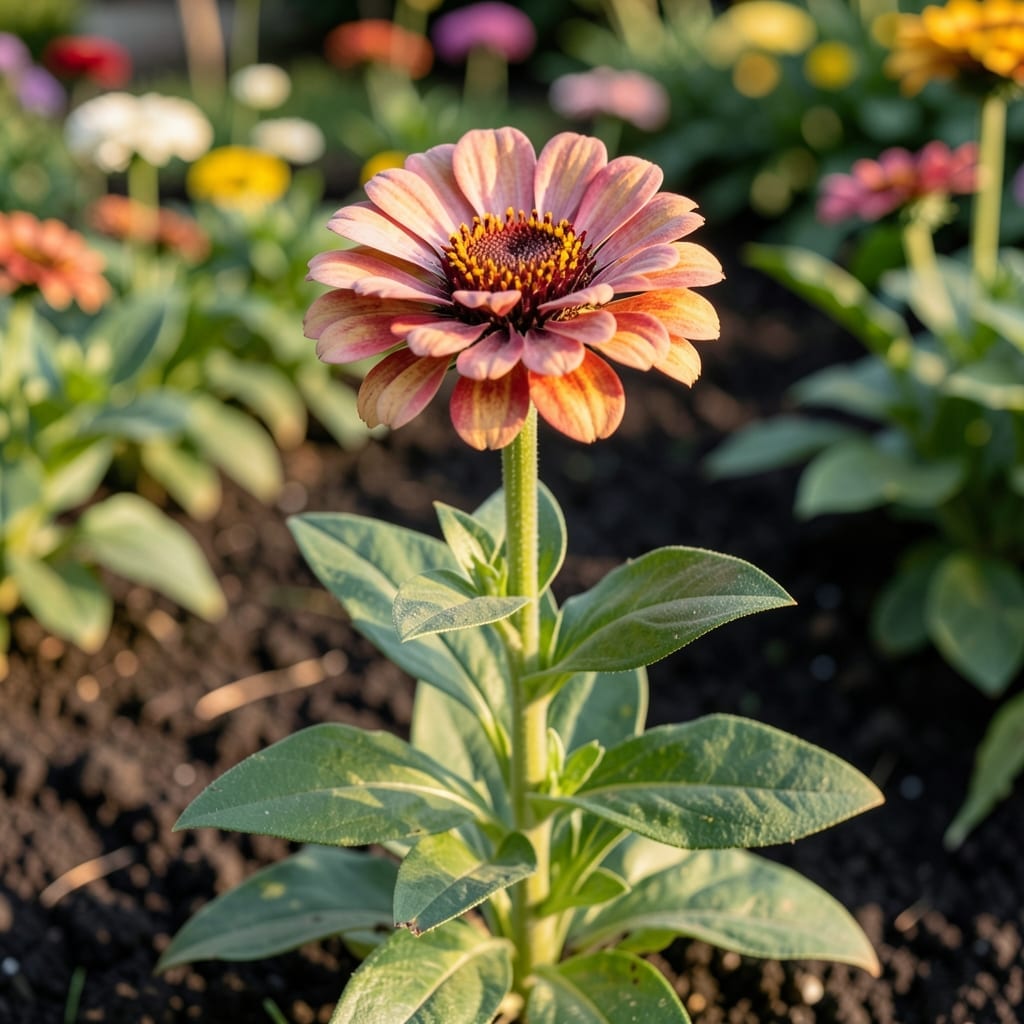
We all know the 🌼 Zinnia as a sun-worshipper that thrives under bright skies. But even these tough flowers have their limits when the sun becomes relentless.
You might notice your blooms looking less vibrant or leaves developing crispy edges. These are your Zinnia’s way of saying it’s getting too much of a good thing.
Recognizing these signs early can prevent permanent damage. I’ll show you exactly what to look for and how to respond effectively.
Discover simple solutions to protect your Zinnias while keeping them flourishing. Your garden will thank you for this balanced approach.

While zinnias love sunlight, even these tough flowers can show sun stress when conditions get extreme. I’ve seen leaf scorch appear as brown, crispy edges on leaves during heatwaves. This happens when transpiration exceeds water uptake, leaving the plant struggling to cool itself.
The first sign I check for is wilting during peak sun, even when soil is moist. Unlike underwatering, sun-wilted zinnias often recover by evening but show permanent damage if the stress continues for days. The flower petals may also fade or bleach in color.
Another red flag is stunted growth. When zinnias get too much intense sun, they focus energy on survival rather than blooming. I noticed this in my garden when a west-facing bed produced smaller flowers than expected. The plants were alive but clearly struggling.
Yellowing leaves can also indicate sun stress, though this symptom overlaps with nutrient deficiencies. To confirm, I look for pattern consistency – sun-related yellowing typically appears on the most exposed leaves first, while nutrient issues show more uniformly.
In extreme cases, you might see blossom drop where flowers fall off before fully opening. This is the plant’s way of conserving resources under stress. I’ve found that afternoon shade can prevent this in particularly hot climates.
It’s important to distinguish sun stress from disease symptoms. Sun damage appears on the uppermost leaves and south-facing sides of plants. Diseases often show as spotted patterns or affect the entire plant more evenly.
I recommend checking your zinnias during the hottest part of the day. If they look visibly distressed between 12 PM and 3 PM, that’s a clear sign they might be getting too much direct sunlight. The recovery test is simple: provide temporary shade and watch for improvement.
Remember that newly planted zinnias are more vulnerable to sun stress. They need time to establish their root systems before handling full sun exposure. I always harden off my seedlings gradually to prevent shock.
In my experience, the most sun-sensitive varieties are the larger, double-flowered types. The Profusion series tends to handle heat better, which is why I plant them in my full-sun borders without worry. Always match your zinnia variety to your garden’s sun exposure for best results.
Regular monitoring is key. I make it a habit to inspect my zinnias weekly for early signs of stress. Catching problems early means I can adjust care before permanent damage occurs. A little attention goes a long way in keeping these colorful bloomers thriving all season. ☀️
While zinnias love sunlight, intense midday heat can scorch their leaves and fade their vibrant blooms. I’ve learned that even 6+ hours of sun can become problematic in extreme heatwaves without intervention. The key is balancing light exposure with protection during peak temperatures.
In my garden, I use shade cloth or plant taller companions like sunflowers to cast dappled light over zinnias during the hottest part of the day. This simple trick prevents leaf burn while still allowing plenty of sun for growth.
Another effective method is mulching heavily around the base of your zinnias. I apply a 2-3 inch layer of organic mulch to keep soil temperatures stable and retain moisture. This is especially crucial in dry climates where the soil heats up quickly.
Adjusting your watering schedule can also make a big difference. I water my zinnias deeply in the early morning to ensure they have enough moisture to withstand the day’s heat. Avoid watering in the evening, as damp foliage overnight can encourage fungal growth.
If you’re in a particularly hot region, consider planting heat-tolerant zinnia varieties like the Profusion series. These cultivars are bred to handle intense sun better than others, making them a low-maintenance choice for sunny gardens.
Finally, keep an eye on the weather forecast. If a heatwave is coming, take extra steps like adding temporary shade or increasing water slightly. With these adjustments, your zinnias will thrive even in the brightest conditions. ☀️