
Beautiful Plants For Your Interior
Beautiful Plants For Your Interior
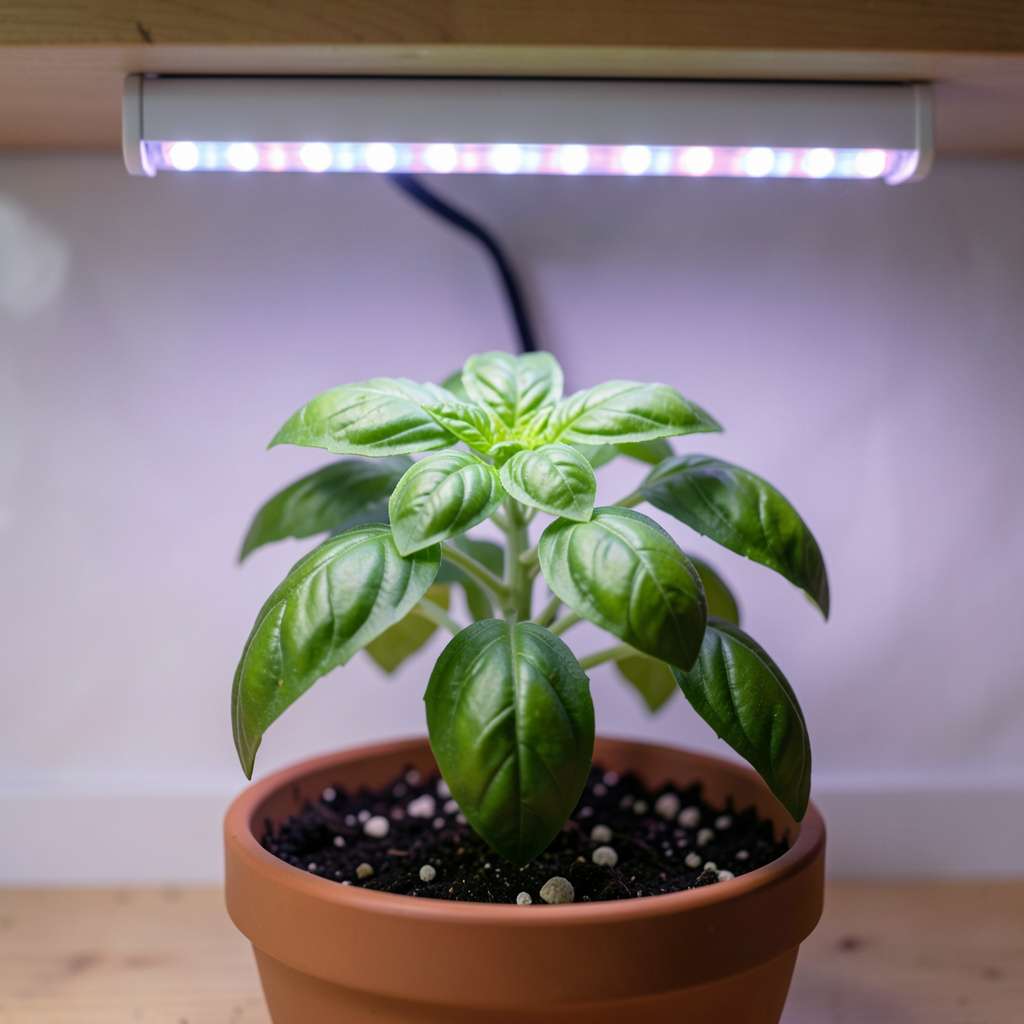
LED strip lights can grow plants effectively if they emit the right spectrum (red/blue wavelengths) and sufficient intensity. They work best for seedlings, herbs, and leafy greens but may struggle with fruiting or flowering plants without proper setup.
I’ve tested these setups firsthand in my own indoor gardens, and what makes the difference is understanding the photosynthetic active radiation (PAR) output. 🌱 Standard white LED strips often lack the concentrated red/blue wavelengths that drive photosynthesis, which is why specialized grow light strips perform better. For example, basil and lettuce thrive under these conditions, while tomato plants typically need supplemental lighting to produce fruit. The key is matching the light’s output to your plants’ specific growth stage—something I learned after watching my first pepper plants stretch weakly toward inadequate lighting.
💡 In This Article
Plants don’t just need light—they need the right kind of light. The magic happens in the 400-700nm wavelength range, where chlorophyll absorbs energy most efficiently. Red light (630-660nm) drives flowering and fruiting, while blue light (430-460nm) promotes leafy growth.
Standard white LED strips often miss these peaks, which is why specialized grow light strips pack more punch. 🌱
Photosynthetic photon flux (PPF) measures how much usable light reaches plants. A decent LED strip should deliver 20-40 μmol/m²/s for seedlings and herbs, while fruiting plants need 40-60 μmol/m²/s. Compare that to sunlight’s 1,000-2,000 μmol/m²/s—you see why distance matters. Placing strips 6-12 inches above plants balances intensity without burning leaves.
I’ve watched basil thrive under these conditions while generic white strips left it leggy and pale.
The difference between white and RGB strips comes down to spectrum control. White strips mimic daylight but often lack deep reds. RGB strips let you dial in exact wavelengths—critical for stages like flowering. Studies from Purdue University show plants under optimized LED spectra grow 20-30% faster than those under white light alone.
That’s why commercial growers use targeted spectra for each crop phase.
Intensity drops dramatically with distance—follow the inverse square law. Doubling the distance from 6 to 12 inches reduces light intensity by 75%. This explains why seedlings stretch toward weak light. For flowering plants, supplement with higher-wattage strips or traditional grow lights.
My pepper plants only set fruit after I added a 10W red LED booster alongside the main strips. ✨
Heat management matters too. Unlike old-school grow lights, quality LED strips stay cool, letting you place them closer. But cheap strips can overheat, shortening their lifespan. Look for strips with aluminum backing or heat sinks. I learned this after burning through three budget strips in one season—they’d dim after just 2-3 months of use.
Here’s what most beginners miss: light duration affects growth as much as spectrum. Plants need 12-16 hours of light daily for vegetative growth, but some (like orchids) prefer 8-10 hours. Timers become essential. I’ve seen spinach bolt prematurely under 18-hour days, while the same setup made my kale flourish.
It’s all about matching the light to the plant’s natural rhythms. 💫
Leafy greens like lettuce, spinach, and herbs (basil, parsley) thrive under LED strips. Seedlings also respond well to the blue-heavy spectrum. Fruiting plants like tomatoes or peppers need supplemental red light to produce well.
Keep strips 6-12 inches above seedlings and leafy greens. For mature plants needing more intensity, reduce to 4-8 inches. Remember: doubling the distance reduces light intensity by 75%. Adjust as plants grow taller.
You can, but results will be limited. White strips lack the concentrated red/blue wavelengths plants need. Specialized grow light strips with 630-660nm red and 430-460nm blue produce 20-30% faster growth in tests.
Most plants need 12-16 hours of light for vegetative growth. Reduce to 12 hours to trigger flowering. Use timers for consistency—too much light can stress plants, while too little causes stretching. My spinach bolted under 18-hour days.
Underestimating light intensity needs. Many use too few strips or place them too far away. Also, cheap strips overheat and fail quickly. Invest in quality strips with heat sinks, and combine cool/warm white for better spectrum coverage.
