
Beautiful Plants For Your Interior
Beautiful Plants For Your Interior
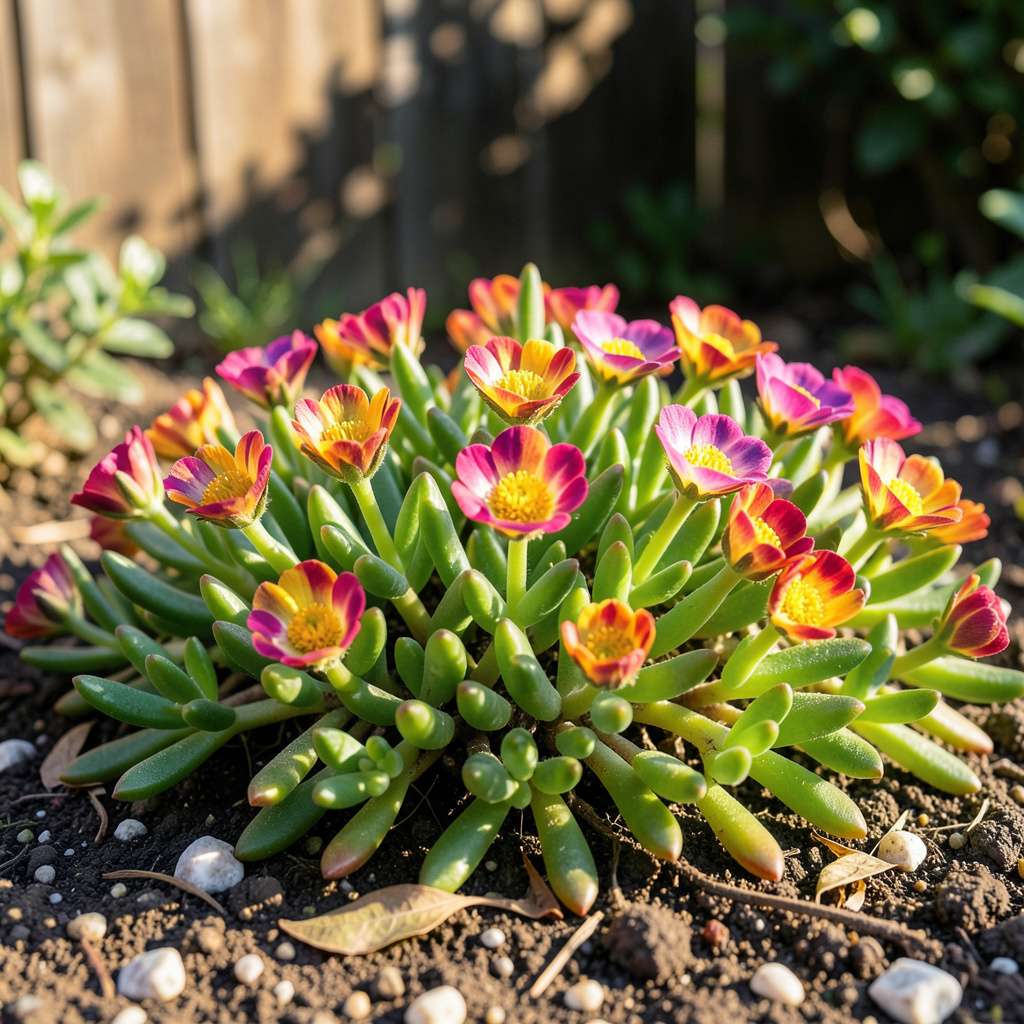
Yes, you can sprinkle Miracle-Gro around plants, but it must be watered in immediately to prevent root burn. Always follow package instructions for proper dosage and application frequency to avoid over-fertilizing.
I’ve found this method works best when you think of the granules as concentrated nutrition packets that need activation. 🌱 The water doesn’t just dissolve them—it helps distribute the nutrients evenly through the soil, preventing those harsh chemical concentrations from sitting directly against tender roots. What many gardeners overlook is that different plant types have varying sensitivities; leafy greens might need half the recommended dose compared to hungry tomato plants. My garden journals show that morning applications with gentle overhead watering yield the most consistent results without stressing plants.
💡 In This Article
Those tiny blue granules contain a carefully balanced formula of nitrogen, phosphorus, and potassium (NPK) in ratios like 24-8-16 for all-purpose blends. The secret lies in their coated design—each granule has a semi-permeable membrane that controls nutrient release over time.
When water hits these granules, it dissolves the outer coating and activates the fertilizer inside, creating a slow-release effect that can last 4-6 weeks. 💧 This gradual release prevents the nutrient spikes that can shock plant roots.
The science gets interesting when we look at soil chemistry. Nitrogen in Miracle-Gro exists primarily as urea and ammonium nitrate, which soil bacteria convert to nitrates that plants absorb. Phosphorus helps with root development and flowering, while potassium strengthens cell walls and disease resistance.
The granules need proper soil moisture to dissolve completely—when left dry on the surface, they can create concentrated salt pockets that draw moisture away from roots through osmosis.
Here’s what happens when you skip the watering step: Undissolved granules sit against roots and create localized areas of extremely high salt concentration. Plant roots naturally seek water through osmosis, but in this case, water gets pulled from the roots into the soil to dilute the fertilizer salts.
This causes root burn that appears as brown, crispy root tips within 24-48 hours. 🌱 I’ve seen this firsthand with tomato seedlings that wilted dramatically after dry application.
Temperature and soil type dramatically affect performance. In sandy soils, nutrients leach faster, requiring more frequent applications. Clay soils hold nutrients longer but may need more thorough watering to prevent surface buildup. The ideal soil temperature for nutrient uptake is between 60-75°F—below 50°F, microbial activity slows, and the fertilizer becomes less effective.
This explains why spring and fall applications often yield better results than summer feedings during heatwaves.
What most gardeners don’t realize is that Miracle-Gro granules also contain micronutrients like iron, manganese, and zinc in chelated forms. These micronutrients become available at different rates based on soil pH. The granules work best in slightly acidic to neutral soils (pH 6.0-7.0).
In alkaline soils above pH 7.5, some nutrients like iron become less available, which is why you might see yellowing leaves (chlorosis) even after fertilizing in certain regions. ✨
The granule size matters too—Miracle-Gro’s particles are typically 1-2mm in diameter, designed to distribute evenly when sprinkled. Larger granules would release nutrients too slowly, while powdered forms could dissolve too quickly and cause root burn.
The uniform size ensures consistent coverage when applied at the recommended rate of about 1 tablespoon per square foot for most garden plants. For container plants, I’ve found that 1/2 teaspoon per gallon of soil volume works well without risking over-fertilization.
Water immediately after sprinkling to dissolve granules and prevent root burn. Use enough water to moisten the top 6 inches of soil—about 1 inch of water for garden beds. Delaying watering even by 30 minutes risks salt buildup.
Direct contact can cause chemical burns, appearing as brown, crispy spots within 24-48 hours. Always maintain a 2-3 inch buffer zone around stems. For seedlings, increase this to 4 inches for extra protection.
Most plants tolerate it well, but delicate herbs like basil and young seedlings need half-strength applications. Avoid using regular formulas on acid-loving plants like blueberries—opt for their specific Miracle-Gro blend instead. Always check the label for exceptions.
Standard granules last 4-6 weeks in garden soil. Container plants may need applications every 3-4 weeks due to faster nutrient depletion. Over-fertilizing signs include yellowing leaves or white crust on soil—cut back if these appear.
Yes, when used as directed. Stop applications 2 weeks before harvest for leafy greens and 1 week for fruiting plants like tomatoes. Always wash produce thoroughly before eating, even with organic fertilizers.
