
Beautiful Plants For Your Interior
Beautiful Plants For Your Interior
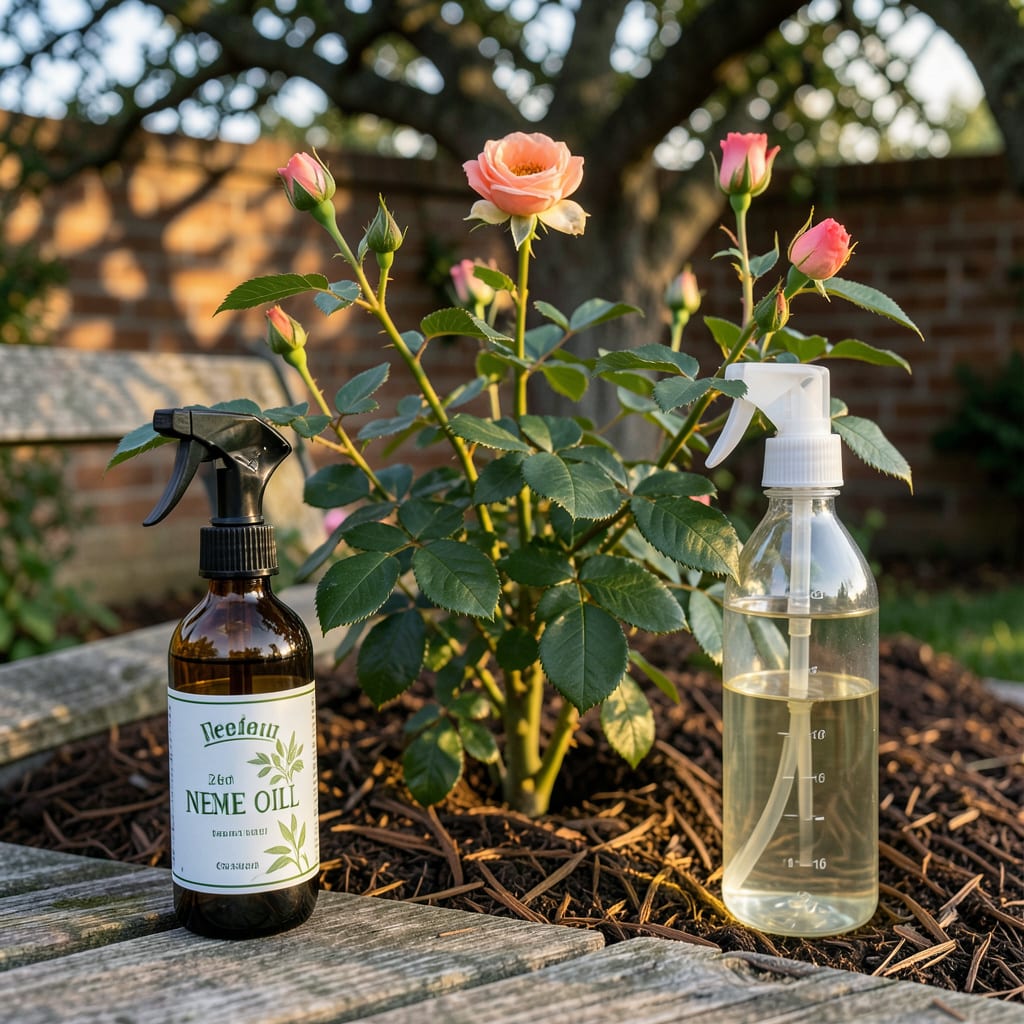
Spraying neem oil directly on buds is risky during flowering—it can leave residue, alter taste, and harm beneficial pollinators. Use only diluted neem (0.5-1% concentration) in early growth stages, avoiding direct application once buds form.
I always recommend caution with neem oil during the flowering phase because trichomes—the tiny resin glands on buds—act like sponges for oils. 🔥 This means any residue lingers longer than you might expect, potentially affecting flavor and aroma. What many growers don’t realize is that neem’s azadirachtin compound can persist for weeks, even after visible traces disappear. The key is timing: apply preventative treatments 2-3 weeks before flowering begins to avoid these complications entirely.
💡 In This Article
Neem oil’s active compound, azadirachtin, works by disrupting insect feeding and reproduction—but it doesn’t stop there. When applied to flowering plants, this compound gets absorbed through stomata and transported via the plant’s vascular system. The problem arises when buds develop: their dense trichomes (resin glands) trap oil particles like microscopic sponges.
These glands are designed to produce cannabinoids and terpenes, not process horticultural oils.
During vegetative growth, plants metabolize neem oil relatively quickly—typically within 7-10 days. But flowering changes everything. The plant’s energy shifts to bud production, slowing its ability to break down foreign compounds. Studies show azadirachtin residues can persist for 3-4 weeks in dense buds, compared to just 5-7 days on leaves.
This lingering effect creates that unpleasant “chemical” aftertaste many growers report.
The absorption difference comes down to plant physiology. Vegetative plants have higher metabolic rates and more stomata (pores) on leaves for gas exchange. Flowering plants redirect resources to bud development, reducing their capacity to process foliar applications.
🌱 I’ve seen cases where neem applied at 0.5% concentration during early flower still left detectable residues at harvest—even after proper flushing.
Systemic application (soil drench) presents a safer alternative because it allows the plant to absorb azadirachtin through roots before flowering begins. This method bypasses the bud surface entirely while still providing protection. The key window is 2-3 weeks pre-flower, giving the plant time to process the compound before trichome development accelerates.
Foliar sprays after this point risk coating the very structures you want to protect.
Temperature and humidity compound the issue. In warm, humid environments (75°F+ with 60%+ humidity), neem oil can actually thicken on bud surfaces, creating a sticky film that attracts dust and debris. This not only affects appearance but can create microenvironments for mold development.
The oil’s hydrophobic nature also makes it difficult to rinse completely, even with thorough flushing protocols.
Consider this comparison: applying neem to leaves is like wiping oil on your skin—it eventually absorbs or washes off. Applying it to buds is like pouring oil into a shag carpet—the fibers (trichomes) hold onto it tenaciously.
✨ That’s why professional growers often switch to alternative treatments like potassium bicarbonate or beneficial microbes once flowering begins, reserving neem for early prevention only.
Neem oil residue on buds can create an unpleasant chemical taste and aroma in the final product. The dense trichomes trap oil particles, which persist even after flushing. This is why most experts recommend stopping foliar applications 2-3 weeks before flowering begins.
Yes, but only as a soil drench—not as a foliar spray. Mix 1 tablespoon neem oil per gallon of water and apply to the soil. This allows the plant to absorb azadirachtin systemically without coating buds. Always water thoroughly afterward to distribute the solution evenly.
Stop all neem applications at least 4 weeks before harvest to ensure complete breakdown of residues. Even systemic applications need this buffer period. For heavy infestations, consider switching to safer alternatives like potassium bicarbonate during the final flowering stages.
Neem oil is non-selective—it harms beneficial predators like ladybugs and lacewings just as effectively as pests. If you must spray during flowering, do it in the early morning when pollinators are less active, and avoid direct bud contact.
Lost Coast Plant Therapy or potassium bicarbonate are top choices. Both provide protection without residue risks. For soil pests, beneficial nematodes work exceptionally well when applied as a drench every 2-3 weeks. Always test new products on a small area first.
