
Beautiful Plants For Your Interior
Beautiful Plants For Your Interior
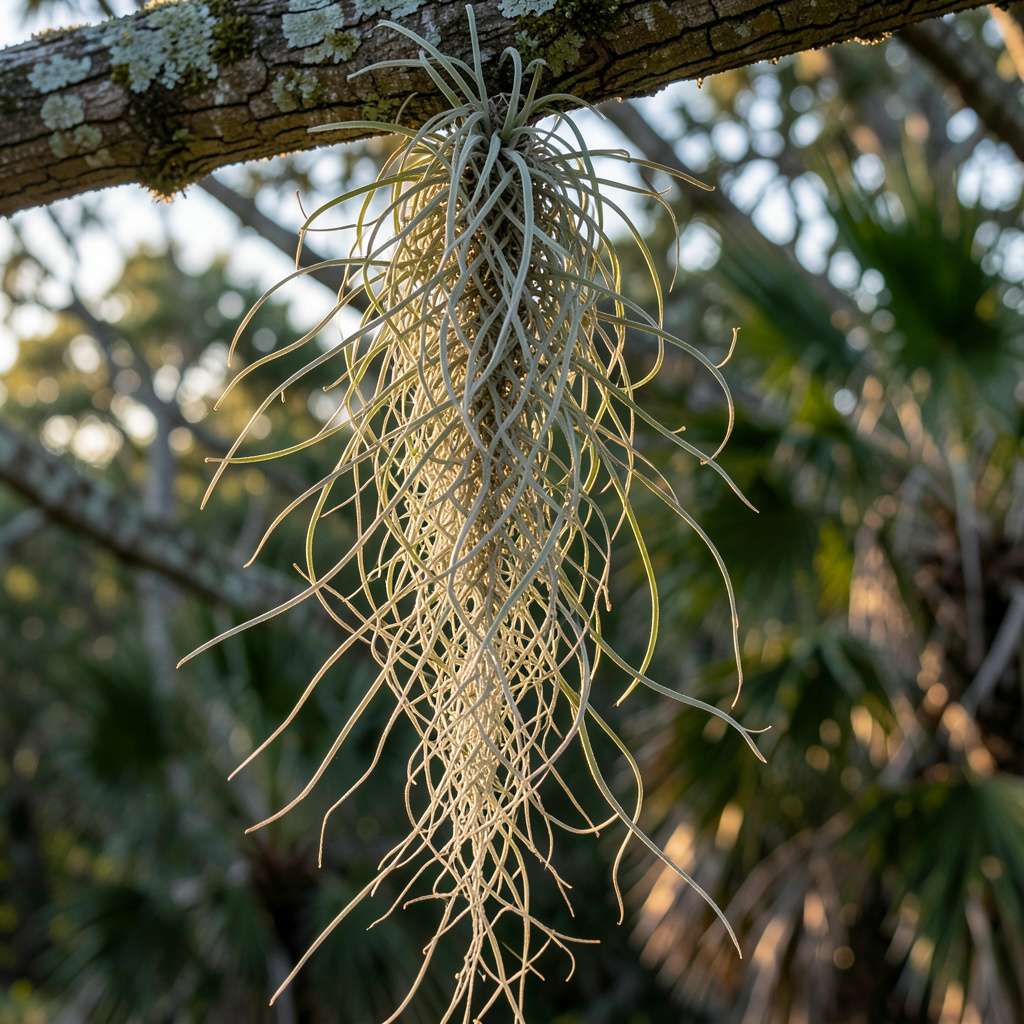
Yes, air plants (Tillandsia) can be propagated easily through offsets called pups that grow from the base of the mother plant after flowering. Separate them when they reach about one-third the parent’s size for best results.
This natural reproduction process is one of my favorite things about air plants—it’s like getting free baby plants with minimal effort. 🌱 The mother plant actually puts all its energy into producing these pups after blooming, which is nature’s way of ensuring the next generation. I’ve found that pups separated too early often struggle, while those left attached too long can drain the parent’s resources. The sweet spot is when they’re about one-third the size of the mother, with their own developing leaves.
What’s fascinating is how these pups inherit the parent’s characteristics while adapting to their environment. In my experience, they thrive best when given bright, indirect light and weekly misting after separation. The process feels almost magical—watching a single plant multiply into a whole collection over time! ✨
💡 In This Article
The propagation process begins when an air plant reaches maturity and produces its first bloom. This flowering phase triggers a biological shift where the mother plant redirects its energy from growth to reproduction. After blooming, the plant starts developing offsets—called pups—at its base.
These pups form from meristematic tissue, which contains undifferentiated cells capable of becoming new plants. 🌱
What’s fascinating is how the mother plant essentially “sacrifices” itself to nourish these pups. The parent gradually transfers nutrients and moisture through its vascular system, allowing the pups to grow while the mother slowly declines. This process typically takes 3-6 months, during which the pups develop their own root systems and leaves.
The ideal separation time is when pups reach one-third to half the mother’s size—about 2-4 inches tall for most Tillandsia species.
Environmental factors play a crucial role in pup development. Bright, indirect light (10-12 hours daily) stimulates healthy growth, while humidity levels above 50% prevent dehydration during this vulnerable stage. I’ve noticed pups grow faster in terrariums or bathrooms where humidity naturally stays higher.
The mother plant’s health directly impacts pup viability—well-nourished plants produce stronger, more vigorous offspring.
The separation process requires careful timing. Pups removed too early lack sufficient root development, while those left too long may drain the mother’s resources completely. A well-timed separation ensures both mother and pup can thrive independently.
The best indicator is when the pup develops its own distinct leaf structure and can maintain upright posture without the mother’s support.
After separation, pups need consistent moisture and airflow to establish themselves. I recommend misting 2-3 times weekly and providing gentle air circulation to prevent rot. Unlike mature air plants, young pups benefit from slightly more frequent watering as their root systems develop.
Within 6-12 months, these pups will mature into full-sized plants ready to produce their own blooms and continue the cycle. ✨
One remarkable aspect of air plant propagation is how pups inherit the parent’s characteristics while adapting to their environment. I’ve observed that pups from the same mother plant can develop slightly different leaf shapes or colorations based on their specific growing conditions.
This natural variation makes propagating air plants particularly rewarding for collectors who enjoy watching each generation develop its unique traits.
Pups typically start forming 2-4 months after the mother plant finishes blooming. The exact timing depends on the species and growing conditions. I’ve noticed that plants with bright, indirect light and good airflow tend to produce pups faster.
Provide optimal care before and after flowering: weekly misting, 50%+ humidity, and 10-12 hours of indirect light daily. Healthy, well-nourished plants often produce 2-4 pups per bloom cycle. Avoid fertilizing right before flowering, as this can reduce pup production.
While possible, it’s extremely difficult and time-consuming. Seed propagation requires sterile conditions, consistent 70°F+ temperatures, and can take 2-5 years to mature. Pups are much easier and faster—most growers prefer this natural method. The success rate with seeds is less than 10% for beginners.
Brown tips usually indicate underwatering or too much direct sun. Pups need more frequent misting (3-4 times weekly) than mature plants. Move them to filtered light and increase humidity. Yellowing bases suggest overwatering—let them dry completely between mistings.
Most air plants produce pups only once in their lifetime, after their single flowering cycle. However, some larger species like Tillandsia xerographica may produce a second set if conditions are perfect. The mother plant usually declines after pup production, making each generation special.
